|
| Haddon Hall |
Haddon Hall is in Bakewell, Derbyshire.
History
 |
| Haddon Hall overlooking the River Wye |
Haddon Hall was acquired by the Vernon family through a marriage settlement in 1180 and passed to the last Vernon owner’s son-in-law, Sir John Manners, in 1565. Most of the existing house was built during this long period of ownership by the Vernon family.
Sir John Manner’s grandson, another John Manners (1604-1679), became 8th Earl of Rutland and inherited Belvoir Castle on the death of his cousin in 1642. His son, yet another John (1638-1711), was made 1st Duke of Rutland and Marquess of Granby in 1703 and he abandoned Haddon Hall for Belvoir Castle.
Sir John Manner’s grandson, another John Manners (1604-1679), became 8th Earl of Rutland and inherited Belvoir Castle on the death of his cousin in 1642. His son, yet another John (1638-1711), was made 1st Duke of Rutland and Marquess of Granby in 1703 and he abandoned Haddon Hall for Belvoir Castle.
 |
| Belvoir Castle from The History of Belvoir Castle by Rev I Eller (1841) |
The Hall was restored by the 9th Duke and Duchess of Rutland in the early 20th century and is now home to their grandson, Lord Edward Manners.
Georgian connection
During the Georgian period, Haddon Hall was owned by successive Dukes of Rutland:
- John Manners, 2nd Duke of Rutland (1676-1721).
- John Manners, 3rd Duke of Rutland (1696-1779) - one of the founding governors of the Foundling Hospital.1 He married the heiress Bridget Sutton. Two of his sons, Lord Robert (1722-1762) and Lord George (1723-1783) adopted the name Manners-Sutton on inheriting from their maternal grandfather.
- Charles Manners, 4th Duke of Rutland (1754-1787) - married Lady Mary Isabella Somerset (1756-1831), a renowned beauty and political hostess.
- John Henry Manners, 5th Duke of Rutland (1778-1857) - bred racehorses.
 |
| Entrance to Haddon Hall |
Although the Dukes lived at Belvoir Castle in Leicestershire and Haddon Hall was left uninhabited, people still visited the Hall.
Horace Walpole visited Haddon Hall in 1760. In a letter to George Montagu dated 1 September 1760, he wrote:
I saw Haddon, an abandoned old castle of the Rutlands, in a romantic situation, but which never could have composed a tolerable dwelling.2
 |
| Haddon Hall from Adam's guidebook (1852) |
A description of various places, including Haddon Hall, was published by Adam in 1852:
...at a low price, to suit the general visitor”. The guide described Haddon as: “A most romantic Old Hall of the Elizabethan period, once the residence of Sir George Vernon, the ‘King of the Peak’, uninhabited, but still kept in complete repair – Fine old state bed – Tapestry or Arras – Pictures – Carvings in wood – Garden – Terraces, &c.3
 |
| Haddon Hall |
Adam claimed that the Hall had “assisted the imagination of Mrs. Radcliffe in its wildest flights, when writing The Mysteries of Udolpho".
During the middle of the 19th century, Samuel Rayner and his family from Matlock Bath frequently painted the Hall.
During the middle of the 19th century, Samuel Rayner and his family from Matlock Bath frequently painted the Hall.
 |
| View of Haddon Hall from outside The Chapel |
Haddon Hall is a popular film set. It has repeatedly been used as the location for Thornfield Hall in film and TV productions of Charlotte Brontë’s Jane Eyre. Although it is unlikely that Charlotte ever visited, the fact that it existed in an eerie and interesting state during her lifetime makes it at least possible that she could have based Thornfield on Haddon Hall.
Haddon Hall was also used as Prince Humperdinck’s castle in The Princess Bride (1987)- one of my favourite films. Other film and TV credits include the BBC's dramatisation of CS Lewis' The Silver Chair (1990) and the Keira Knightley film of Pride and Prejudice (2005).
What can you see today?
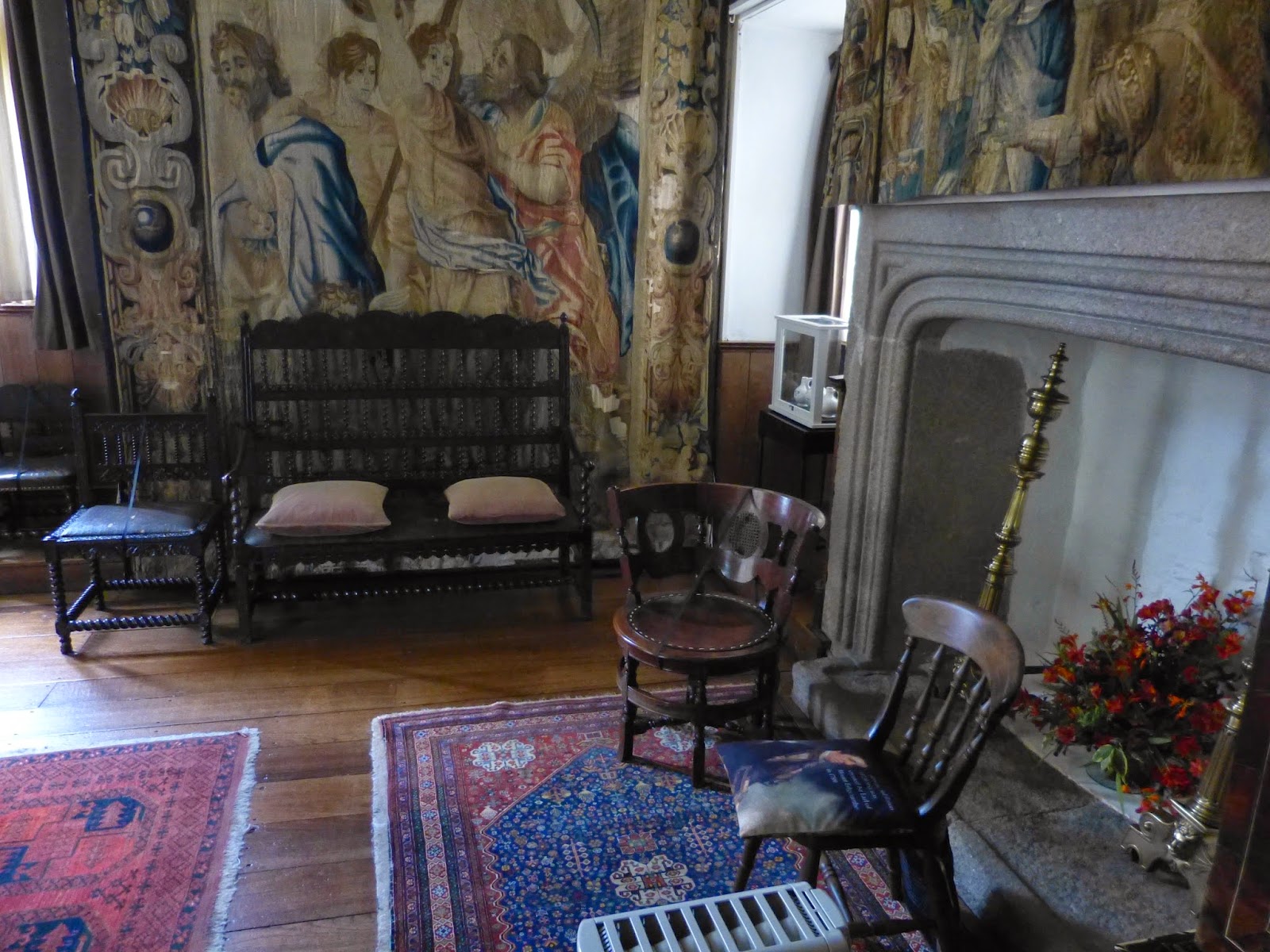
• The Long Gallery
Haddon Hall was also used as Prince Humperdinck’s castle in The Princess Bride (1987)- one of my favourite films. Other film and TV credits include the BBC's dramatisation of CS Lewis' The Silver Chair (1990) and the Keira Knightley film of Pride and Prejudice (2005).
What can you see today?
• The Long Gallery
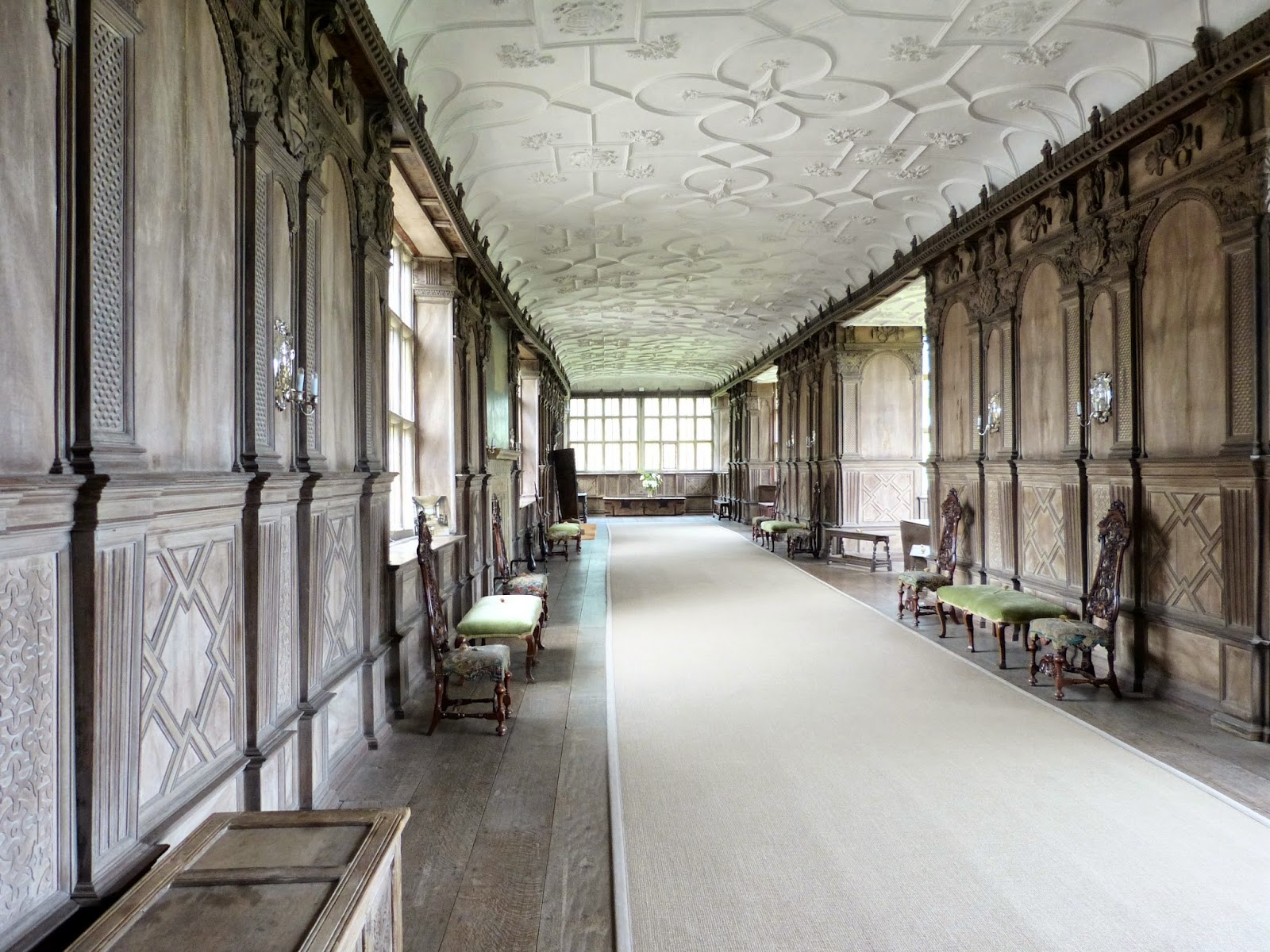 |
| The Long Galllery, Haddon Hall |
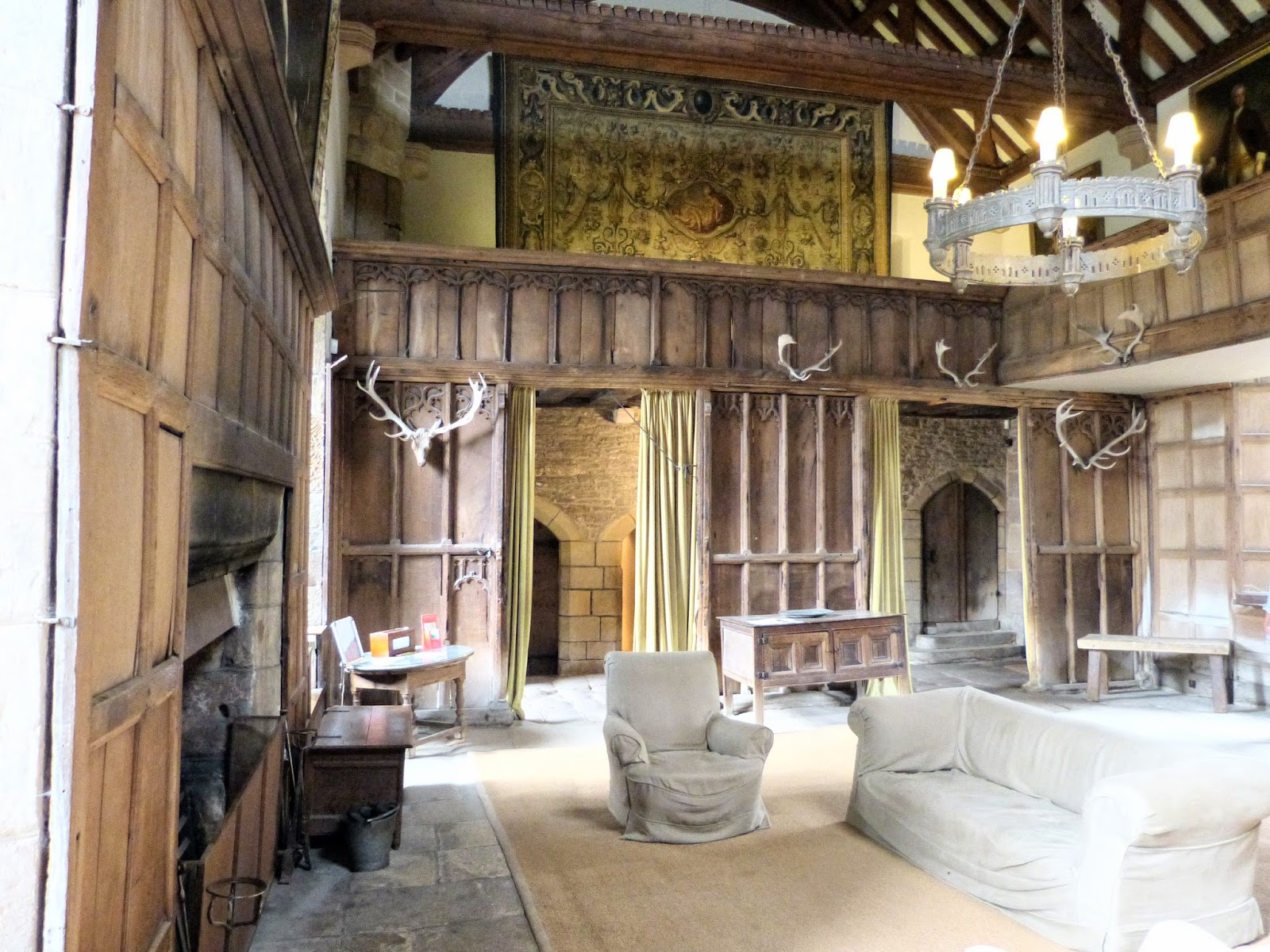 |
| The Banqueting Hall, Haddon Hall |
 |
| The Banqueting Hall, Haddon Hall |
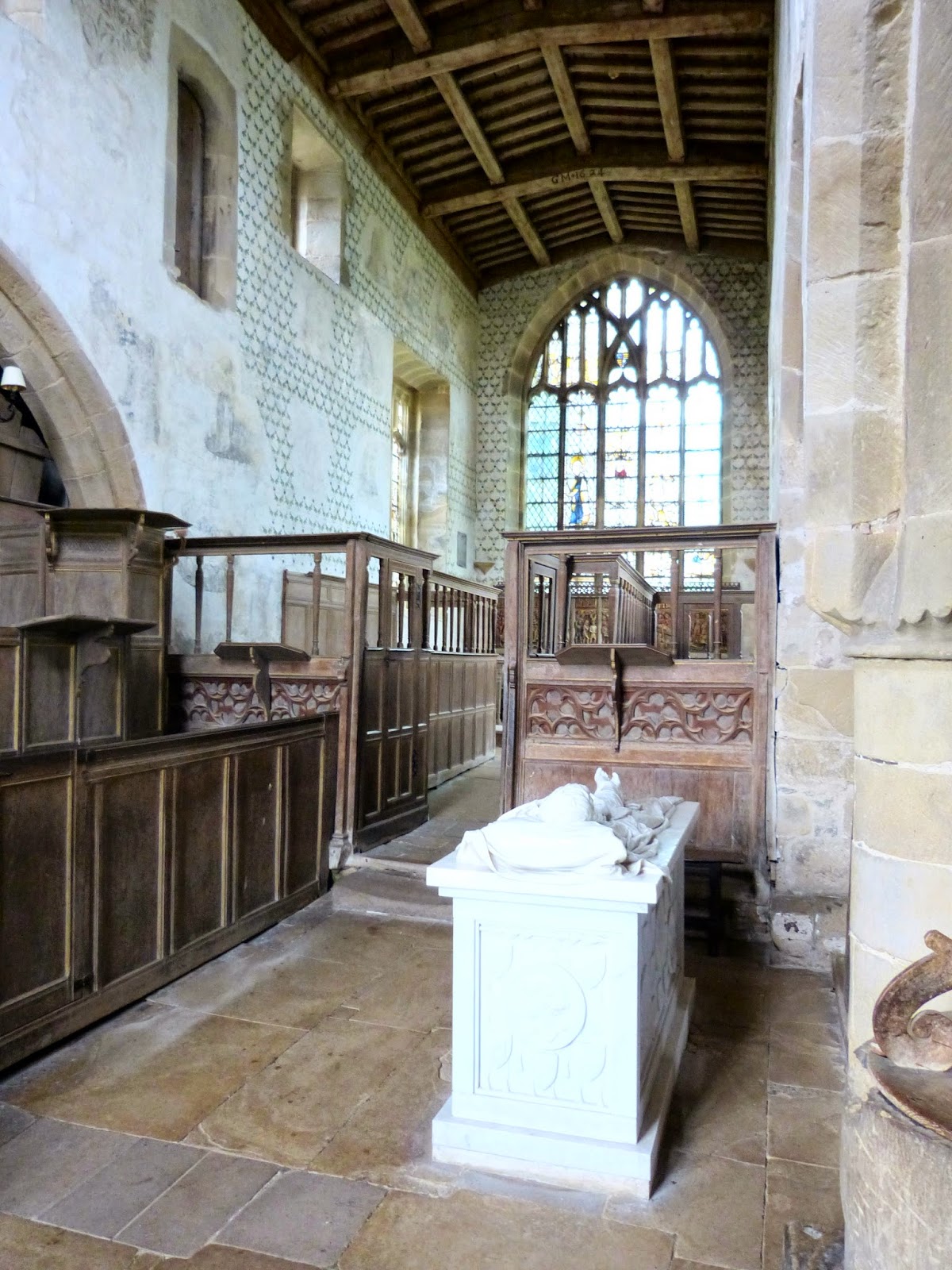 |
| The Chapel, Haddon Hall |
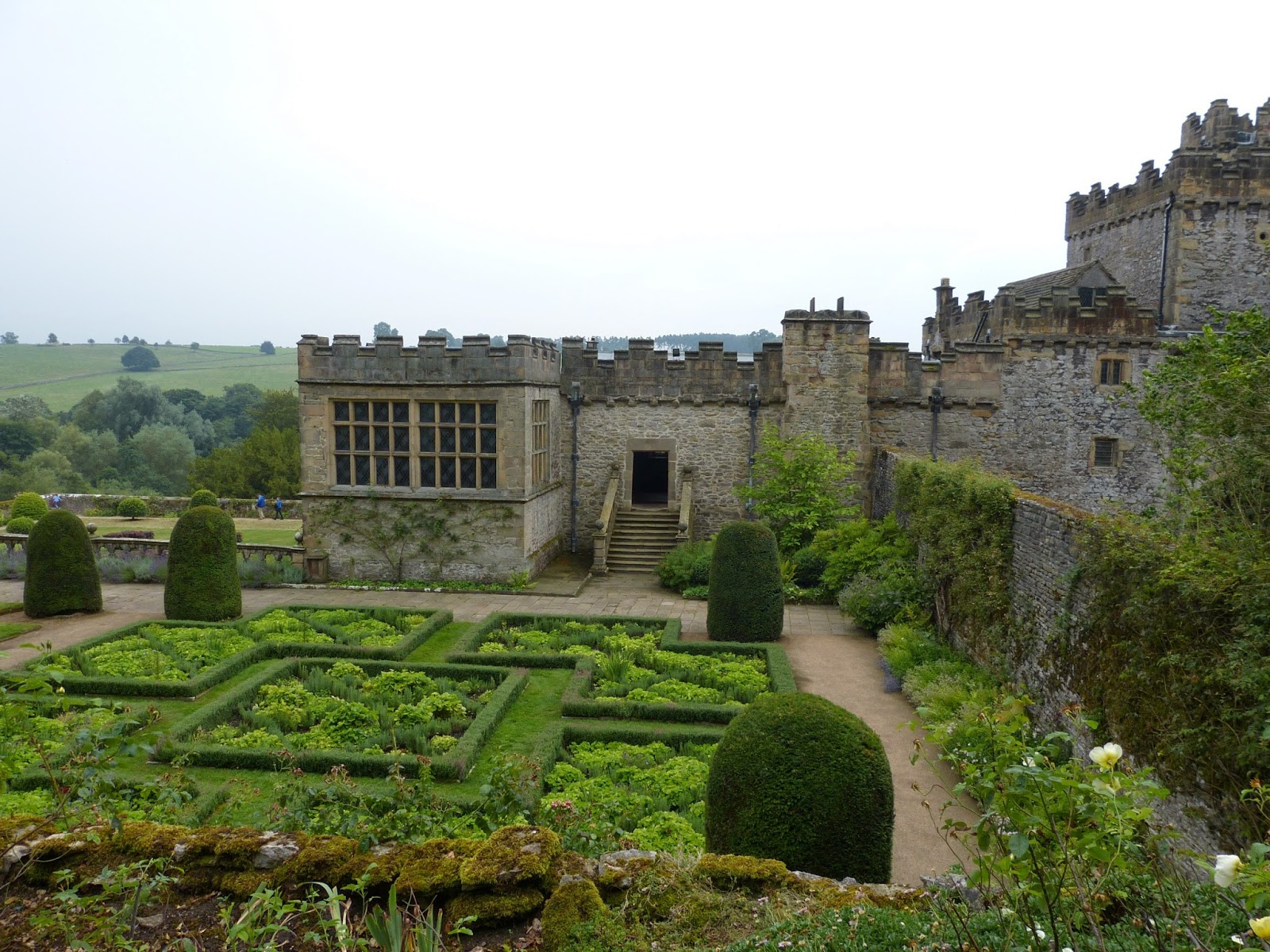 |
| Haddon Hall from the gardens |
 |
| Haddon Hall from the gardens |
Notes
1. Royal Charter establishing an hospital for the maintenance and education of exposed and deserted young children (1739).
2. Walpole, Horace, Letters of Horace Walpole, selected and edited by Charles Duke Yonge Vol I 1736-1764 (1890.)
3. Adam, W, Description of Buxton, Chatsworth, Bakewell, Haddon Hall, and Castleton: with a tabular view of the principal drives and objects of interest throughout the county: abridged from Adam's Gem of the Peak (1852).
2. Walpole, Horace, Letters of Horace Walpole, selected and edited by Charles Duke Yonge Vol I 1736-1764 (1890.)
3. Adam, W, Description of Buxton, Chatsworth, Bakewell, Haddon Hall, and Castleton: with a tabular view of the principal drives and objects of interest throughout the county: abridged from Adam's Gem of the Peak (1852).
Sources used include:
Adam, W, Description of Buxton, Chatsworth, Bakewell, Haddon Hall, and Castleton: with a tabular view of the principal drives and objects of interest throughout the county: abridged from Adam's Gem of the Peak (1852)
Cleary, Bryan, Haddon Hall (2014)
Eller, Irvin, The History of Belvoir Castle, from the Norman conquest to the nineteenth century (1841)
Adam, W, Description of Buxton, Chatsworth, Bakewell, Haddon Hall, and Castleton: with a tabular view of the principal drives and objects of interest throughout the county: abridged from Adam's Gem of the Peak (1852)
Cleary, Bryan, Haddon Hall (2014)
Eller, Irvin, The History of Belvoir Castle, from the Norman conquest to the nineteenth century (1841)
Royal Charter establishing an hospital for the maintenance and education of exposed and deserted young children (1739)
Walpole, Horace, Letters of Horace Walpole, selected and edited by Charles Duke Yonge Vol I 1736-1764 (1890)
Walpole, Horace, Letters of Horace Walpole, selected and edited by Charles Duke Yonge Vol I 1736-1764 (1890)
All photographs © RegencyHistory.net