Search this blog

Showing posts with label Saltram. Show all posts

Tuesday, 2 September 2014

Short videos filmed at Georgian locations

Here's a list of some short videos on a Georgian theme.

Instagram (between 6 and 15 seconds long)

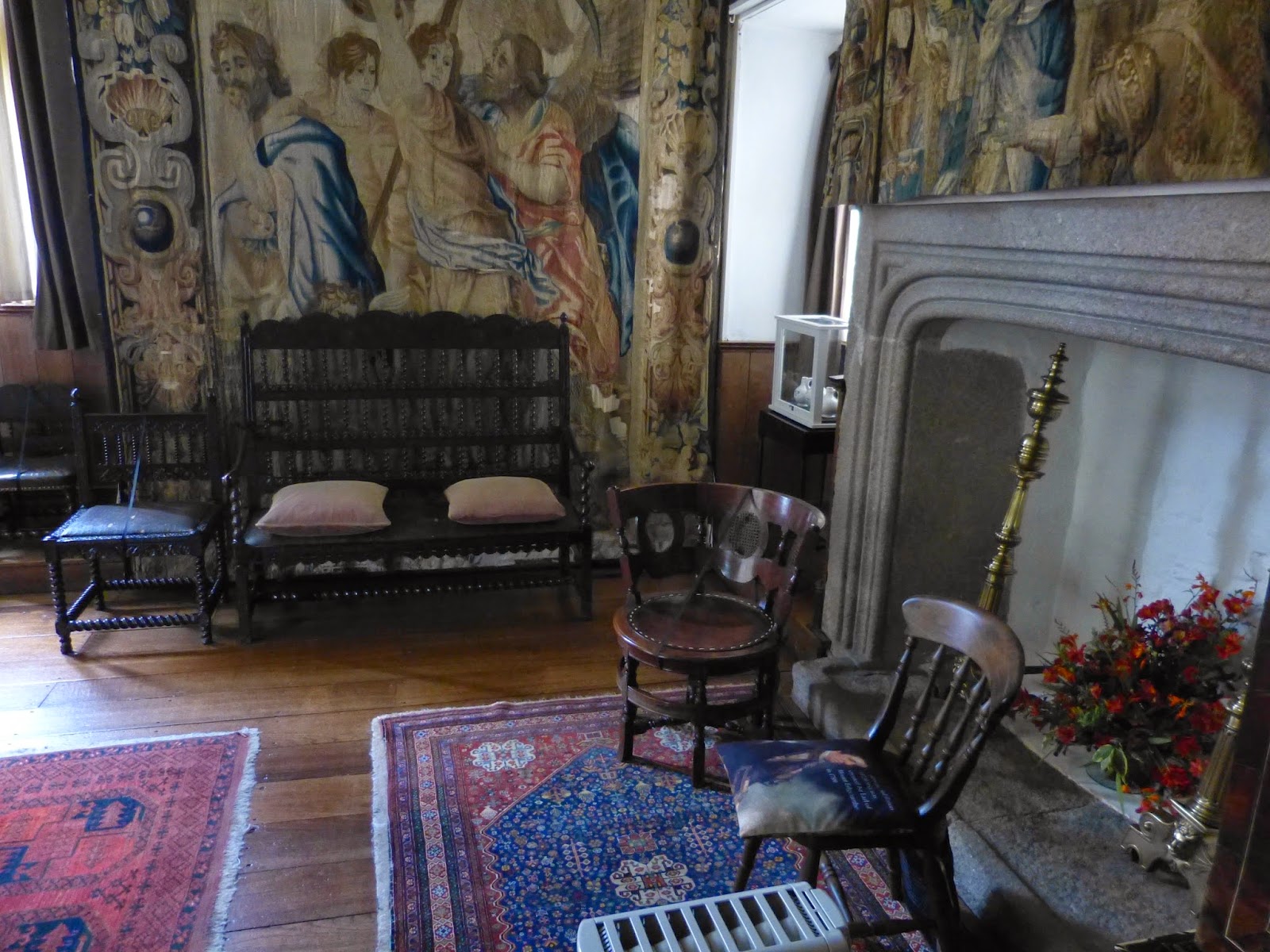
The room in Cotehele, Cornwall, where George III and Queen Charlotte took breakfast in 1789. Did they sit on the embroidered cushions?

(Rachel says: Sadly, no. The royals sat on separate chairs which  later had to be removed as they were getting damaged from too many people sitting on them!) Click to view the video.

Read about Cotehele here.

The Old Drawing Room, Cotehele
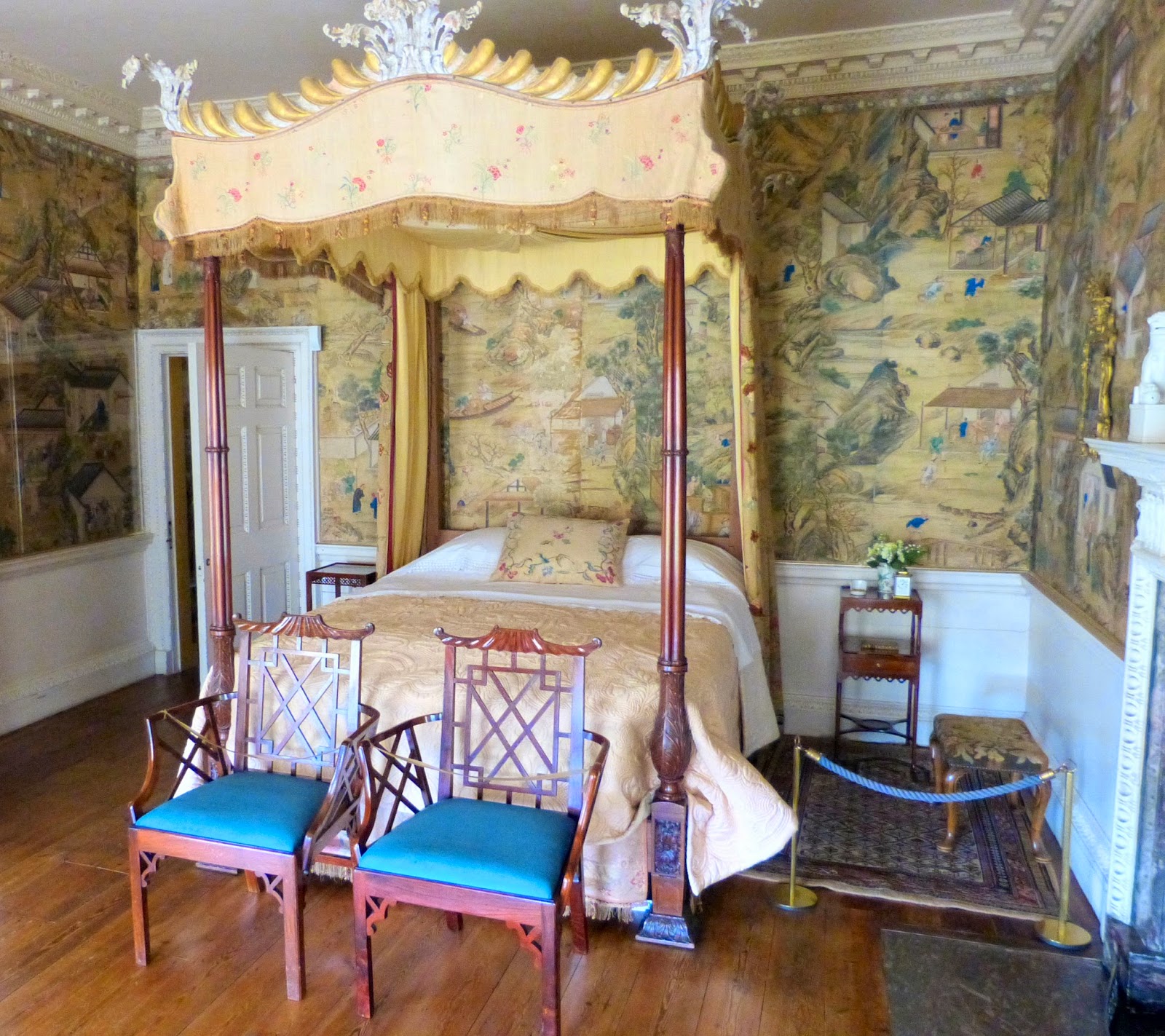
A bedroom in Saltram House, Devon, decorated in eighteenth century Chinese wallpaper. Click to view the video.

Vine (a fleeting six seconds long)

Saltram House, Devon 

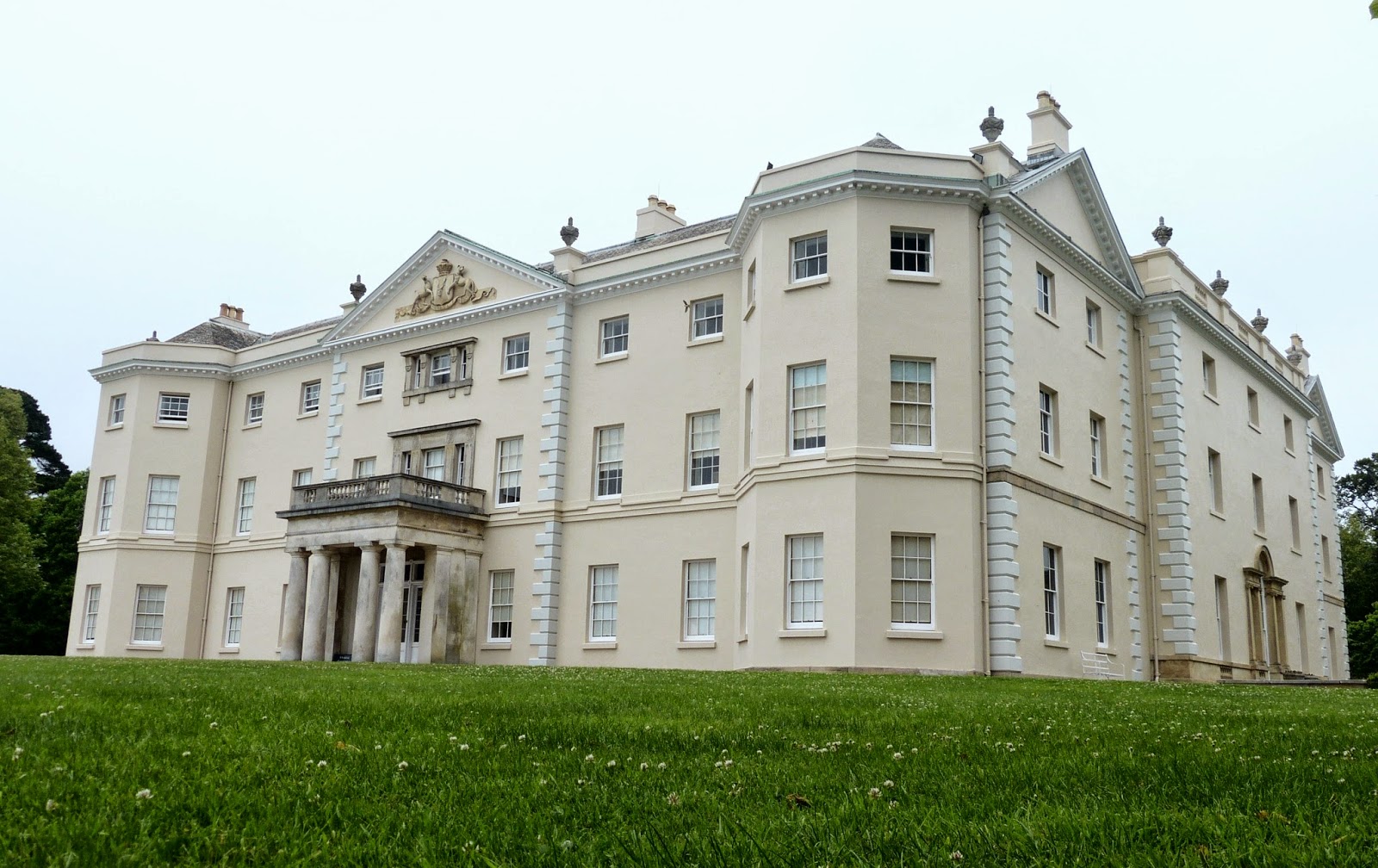
Saltram
Saltram House
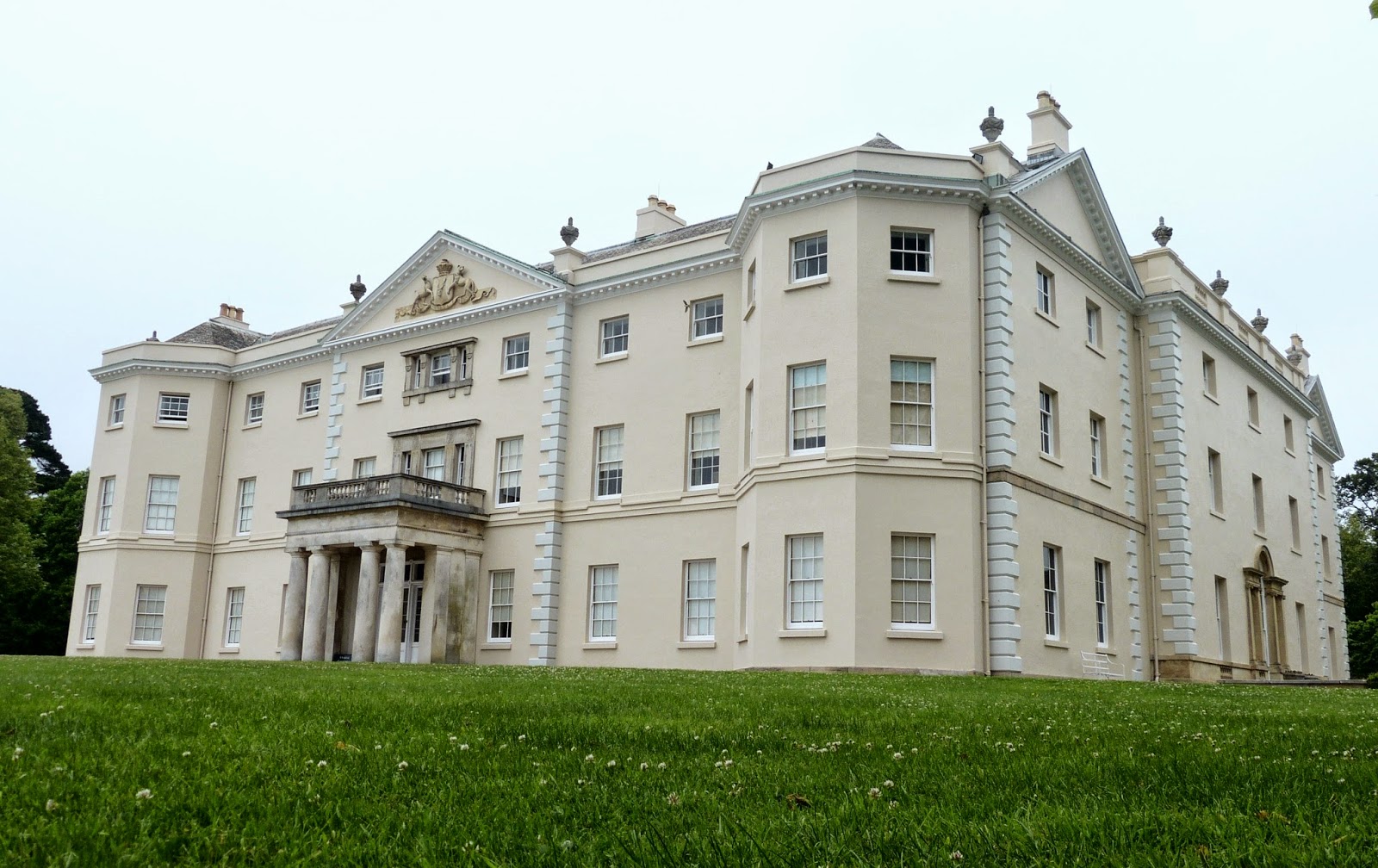
The frontage of Saltram House

Chinese wallpaper

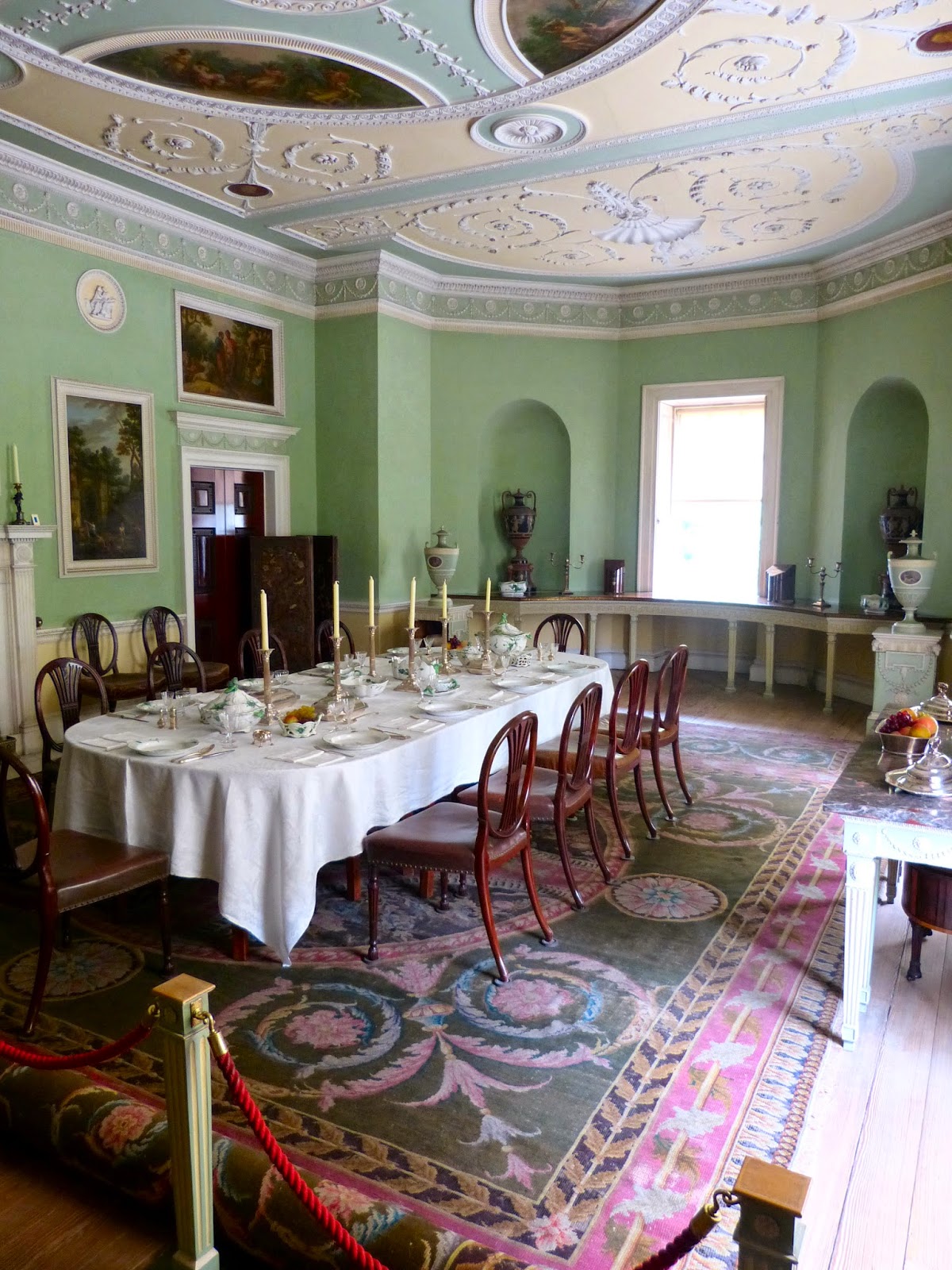
The dining room

Read about Saltram here.

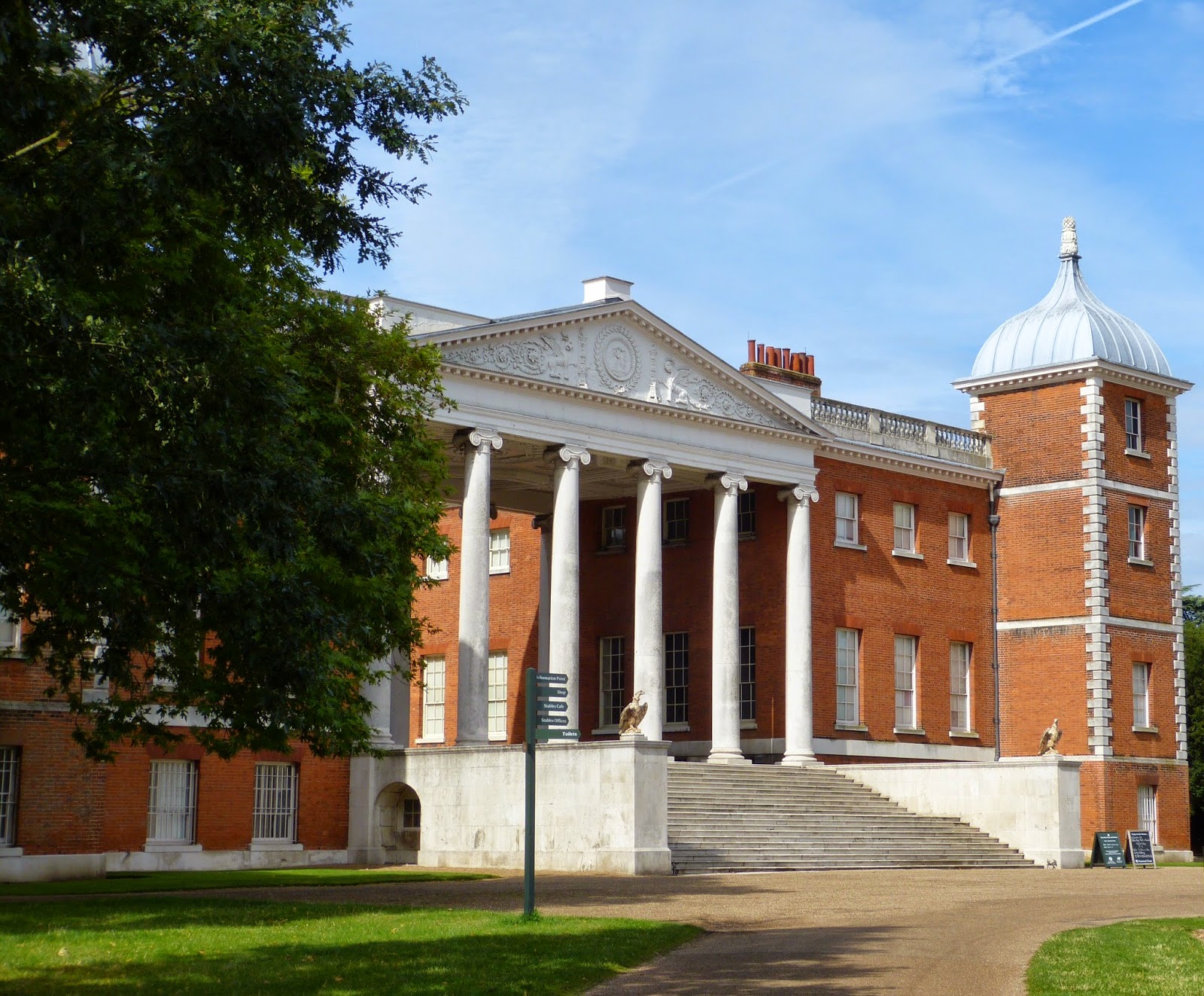
Osterley Park

Osterley Park
Osterley Park
The main staircase

Robert Adam's Etruscan room 

Read about Osterley Park here.

Coleridge Cottage

Inside Coleridge's Cottage

Mount Edgcumbe

In the gardens of Mount Edgcumbe

Read about Mount Edgcumbe here.

All photos and videos © Andrew Knowles

Wednesday, 6 August 2014

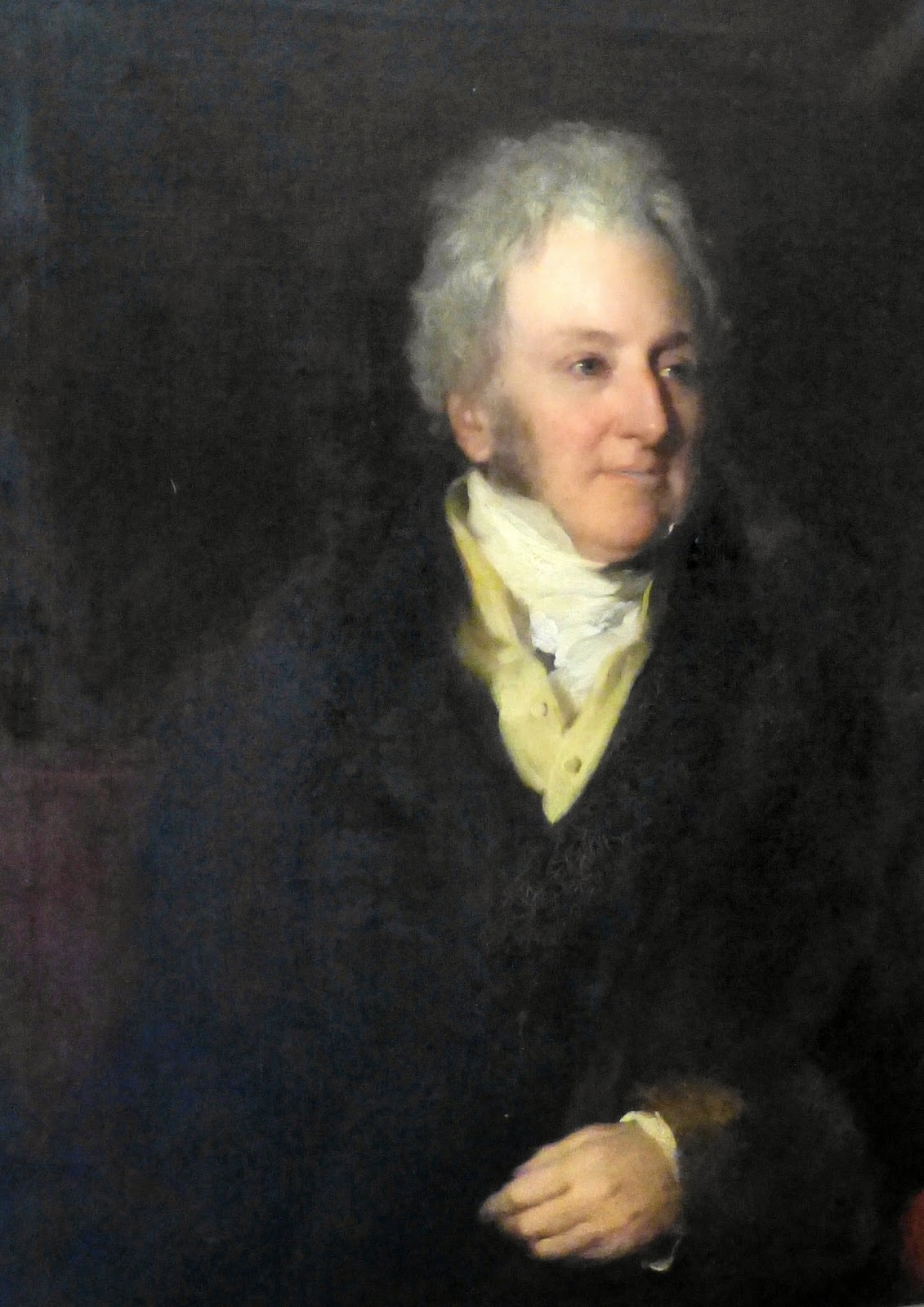
John Parker of Saltram, 1st Earl of Morley (1772-1840)

John Parker, 1st Earl of Morley  by Frederick Richard Say (1830)
John Parker, 1st Earl of Morley
by Frederick Richard Say (1830)
Profile

John Parker, 1st Earl of Morley, (3 May 1772 – 14 March 1840) was the owner of the Saltram estate in Devon and an active member of the House of Lords in favour of parliamentary reform. His first wife, Augusta Fane, notoriously eloped with Sir Arthur Paget. 

Family background

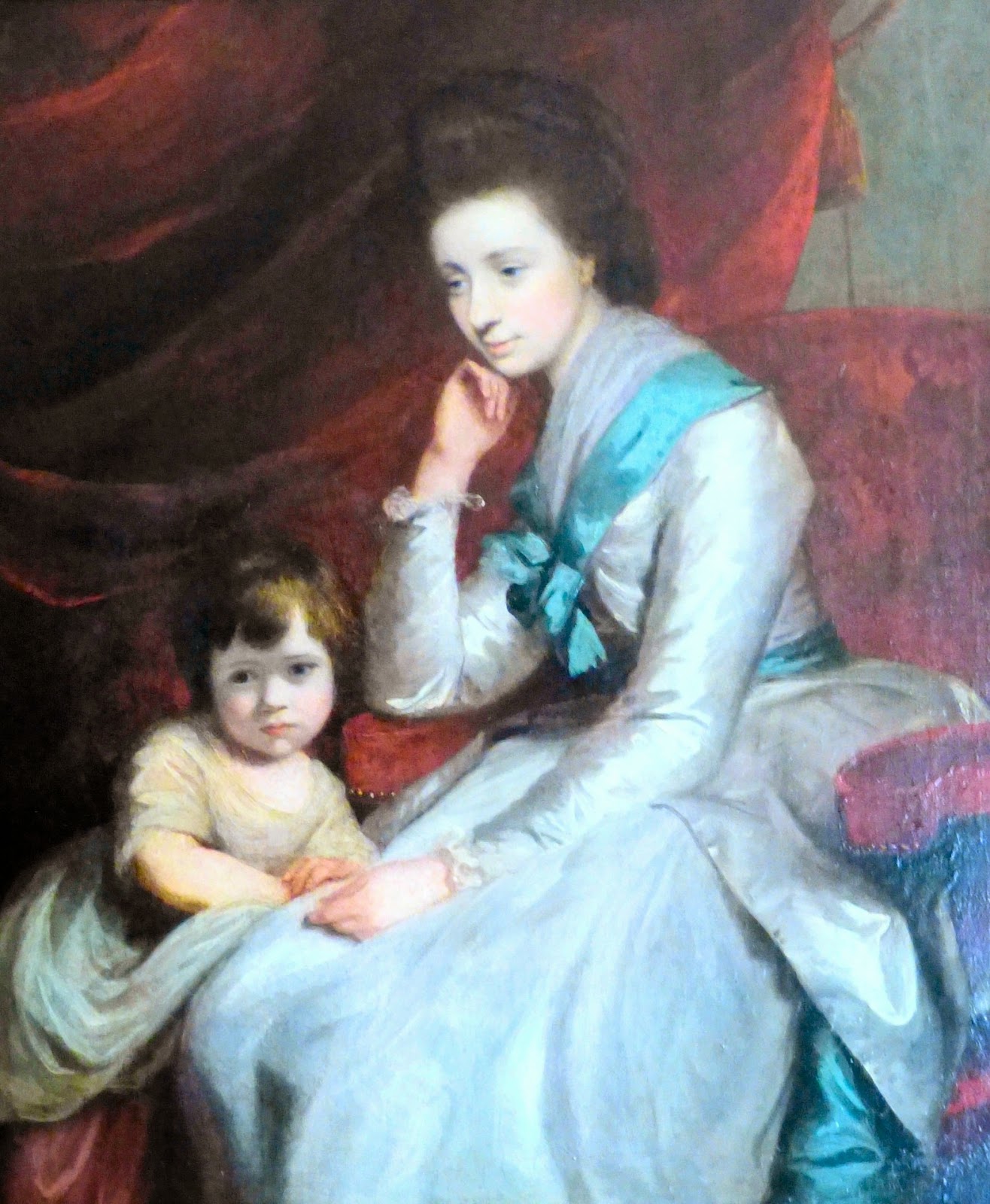
Theresa Parker and Little Jack by Sir Joshua Reynolds (c1775)
John Parker, known as Jack, was born on 3 May 17721, the only son of John Parker, 1st Baron Boringdon, of Saltram in Devon, and his wife Theresa Robinson, a younger daughter of the 1st Lord Grantham. His parents were advocates of inoculation and when he was two years old, he was inoculated against the smallpox at a cost of £42. 
 
His mother died in 1775, shortly after the birth of his sister, Theresa, and his aunt, Anne “Nanny” Robinson, came to Saltram to look after them.

Anne "Nanny" Robinson  by John Downman (1780)
Anne "Nanny" Robinson
by John Downman (1780)
Education

Jack was educated at Plympton School and then at Dr Whyte’s boarding school in Hammersmith where the schoolmaster inspired him with a passion for hot air ballooning and he developed an enduring friendship with Granville Leveson-Gower.2 The year before going up to university, he lived in Yorkshire with Frederick “Fritz” Robinson, his mother’s younger brother, accompanied by Dr Andrews, later Dean of Canterbury, as tutor.

Jack went up to Christ Church, Oxford, on 7 April 1789 where he was reunited with his schoolfriend, Granville Leveson-Gower.3 He joined the Literati and became friends with George Canning and Lord Henry Spencer.

Lord Granville Leveson-Gower     from Lord Granville's Private Correspondence (1916)
Lord Granville Leveson-Gower
    from Lord Granville's Private
Correspondence
(1916)
A royal visit

In August 1789, George III and Queen Charlotte visited Plymouth and stayed at Saltram for 12 days.

George III   from Memoirs of Queen Charlotte  by WC Oulton (1819)
George III
 from Memoirs of Queen Charlotte
by WC Oulton (1819)
The Grand Tour

In 1793, Jack embarked on a Grand Tour with a party which included Lord Amherst, Granville Leveson Gower and George Canning. They visited Paris, Geneva, Genoa, Florence, Rome and Venice as well as parts of Germany and the Low Countries and St Petersburg in Russia.

Lady Elizabeth Monck

In Naples, Jack became involved with the enchanting Lady Elizabeth Monck whilst Granville Leveson-Gower pursued Harriet, Lady Bessborough. Lady Elizabeth was the second daughter of Arthur Saunders, 2nd Earl of Arran, and was married with two daughters, but her husband was complaisant and neglected her for drinking and gambling. 
 
Jack started a long-lasting affair with Lady Elizabeth which resulted in the birth of three illegitimate sons who took the name Stapleton: John (1797), George (1799) and Augustus (1800).

A noble title

Jack inherited his father’s estate and title in 1788, becoming 2nd Baron Boringdon when he was only 16 years old. He was gazetted lieutenant-colonel of the North Devon militia in 1794 and colonel in 1799. He was elected a fellow of the Royal Society in 1795.

On 29 November 1815, Jack was made Viscount Boringdon of North Molton, Devon, and Earl of Morley.

The family arms above the entrance to Saltram
A scandalous elopement

Lady Elizabeth Monck divided her time between Jack and her husband, but her relationship with Jack broke down when she refused to get a divorce so she could marry him.

On 20 June 1804, Jack married Augusta Fane, second daughter of the 10th Earl of Westmorland and sister to Sarah Sophia, later Countess of Jersey. They had one son, Henry Villiers (1806), but the marriage was not a success. Jack was pompous and egotistical and Augusta despised her unfaithful husband and resented his ongoing relationship with Lady Elizabeth Monck.

To Jack’s annoyance, one of his university friends, Sir Arthur Paget, a politician and diplomat and son of Henry, 1st Earl of Uxbridge, began to show an interest in Augusta. The feelings were reciprocated and on 18 May 1808, Augusta caused a scandal by eloping with Sir Arthur Paget. They were married immediately after Jack divorced her by Act of Parliament on 14 February 1809.

A second marriage

On 21 August 1809, Jack married Frances Talbot.4 Frances had no fortune or title to recommend her, but she was a very charming lady who readily embraced not only her stepson, but also Jack’s illegitimate children. Jack and Frances had two children of their own, Edmund and Caroline. Sadly, Jack’s son by his first marriage died suddenly in 1817 and Caroline died a year later.

Frances Parker (née Talbot)  by Frederick Richard Say (1830)
Frances Parker (née Talbot)
by Frederick Richard Say (1830)
Political reformer

Jack took his seat in the House of Lords at an early age and was active in the debates. He supported the Tory government of William Pitt the Younger until his death and then backed George Canning, with whom he regularly corresponded. On two occasions, he tried to introduce a bill to promote vaccination as a means of controlling smallpox, but was forced to withdraw it, the second time because the Lord Chancellor said that spreading infection was punishable under common law! After Canning’s death in 1827, Jack allied himself with the Whigs and became a firm supporter of parliamentary reform.

Expensive developments

Jack commissioned the architect John Foulston to create a new entrance to Saltram House in the Greek Revival style and expand the library.
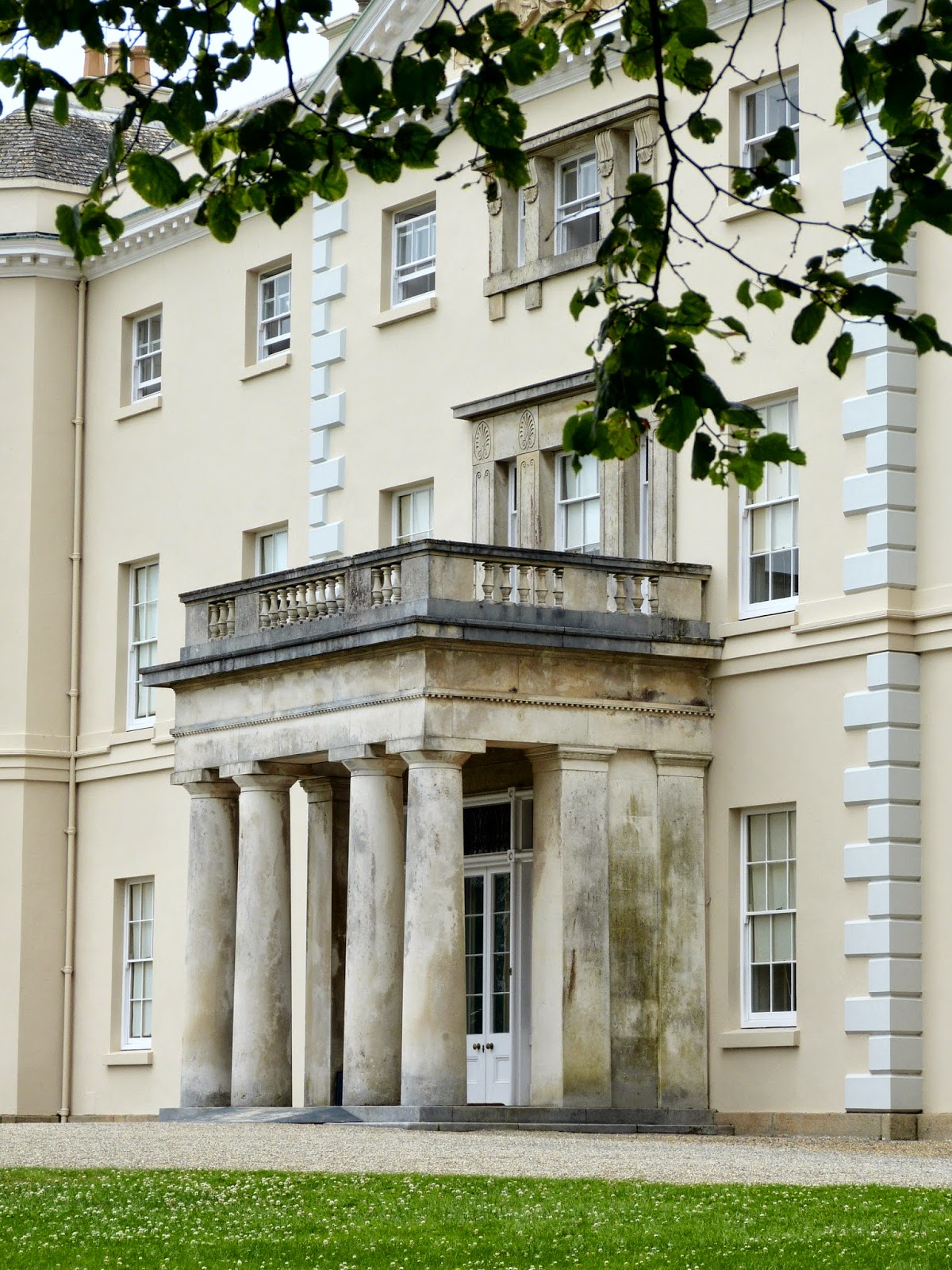
The entrance to Saltram House

On his estates, Jack reclaimed areas of marshland at a cost of £15,000 in order to build a racecourse. He built a cast-iron toll bridge across the Laira and a shipbuilding yard at Cattedown for naval and commercial ships.

Jack owned the Cann slate quarries and built a canal and tramway which linked to the Plymouth and Dartmoor Tramway. These engineering projects were not always financially successful, and on his death, he left behind debts of £258,000.

Death

John died at Saltram on 14 March 1840. He was succeeded by his only surviving legitimate child, Edmund. Frances outlived her husband by 17 years and died at Saltram in 1857 after a short illness.

Headshot of Rachel Knowles author with sea in background(2021)
Rachel Knowles writes faith-based Regency romance and historical non-fiction. She has been sharing her research on this blog since 2011. Rachel lives in the beautiful Georgian seaside town of Weymouth, Dorset, on the south coast of England, with her husband, Andrew.

Find out more about Rachel's books and sign up for her newsletter here.

If you have enjoyed this blog and want to encourage us and help us to keep making our research freely available, please buy us a virtual cup of coffee by clicking the button below.


Notes
(1) Debrett’s gives date as 5 May 1772.
(2) From The early life of John Parker III - 1st Earl of Morley by AS Rayfield (2014). Rayfield refers to the schoolmaster by the name of Kyte rather than Whyte.
(3) Rayfield gives date as 1791.
(4) Rayfield says 22nd.

Sources used include:
Courthope, William, editor, Debrett's Complete Peerage of the United Kingdom of Great Britain and Ireland (1838)
Evans, Sian, Saltram (National Trust 2012)
Fletcher, Ronald, The Parkers at Saltram 1769-1789 (BBC 1970)
Norgate, G Le G, rev Matthew, HCG, Parker, John, first earl of Morley (1772-1840) Oxford Dictionary of National Biography (Oxford University Press, 2004; online edn May 2009, accessed 21 July 2014)
Rayfield, AS, The early life of John Parker III - 1st Earl of Morley (Blog, 2014)
Viveash, Chris, Lady Morley and the ‘Baron so Bold’, from the Journal of the Jane Austen Society of North America – Persuasions #14 (1992)

All photographs © Andrew Knowles - RegencyHistory.net

Wednesday, 30 July 2014

John Parker of Saltram, 1st Baron Boringdon (1734/5-1788)

John Parker, 1st Baron Boringdon from portrait in the style of Thomas Hudson (1755-60)
John Parker, 1st Baron Boringdon
from portrait in the style of Thomas Hudson (1755-60)
Profile

John Parker, 1st Baron Boringdon (1734/5 – 27 April 1788), was the owner of Saltram near Plymouth in Devon. He was an MP and a great patron and friend of Sir Joshua Reynolds.

Saltram, Devon
Saltram (2014)
Family background and education

John Parker, 1st Baron Boringdon, was born in Devon in 1734/5, the elder son of John Parker of Saltram and his wife Catherine, daughter of the 1st Earl Poulett. Before his parents moved to Saltram, John attended Plympton Grammar School where Sir Joshua Reynold’s father was headmaster.

Plymton Grammar School, Plympton, Devon
Political career

John attended university at Christ Church Oxford with William Petty, later 2nd Earl of Shelburne, and it was through the influence of Lord Shelburne and Lord Bute that John was returned as MP for Bodmin (1761-2) and then Devon (1762-1784). He was made 1st Baron Boringdon in 1784.

A short marriage

On 10 January 1764, John married Frances Hort, a cousin of Lord Shelburne, but sadly Frances became ill and died during a trip to Naples the same year. 
 
Frances Hort by Thomas Hudson (1757-64)
Frances Hort by Thomas Hudson (1757-64)1
Remodelling Saltram

In 1768, John inherited Saltram on the death of his father. Over £32,000 in cash was discovered hidden around the house! With this money, he was able to commission Robert Adam to build two new rooms for Saltram – the Saloon and the Library, which has since been changed into the Dining Room. He also built the Castle and the Orangery and a new estate entrance flanked by stags.

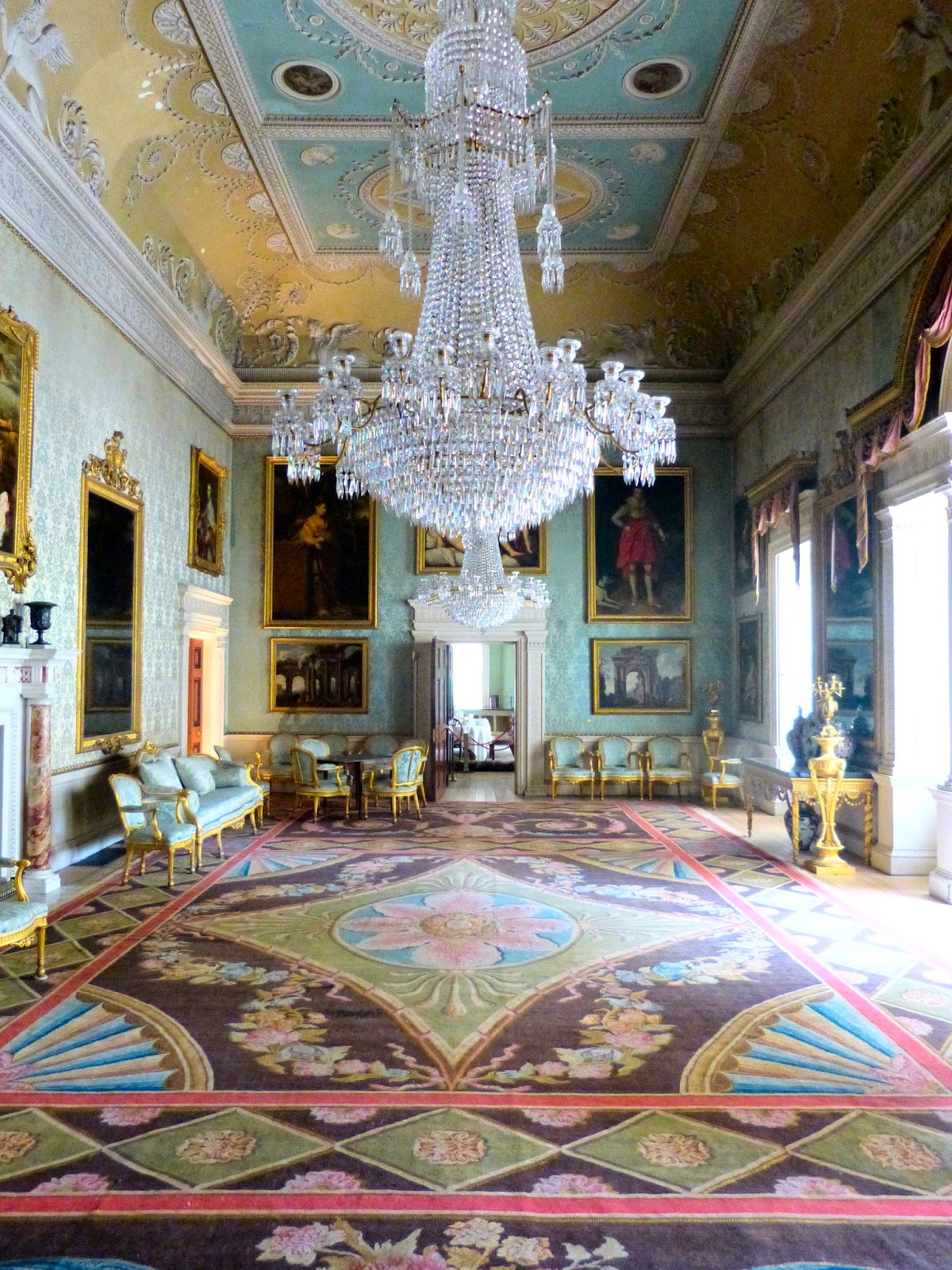
The Saloon at Saltram, designed by Robert Adam
The Saloon, Saltram (2014)
A second marriage

On 18 May 1769, John married Theresa Robinson, a daughter of the 1st Lord Grantham.

Theresa Parker and Little Jack by Sir Joshua Reynolds (c1775)
Theresa Parker and Little Jack
by Sir Joshua Reynolds (c1775)
They were very happy together, dividing their time between London and Saltram. They had two children, John and Theresa, but John’s wife became ill shortly after the birth of their daughter and died in 1775. John was devastated. His wife’s elder sister, Anne – “Aunt Nanny” – came to live at Saltram to look after the children.

Anne "Nanny" Robinson  by John Downman (1780)
Anne "Nanny" Robinson
by John Downman (1780)
A gentleman’s lifestyle

John was well-suited to the life of the country gentleman, riding, shooting and hunting over the countryside. He enjoyed playing cards and had a passion for gambling, whether at his London clubs, casually placing bets with his friends or at the races.

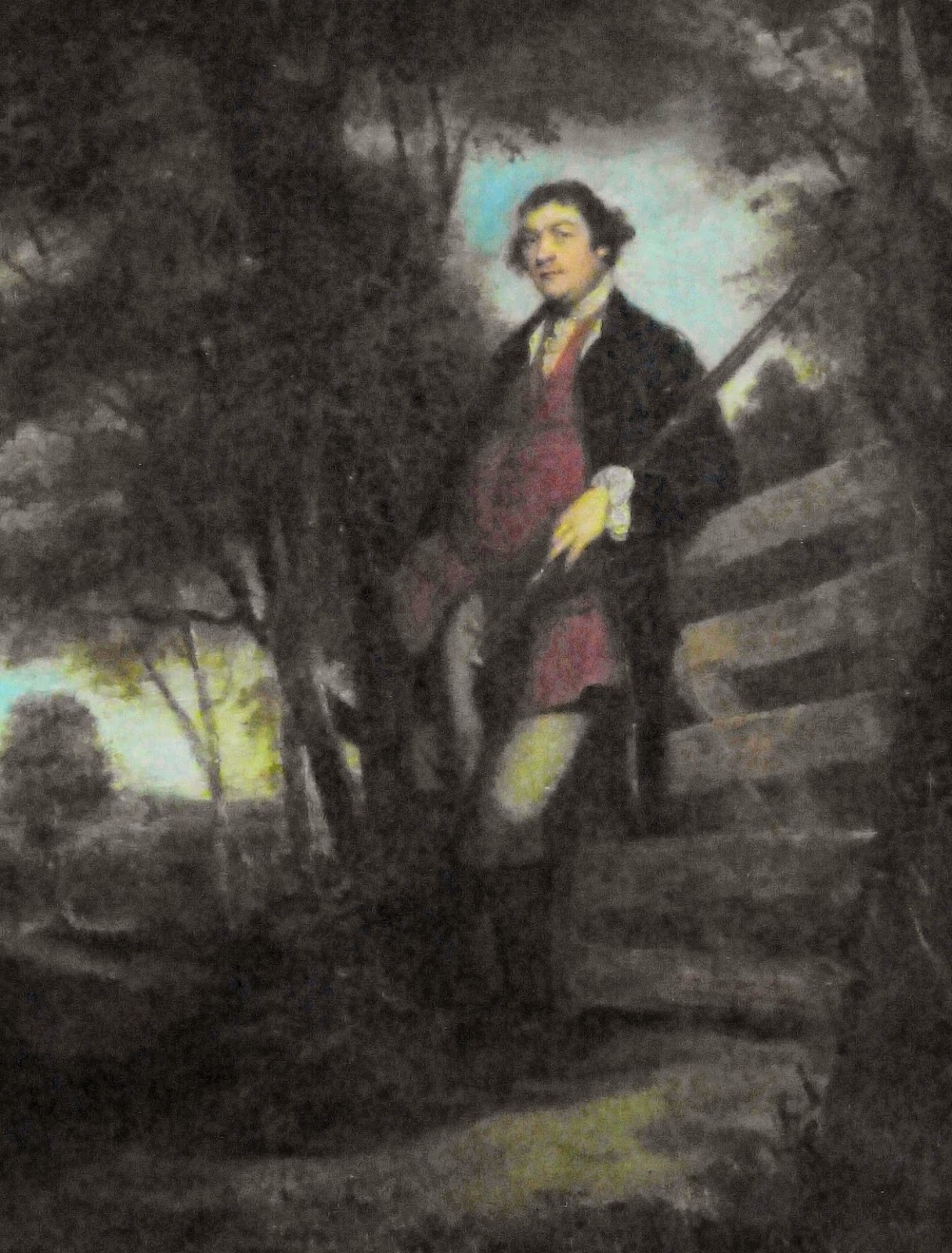
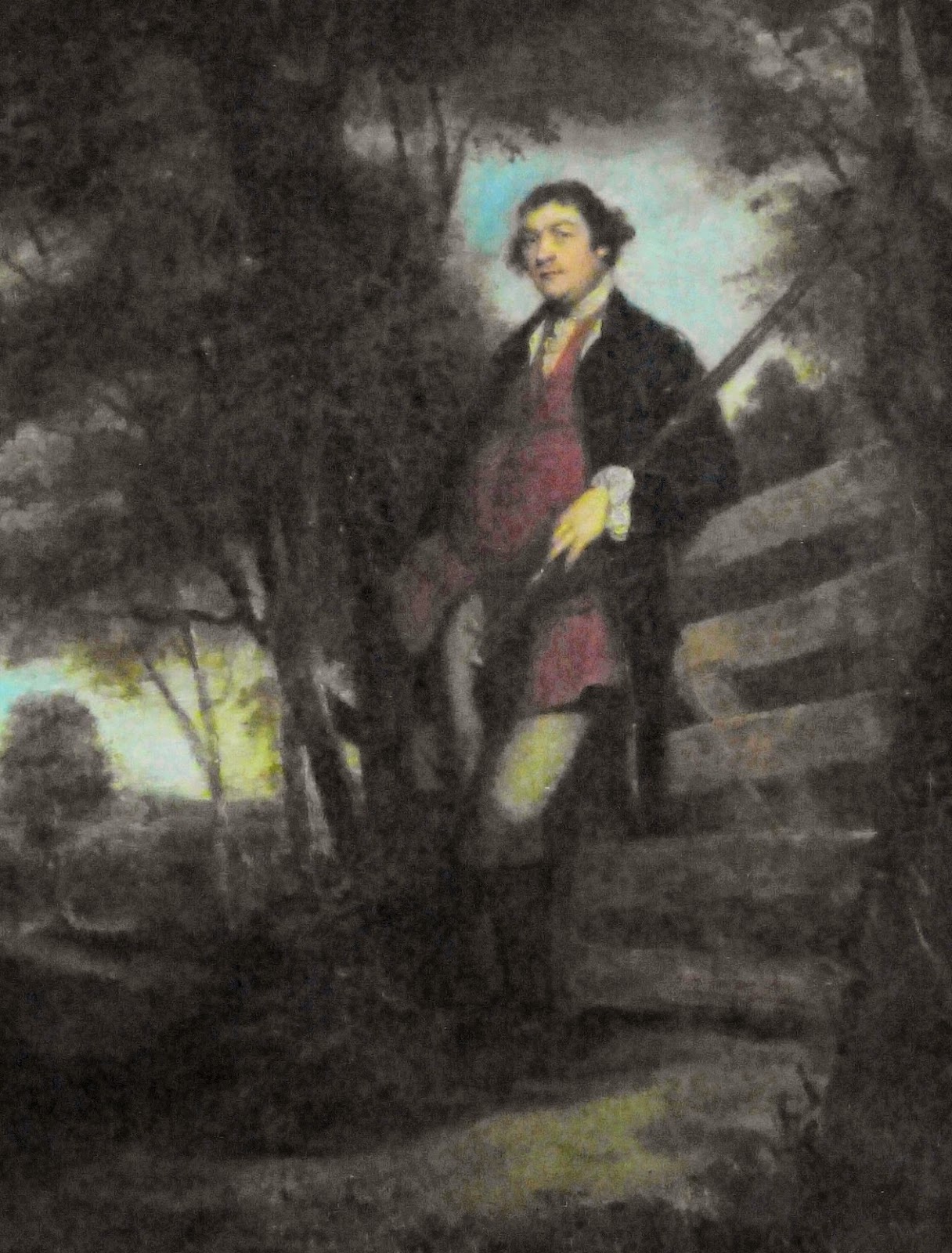
John Parker, 1st Baron Boringdon  by Sir Joshua Reynolds (1767)
John Parker, 1st Baron Boringdon
by Sir Joshua Reynolds (1767)
Horseracing

One of John’s biggest extravagances was his stables. He was very fond of horseracing and bred a number of successful racehorses. In 1783, his horse, Saltram, won the Derby at Epsom. It cost 50 guineas to enter the race with prize money of 900 guineas. The jockey wore the Parker colours of green shirt and breeches with a black cap. The horse was painted by John Nost Sartorius in the year of its famous victory.

"Saltram" by John Nost Sartorius (1783)
Another successful horse, Anvil, was sold to the Prince of Wales in 1784 for 800 guineas. Sartorius painted this horse and its jockey, Charles Handley, with Newmarket racecourse in the background.

"Anvil" by John Nost Sartorius (1783)
Friendship with Sir Joshua

John was great friends with the painter Sir Joshua Reynolds who came from nearby Plympton. Sir Joshua had painted a number of portraits for John’s parents and John continued to be his patron and friend. When in London, John often stayed with Sir Joshua and was introduced to his circle of friends, including Samuel Johnson, David Garrick and James Boswell.

Sir Joshua Reynolds by Angelica Kauffman (1767)
Illness and death

Towards the end of his life, John suffered increasingly from gout and “the bleeding of his chest.”2. He died on 27 April 1788 and was buried in St Mary’s Church, Plympton. His work on the house and gardens, inefficient estate management, his horses and his gambling left behind a huge debt of between £56,000 and £58,000.

Headshot of Rachel Knowles author with sea in background(2021)
Rachel Knowles writes faith-based Regency romance and historical non-fiction. She has been sharing her research on this blog since 2011. Rachel lives in the beautiful Georgian seaside town of Weymouth, Dorset, on the south coast of England, with her husband, Andrew.

Find out more about Rachel's books and sign up for her newsletter here.

If you have enjoyed this blog and want to encourage us and help us to keep making our research freely available, please buy us a virtual cup of coffee by clicking the button below.


Notes
1. Writing on the portrait incorrectly identifies this painting as Lady Catherine Parker. 
2. From The Parkers at Saltram by Ronald Fletcher (1970)

Sources used include:
Courthope, William, editor, Debrett's Complete Peerage of the United Kingdom of Great Britain and Ireland (1838)
Evans, Sian, Saltram (National Trust 2012)
Fletcher, Ronald, The Parkers at Saltram 1769-1789 (BBC 1970)

All photographs © Andrew Knowles - RegencyHistory.net
Wednesday, 23 July 2014

Saltram - a Regency History guide

Saltram
Saltram (2014)

Saltram is a Georgian mansion just outside Plymouth in Devon.

History

Before the civil war, Saltram was owned by the Bagge family. One of them, James Bagge, was a particularly disreputable character. He was an intimate friend of James I’s favourite, the Duke of Buckingham, who was a frequent visitor at Saltram, but he died in disgrace in 1638 after embezzling funds entrusted to him to supply the King’s fleet.

His son George was more respectable and became Deputy Governor of Plymouth, but as a Royalist, he had to forfeit the estate to Parliament after the civil war. When the monarchy was restored, the estate was given to Sir George Carteret who sold it to George Parker, a wealthy squire from Boringdon, in 1712.

The house remained in the Parker family until it was given to HM Treasury in lieu of death duties in 1957 and then passed into the care of the National Trust.

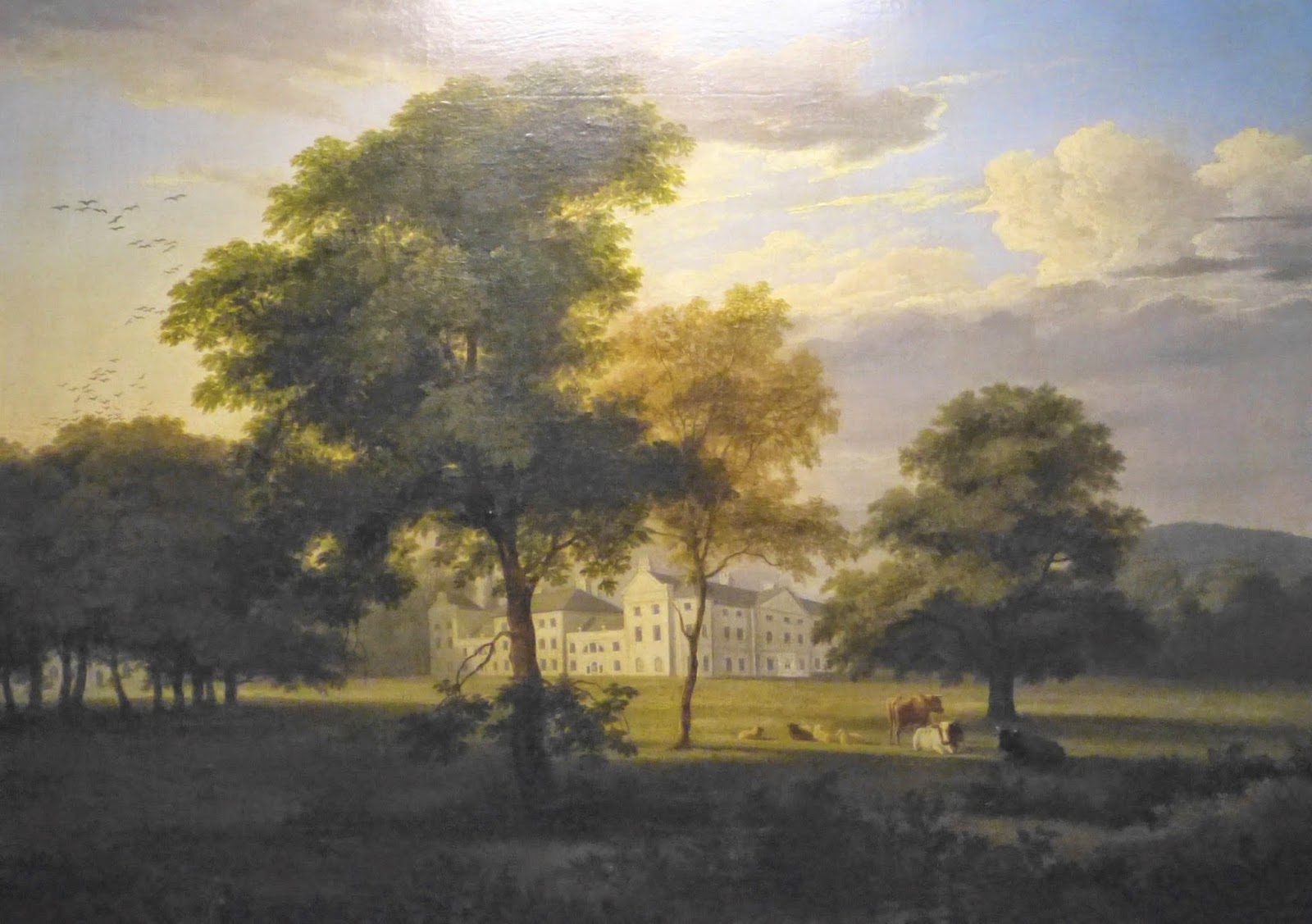
Saltram from the South West by Philip Hutchins Rogers (c1813)
The Georgian connection

John Parker I (1703-1768)

George Parker bought Saltram in 1712 and let the house to tenants. His son John inherited in 1743, and he and his wife Catherine, daughter of the 1st Earl Poulett, decided to make Saltram their home. The house they inherited was a three-storey house built around a central courtyard. They commissioned a local architect to give the house a new look by adding three distinct classical façades to the existing building and they extensively remodelled the interior.

Lady Catherine had superior taste and was an early patron of Sir Joshua Reynolds who came from nearby Plympton. She was almost certainly responsible for the introduction of the fashionable Chinese wallpapers used in several of the first floor rooms.
 
 
Chinese wallpaper, The Chinese Bedroom, Saltram
Chinese wallpaper, The Chinese Bedroom, Saltram (2014)
John Parker II (1734/5-1788)

John Parker II was MP for Bodmin and then Devon and was made 1st Baron Boringdon in 1784. He lived at Saltram with his second wife, Theresa Robinson, and continued to remodel the house and gardens. He appointed Robert Adam to design the Saloon and Library (now the Dining Room), and added new features to the gardens, such as the Orangery. John was good friends with Sir Joshua Reynolds who often visited Saltram and painted a number of portraits for the family.
 

John Parker, 1st Baron Boringdon  by Sir Joshua Reynolds (1767)
John Parker, 1st Baron Boringdon
by Sir Joshua Reynolds (1767)
John Parker III (1772-1840)

John Parker III’s mother died when he was three years old and his aunt, Anne “Nanny” Robinson, looked after him and his sister Theresa at Saltram. He inherited on his father’s death in 1788, before he had reached his majority. George III and Queen Charlotte stayed at Saltram in August 1789 whilst they visited Plymouth and the surrounding area.

John married twice, firstly to Augusta Fane who scandalously eloped with Sir Arthur Paget, and secondly to Frances Talbot. In 1815, John was made Viscount Boringdon and Earl of Morley.

What can you see today?

• The Georgian façade of Saltram

Entrance to Saltram
Entrance to Saltram (2014)
 • Portraits by Sir Joshua Reynolds, such as this one of John Parker III and his sister Theresa as children.

John Parker, later 1st Earl of Morley, and his sister Theresa by Sir Joshua Reynolds (1779)
John Parker, later 1st Earl of Morley, and his sister Theresa
by Sir Joshua Reynolds (1779) (Photo 2014)

• Portraits by Angelica Kauffman, such as this self-portrait. 

Angelica Kauffman painted by herself (c1764) Photo 2023
Angelica Kauffman painted by herself (c1764) (Photo 2023)

• The Saloon designed by Robert Adam. 

The first picture shows the original carpet. The second is from our visit in 2023, when part of the carpet is covered by a replica to enable visitors to enter the room. The colours of the replica were less vibrant than the original, and did not match up exactly because the original had stretched over time.

The Saloon, Saltram (2014)


The Saloon, Saltram (2023)

 • The Dining Room designed by Robert Adam. It was originally the Library.

The Dining Room, Saltram (originally The Library)
The Dining Room, Saltram (2014)
 • Rare Chinese wallpaper in several of the upstairs rooms

The Chinese Bedroom, Saltram
The Chinese Bedroom, Saltram (2014)
 • The Library, with a writing desk dating from c1700 believed to have belonged to Louis XIV.

The Library, Saltram
The Library, Saltram (2014)
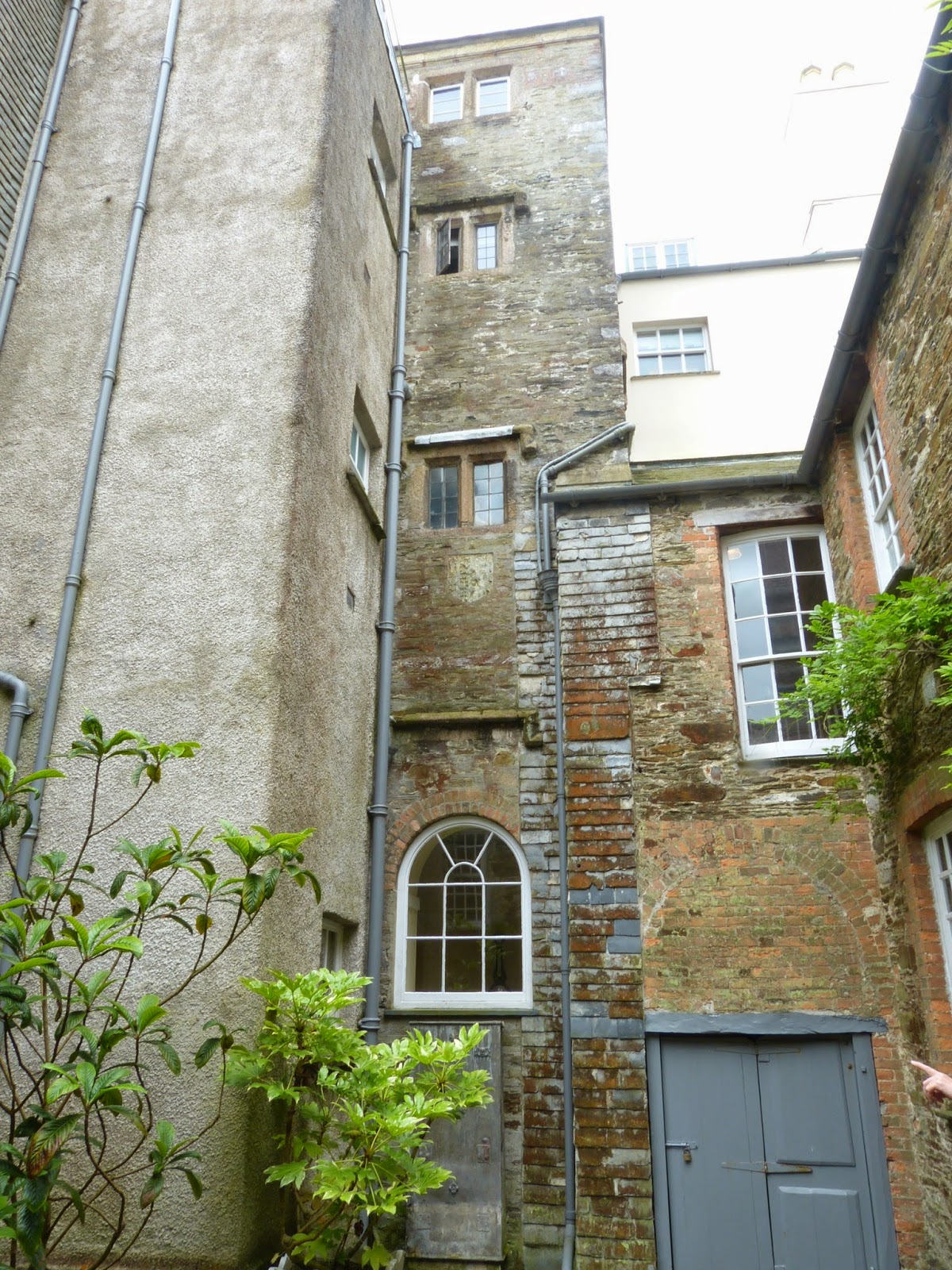
 • The Tudor courtyard, showing a glimpse of the original building.

Tudor courtyard, Saltram
Tudor courtyard, Saltram (2014)
 • The Orangery.

The Orangery, Saltram
The Orangery, Saltram (2014)
 • The Amphitheatre on the banks of the river, thought to date from pre 1743.

The Amphitheatre, Saltram, from across the river
The Amphitheatre, Saltram, from across the river (2014)
Last visited: June 2023.

Headshot of Rachel Knowles author with sea in background(2021)
Rachel Knowles writes faith-based Regency romance and historical non-fiction. She has been sharing her research on this blog since 2011. Rachel lives in the beautiful Georgian seaside town of Weymouth, Dorset, on the south coast of England, with her husband, Andrew.

Find out more about Rachel's books and sign up for her newsletter here.

If you have enjoyed this blog and want to encourage us and help us to keep making our research freely available, please buy us a virtual cup of coffee by clicking the button below.

Sources used include:
Courthope, William, editor, Debrett's Complete Peerage of the United Kingdom of Great Britain and Ireland (1838)
Evans, Sian, Saltram (National Trust 2012)
Fletcher, Ronald, The Parkers at Saltram 1769-1789 (BBC 1970)

All photographs © Andrew Knowles - RegencyHistory.net