Search this blog

Wednesday, 30 July 2014

John Parker of Saltram, 1st Baron Boringdon (1734/5-1788)

John Parker, 1st Baron Boringdon from portrait in the style of Thomas Hudson (1755-60)
John Parker, 1st Baron Boringdon
from portrait in the style of Thomas Hudson (1755-60)
Profile

John Parker, 1st Baron Boringdon (1734/5 – 27 April 1788), was the owner of Saltram near Plymouth in Devon. He was an MP and a great patron and friend of Sir Joshua Reynolds.

Saltram, Devon
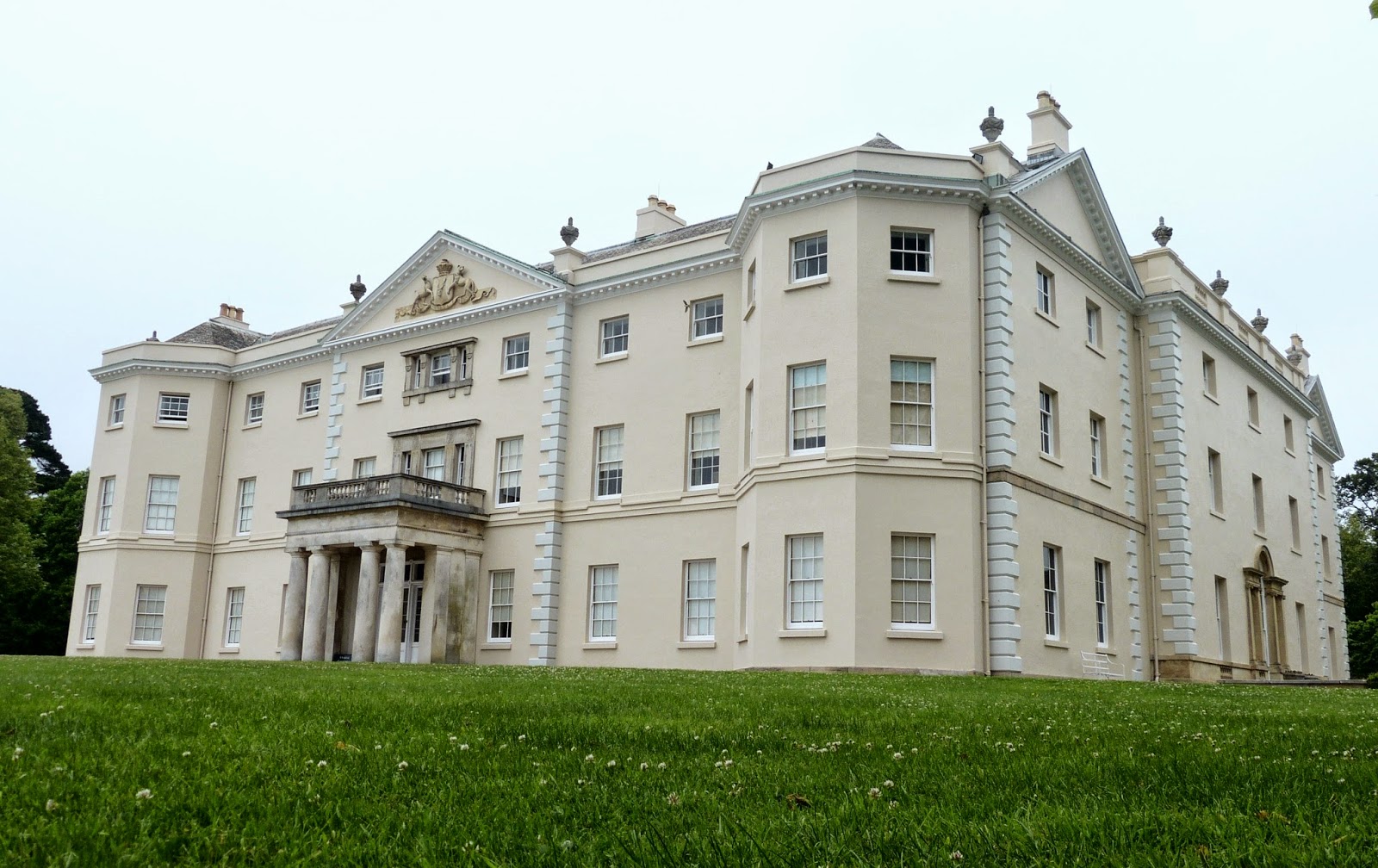
Saltram (2014)
Family background and education

John Parker, 1st Baron Boringdon, was born in Devon in 1734/5, the elder son of John Parker of Saltram and his wife Catherine, daughter of the 1st Earl Poulett. Before his parents moved to Saltram, John attended Plympton Grammar School where Sir Joshua Reynold’s father was headmaster.

Plymton Grammar School, Plympton, Devon
Political career

John attended university at Christ Church Oxford with William Petty, later 2nd Earl of Shelburne, and it was through the influence of Lord Shelburne and Lord Bute that John was returned as MP for Bodmin (1761-2) and then Devon (1762-1784). He was made 1st Baron Boringdon in 1784.

A short marriage

On 10 January 1764, John married Frances Hort, a cousin of Lord Shelburne, but sadly Frances became ill and died during a trip to Naples the same year. 
 
Frances Hort by Thomas Hudson (1757-64)
Frances Hort by Thomas Hudson (1757-64)1
Remodelling Saltram

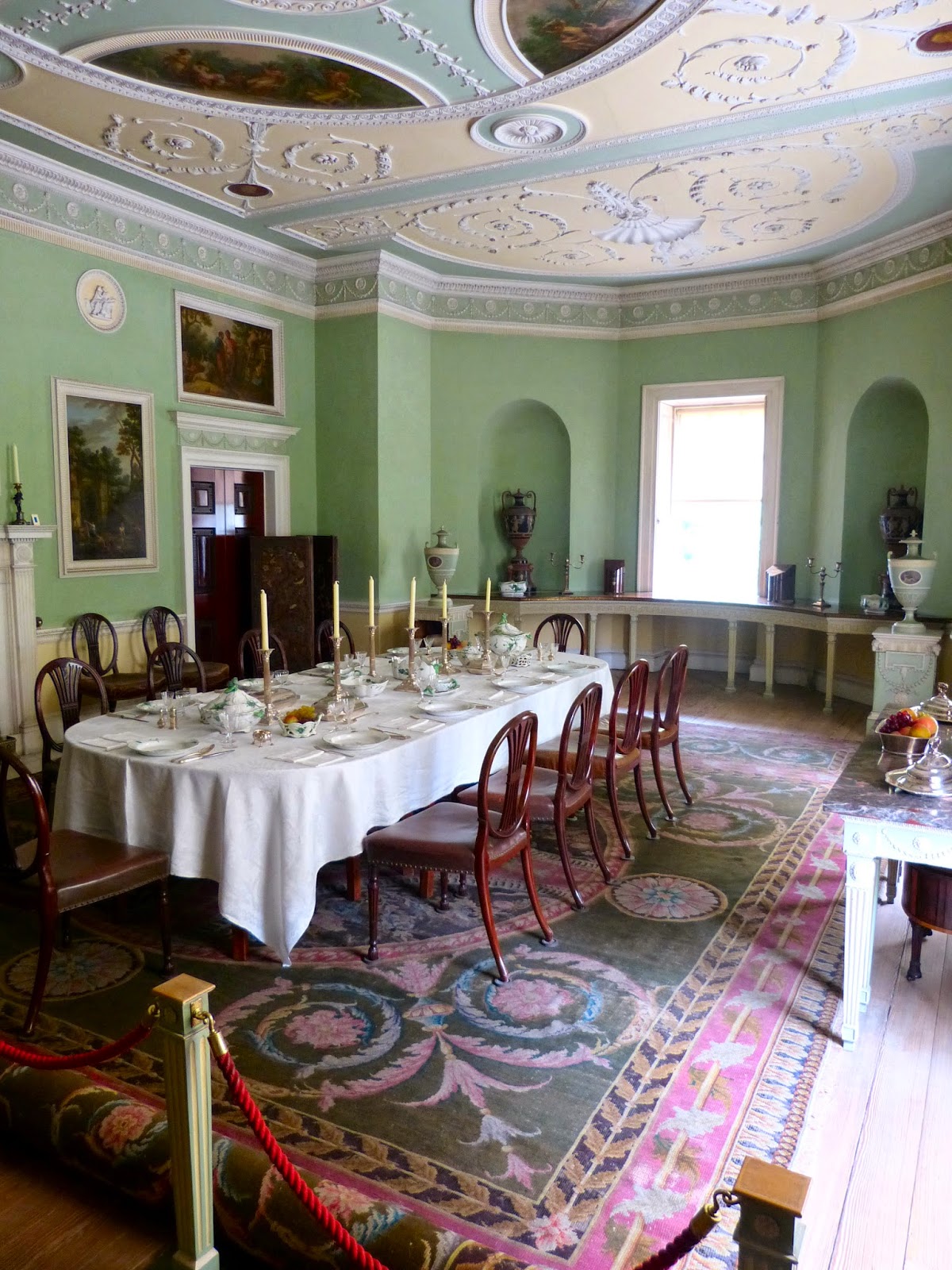
In 1768, John inherited Saltram on the death of his father. Over £32,000 in cash was discovered hidden around the house! With this money, he was able to commission Robert Adam to build two new rooms for Saltram – the Saloon and the Library, which has since been changed into the Dining Room. He also built the Castle and the Orangery and a new estate entrance flanked by stags.
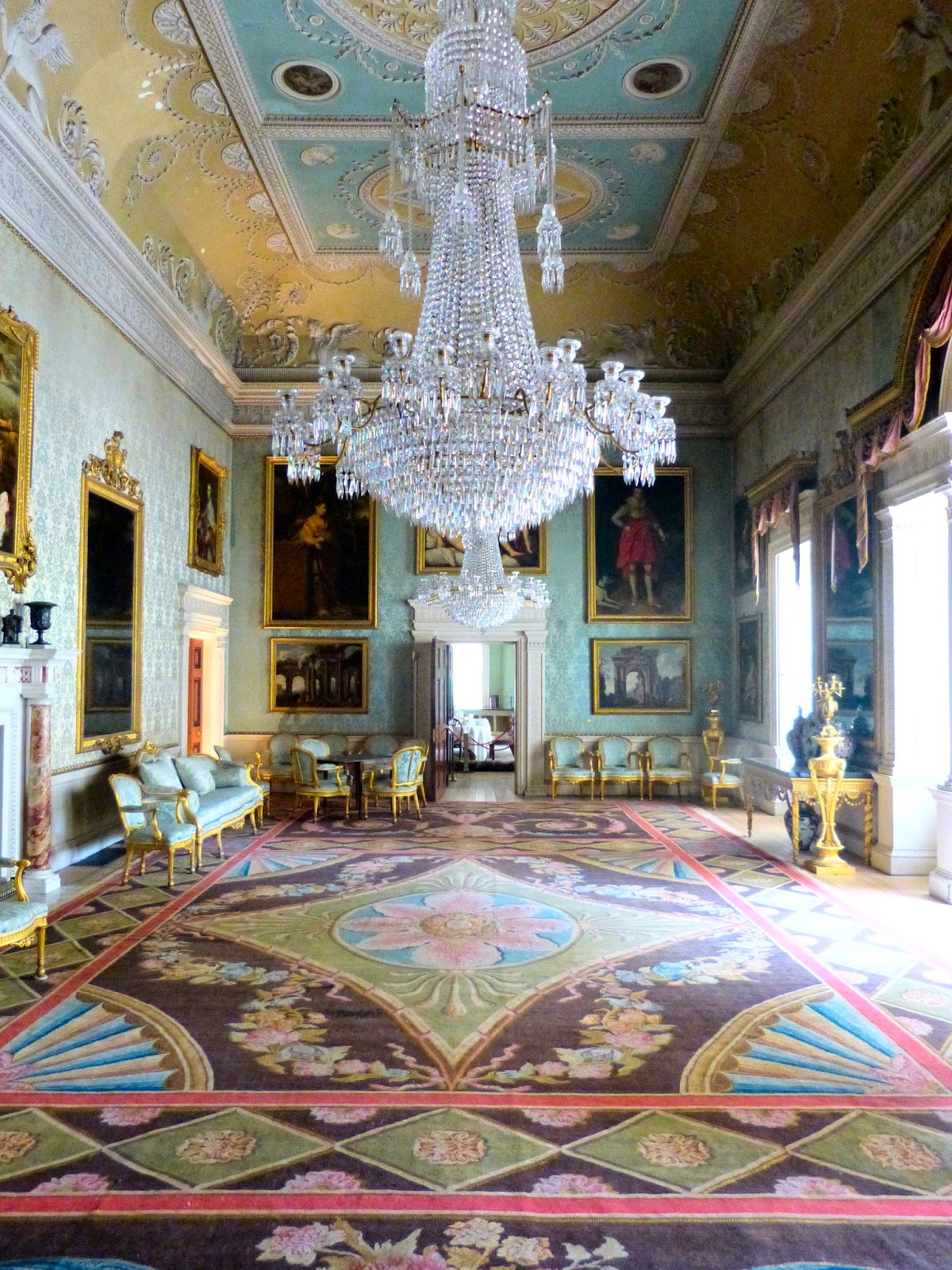
The Saloon at Saltram, designed by Robert Adam
The Saloon, Saltram (2014)
A second marriage

On 18 May 1769, John married Theresa Robinson, a daughter of the 1st Lord Grantham.
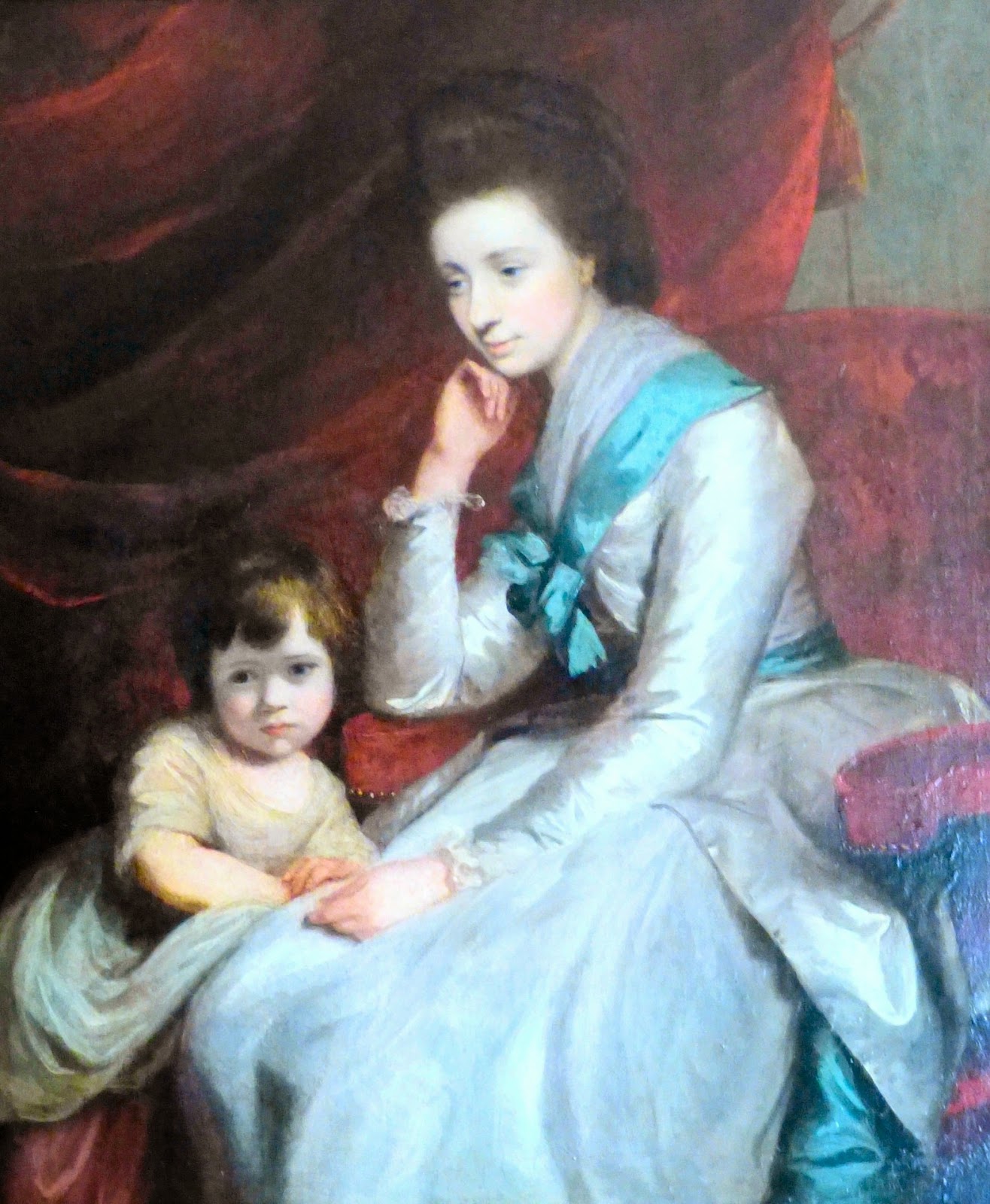
Theresa Parker and Little Jack by Sir Joshua Reynolds (c1775)
Theresa Parker and Little Jack
by Sir Joshua Reynolds (c1775)
They were very happy together, dividing their time between London and Saltram. They had two children, John and Theresa, but John’s wife became ill shortly after the birth of their daughter and died in 1775. John was devastated. His wife’s elder sister, Anne – “Aunt Nanny” – came to live at Saltram to look after the children.

Anne "Nanny" Robinson  by John Downman (1780)
Anne "Nanny" Robinson
by John Downman (1780)
A gentleman’s lifestyle

John was well-suited to the life of the country gentleman, riding, shooting and hunting over the countryside. He enjoyed playing cards and had a passion for gambling, whether at his London clubs, casually placing bets with his friends or at the races.
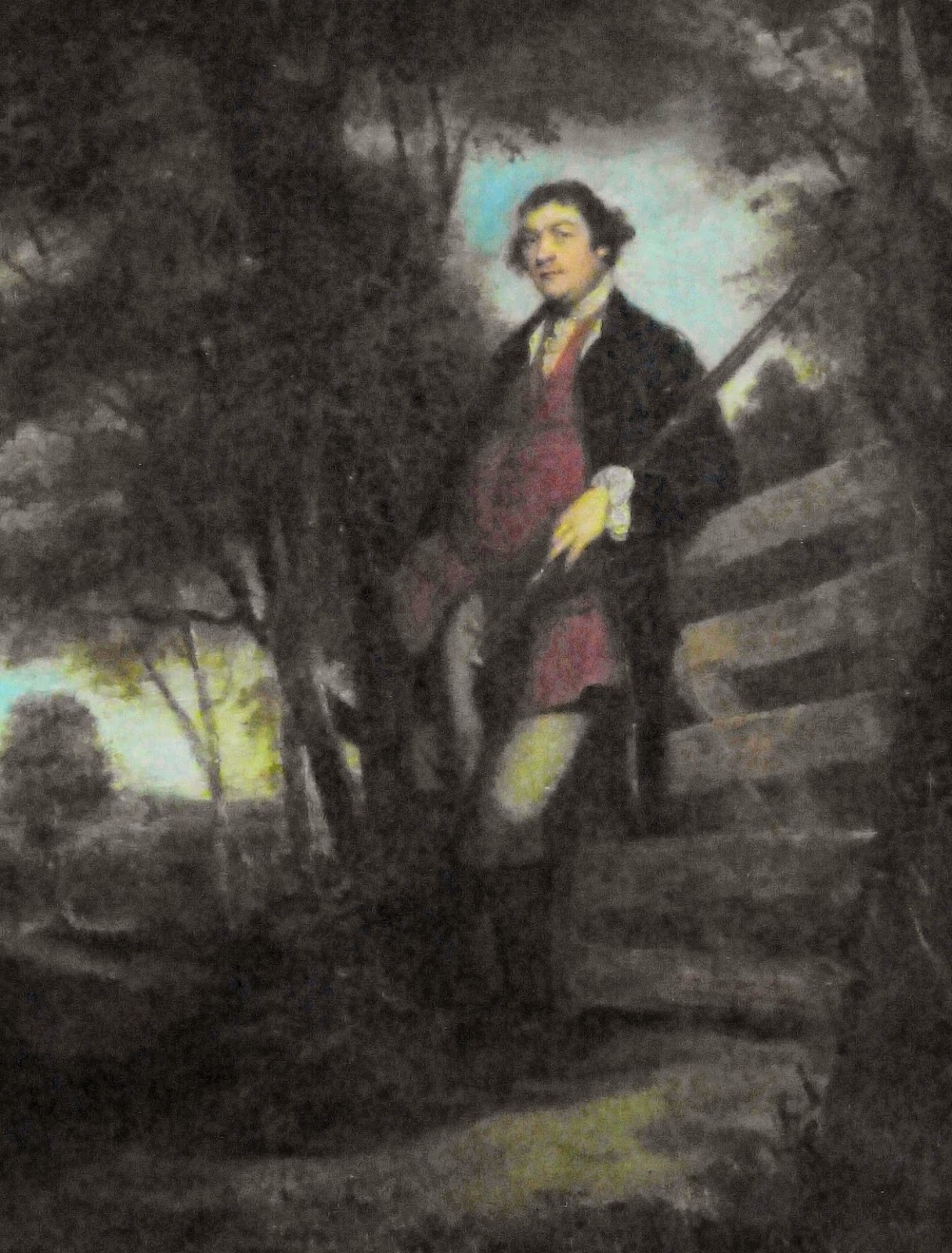
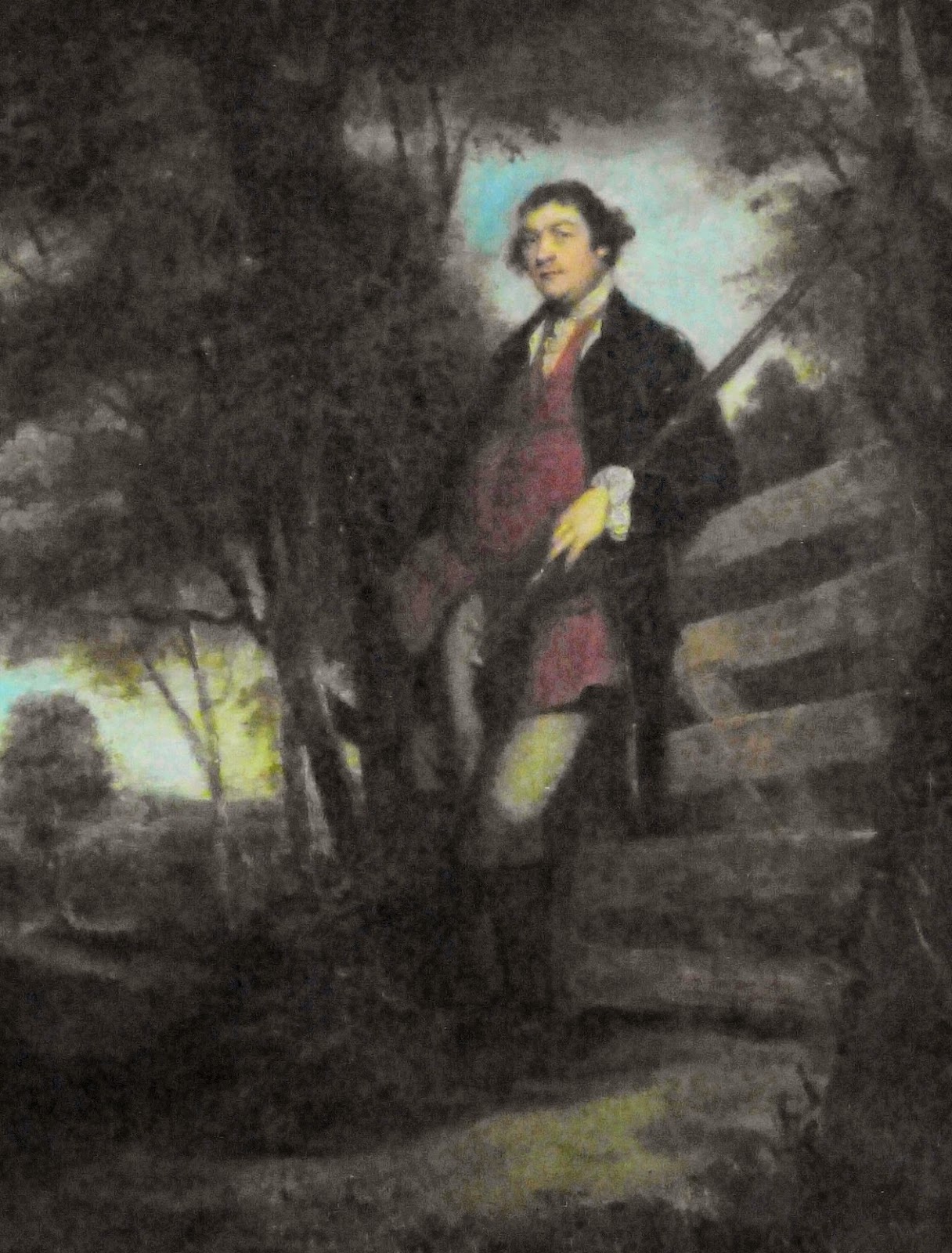
John Parker, 1st Baron Boringdon  by Sir Joshua Reynolds (1767)
John Parker, 1st Baron Boringdon
by Sir Joshua Reynolds (1767)
Horseracing

One of John’s biggest extravagances was his stables. He was very fond of horseracing and bred a number of successful racehorses. In 1783, his horse, Saltram, won the Derby at Epsom. It cost 50 guineas to enter the race with prize money of 900 guineas. The jockey wore the Parker colours of green shirt and breeches with a black cap. The horse was painted by John Nost Sartorius in the year of its famous victory.

"Saltram" by John Nost Sartorius (1783)
Another successful horse, Anvil, was sold to the Prince of Wales in 1784 for 800 guineas. Sartorius painted this horse and its jockey, Charles Handley, with Newmarket racecourse in the background.

"Anvil" by John Nost Sartorius (1783)
Friendship with Sir Joshua

John was great friends with the painter Sir Joshua Reynolds who came from nearby Plympton. Sir Joshua had painted a number of portraits for John’s parents and John continued to be his patron and friend. When in London, John often stayed with Sir Joshua and was introduced to his circle of friends, including Samuel Johnson, David Garrick and James Boswell.

Sir Joshua Reynolds by Angelica Kauffman (1767)
Illness and death

Towards the end of his life, John suffered increasingly from gout and “the bleeding of his chest.”2. He died on 27 April 1788 and was buried in St Mary’s Church, Plympton. His work on the house and gardens, inefficient estate management, his horses and his gambling left behind a huge debt of between £56,000 and £58,000.

Headshot of Rachel Knowles author with sea in background(2021)
Rachel Knowles writes faith-based Regency romance and historical non-fiction. She has been sharing her research on this blog since 2011. Rachel lives in the beautiful Georgian seaside town of Weymouth, Dorset, on the south coast of England, with her husband, Andrew.

Find out more about Rachel's books and sign up for her newsletter here.

If you have enjoyed this blog and want to encourage us and help us to keep making our research freely available, please buy us a virtual cup of coffee by clicking the button below.


Notes
1. Writing on the portrait incorrectly identifies this painting as Lady Catherine Parker. 
2. From The Parkers at Saltram by Ronald Fletcher (1970)

Sources used include:
Courthope, William, editor, Debrett's Complete Peerage of the United Kingdom of Great Britain and Ireland (1838)
Evans, Sian, Saltram (National Trust 2012)
Fletcher, Ronald, The Parkers at Saltram 1769-1789 (BBC 1970)

All photographs © Andrew Knowles - RegencyHistory.net

Saturday, 26 July 2014

Royal Childhood – the 2014 summer exhibition at Buckingham Palace

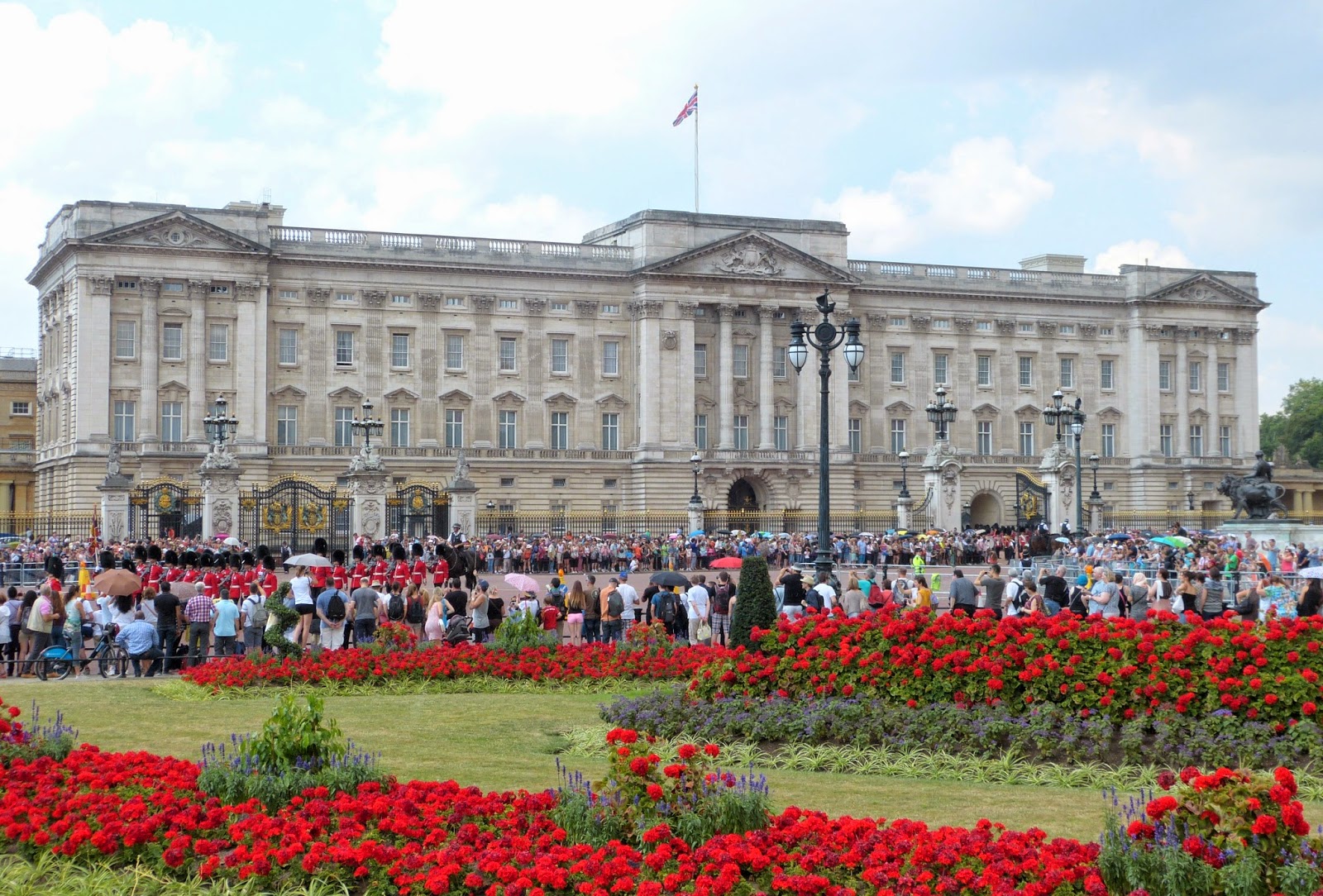
Buckingham Palace 25 July 2014 at changing of the guard
The state rooms at Buckingham Palace opened today for the summer season: 26 July until 28 September 2014. Two rooms in the palace, The Ballroom and The Ball Supper Room, have been given over to this year’s exhibition: Royal Childhood. I was invited to attend the preview yesterday and was eager to see what gems from the Georgian royals were included in the exhibition.

The Royal Childhood exhibition

Royal Childhood features toys, workbooks and children’s clothes belonging to members of the royal family, from George IV and his siblings to Prince George of Cambridge. The items were arranged by theme, rather than by date, so objects from 200 years ago were alongside very recent things. I confess I have a preference for chronological presentation – I like to see the way things progress from period to period - but the themes worked well and it was interesting to see whether I could pick out the really old things before I read the placards.

Royal Childhood: learning
Learning

One of the oldest items on display was in the learning section – an exercise book used by George, Prince of Wales, later George IV, for handwriting practice. The book was dated 1767 suggesting that he was only five years old at the time. I think the writing is very impressive for a five year old!

George IV's handwriting practice book (1767)
Playing

I was disappointed that the only toys in the exhibition which had been used by George IV or his siblings were two silver rattles. I had hoped to see something that the young Princes and Princesses had played with as children, but I am guessing that very little has survived. After all, there were fifteen children and things do not tend to last if they get passed down from child to child as I am well aware (and I only had four!).

The silver filigree rattle (left) was given to the future George IV by Lady Charlotte Finch, the children’s governess, soon after his birth in 1762. The term filigree refers to the fine detailed decorative silver work on the rattle. Apparently this rattle was also used by Queen Victoria’s children, so it must be quite robust to have survived.

Left: George IV's rattle(1762)
Right: Prince Adolphus, Duke of
Cambridge's rattle (1774)
The second rattle (right) was made of silver and coral and was used by Prince Adolphus, Duke of Cambridge, one of George IV’s younger brothers, in 1774.

Victorian memorabilia

In contrast, there were lots of Victorian items on display. One of my favourites was the young Princess Victoria’s behaviour book – a day by day list of whether the young Princess had behaved well in her lessons. Although there were lots of ‘goods’, there was also a ‘very, very naughty’ in the entry for the afternoon of 18 November1831!

Queen Victoria's behaviour book
The Queen Victoria's behaviour book
There was also a beautiful dress from about 1830 which had been worn by Princess Victoria as a girl and three wooden dolls which she had played with.

Queen Victoria's home-made wooden dolls
I did not much like the marble replica of Queen Victoria’s son Albert’s arm – I found it rather eerie! Apparently Victoria had 14 carvings of arms, legs and feet of her children made by taking plaster casts while the child was sleeping before being sculpted in marble by the artist.

Marble carving of Prince Alfred's arm (c1845)
The selection of locks of Princess Victoria’s hair was quite charming, but I did not care for her collection of her children’s first teeth!

Locks of Queen Victoria's hair (1820-5)
My favourite was the miniature barouche which Queen Victoria’s children played with, which used to be pulled along by a donkey.

Miniature barouche used by Queen Victoria's children
Today’s royals

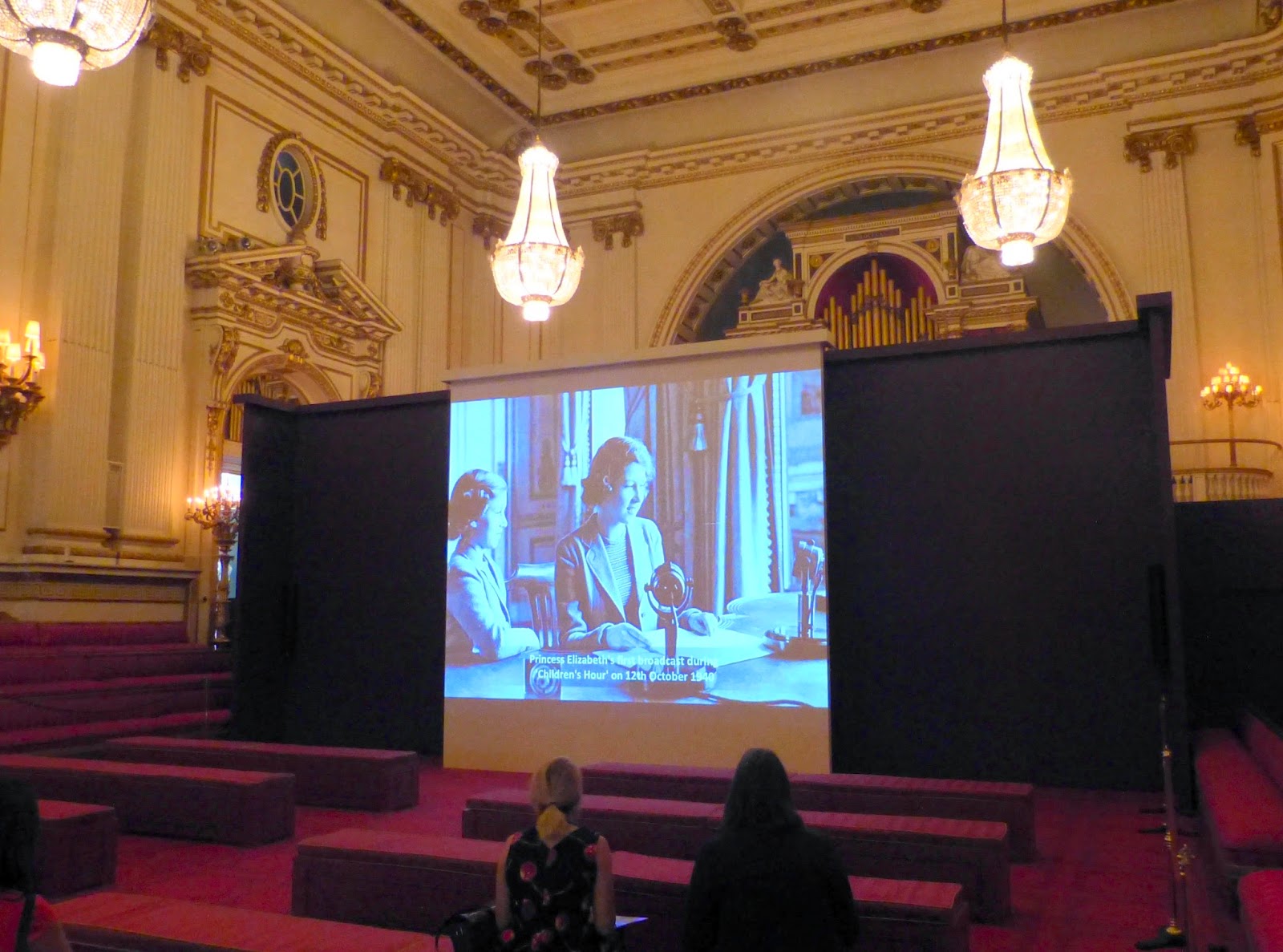
The exhibition included some footage of the Queen and Princess Margaret as girls and also of the Queen’s children playing with Prince Philip featuring several of the toys on display. Of the recent items, two stood out for me: a wonderful soldier dressing gown that belonged to the three year old Prince Harry and a miniature replica of James Bond’s car that was given to Prince Andrew in 1966, complete with revolving number plates, toy machine guns behind the side-lights and a working smoke screen.

Miniature replica of James Bond's car (1966)
A worthwhile visit

I thoroughly enjoyed the treat of going round the state rooms of Buckingham Palace with only a handful of people instead of hundreds of other visitors. Although the Royal Childhood exhibition did not fulfil my craving for information about the Georgian royals, it was a well-presented display and I found the film clips showing the toys in use particularly engaging.

The palace was also geared up for children with a new family multimedia guide instead of the regular audio guide to the state rooms and a new family pavilion in the gardens with children’s activities.

Footage about the Queen as a child being shown in The Ballroom
Around the palace

And there was more about the childhood of the Georgian royals apart from the exhibition. There were various portraits around the palace depicting George IV and his siblings as children. In particular, there was a charming portrait of Princesses Mary, Sophia and Amelia in the Green Drawing Room, with Mary waving her tambourine and dogs joining in the game. There was also a ‘baby house’ or doll’s house played with by the Princesses in the 1780s on display.

Buckingham Palace as a whole has so much to offer the Georgian enthusiast. The original house was bought by George III for Queen Charlotte and much of the palace was designed by John Nash under commission from George IV. I did not count how many portraits of George IV were on display, but there seemed to be more of him than of anyone else!

More about the exhibition on the Royal Collection website.

All photographs © Andrew Knowles

Wednesday, 23 July 2014

Saltram - a Regency History guide

Saltram
Saltram (2014)

Saltram is a Georgian mansion just outside Plymouth in Devon.

History

Before the civil war, Saltram was owned by the Bagge family. One of them, James Bagge, was a particularly disreputable character. He was an intimate friend of James I’s favourite, the Duke of Buckingham, who was a frequent visitor at Saltram, but he died in disgrace in 1638 after embezzling funds entrusted to him to supply the King’s fleet.

His son George was more respectable and became Deputy Governor of Plymouth, but as a Royalist, he had to forfeit the estate to Parliament after the civil war. When the monarchy was restored, the estate was given to Sir George Carteret who sold it to George Parker, a wealthy squire from Boringdon, in 1712.

The house remained in the Parker family until it was given to HM Treasury in lieu of death duties in 1957 and then passed into the care of the National Trust.

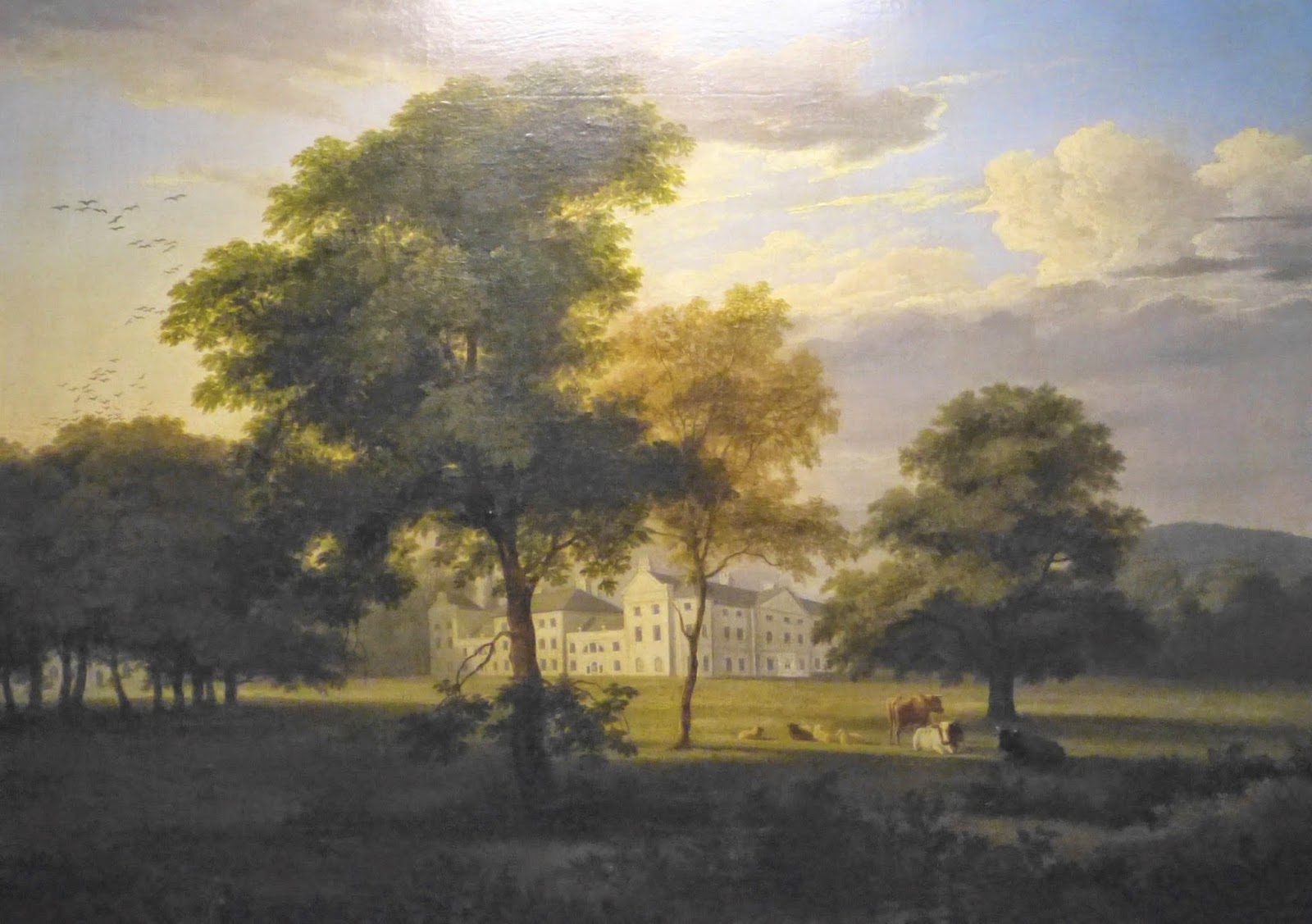
Saltram from the South West by Philip Hutchins Rogers (c1813)
The Georgian connection

John Parker I (1703-1768)

George Parker bought Saltram in 1712 and let the house to tenants. His son John inherited in 1743, and he and his wife Catherine, daughter of the 1st Earl Poulett, decided to make Saltram their home. The house they inherited was a three-storey house built around a central courtyard. They commissioned a local architect to give the house a new look by adding three distinct classical façades to the existing building and they extensively remodelled the interior.

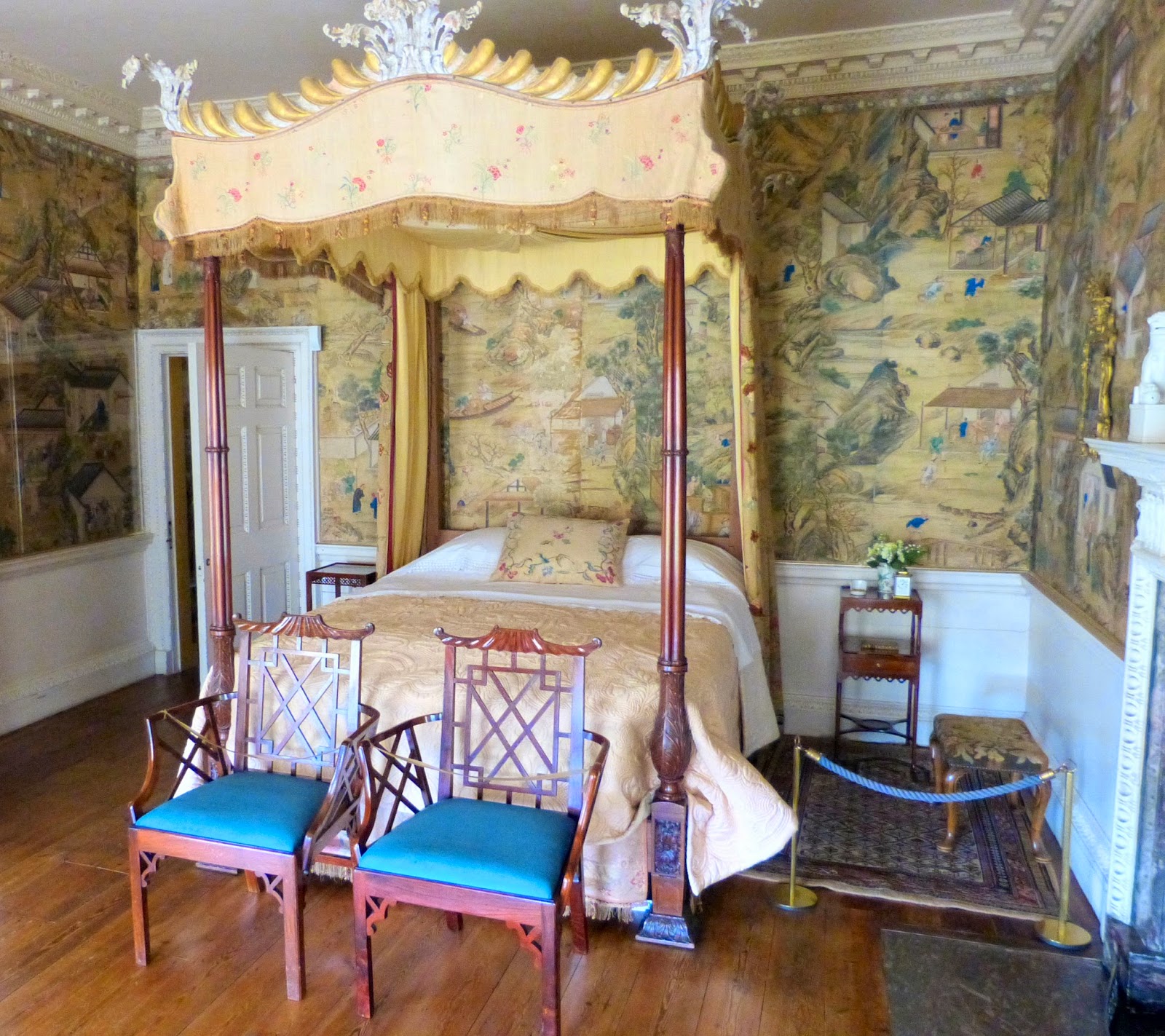
Lady Catherine had superior taste and was an early patron of Sir Joshua Reynolds who came from nearby Plympton. She was almost certainly responsible for the introduction of the fashionable Chinese wallpapers used in several of the first floor rooms.
 
 
Chinese wallpaper, The Chinese Bedroom, Saltram
Chinese wallpaper, The Chinese Bedroom, Saltram (2014)
John Parker II (1734/5-1788)

John Parker II was MP for Bodmin and then Devon and was made 1st Baron Boringdon in 1784. He lived at Saltram with his second wife, Theresa Robinson, and continued to remodel the house and gardens. He appointed Robert Adam to design the Saloon and Library (now the Dining Room), and added new features to the gardens, such as the Orangery. John was good friends with Sir Joshua Reynolds who often visited Saltram and painted a number of portraits for the family.
 

John Parker, 1st Baron Boringdon  by Sir Joshua Reynolds (1767)
John Parker, 1st Baron Boringdon
by Sir Joshua Reynolds (1767)
John Parker III (1772-1840)

John Parker III’s mother died when he was three years old and his aunt, Anne “Nanny” Robinson, looked after him and his sister Theresa at Saltram. He inherited on his father’s death in 1788, before he had reached his majority. George III and Queen Charlotte stayed at Saltram in August 1789 whilst they visited Plymouth and the surrounding area.

John married twice, firstly to Augusta Fane who scandalously eloped with Sir Arthur Paget, and secondly to Frances Talbot. In 1815, John was made Viscount Boringdon and Earl of Morley.

What can you see today?

• The Georgian façade of Saltram

Entrance to Saltram
Entrance to Saltram (2014)
 • Portraits by Sir Joshua Reynolds, such as this one of John Parker III and his sister Theresa as children.

John Parker, later 1st Earl of Morley, and his sister Theresa by Sir Joshua Reynolds (1779)
John Parker, later 1st Earl of Morley, and his sister Theresa
by Sir Joshua Reynolds (1779) (Photo 2014)

• Portraits by Angelica Kauffman, such as this self-portrait. 

Angelica Kauffman painted by herself (c1764) Photo 2023
Angelica Kauffman painted by herself (c1764) (Photo 2023)

• The Saloon designed by Robert Adam. 

The first picture shows the original carpet. The second is from our visit in 2023, when part of the carpet is covered by a replica to enable visitors to enter the room. The colours of the replica were less vibrant than the original, and did not match up exactly because the original had stretched over time.

The Saloon, Saltram (2014)


The Saloon, Saltram (2023)

 • The Dining Room designed by Robert Adam. It was originally the Library.

The Dining Room, Saltram (originally The Library)
The Dining Room, Saltram (2014)
 • Rare Chinese wallpaper in several of the upstairs rooms

The Chinese Bedroom, Saltram
The Chinese Bedroom, Saltram (2014)
 • The Library, with a writing desk dating from c1700 believed to have belonged to Louis XIV.

The Library, Saltram
The Library, Saltram (2014)
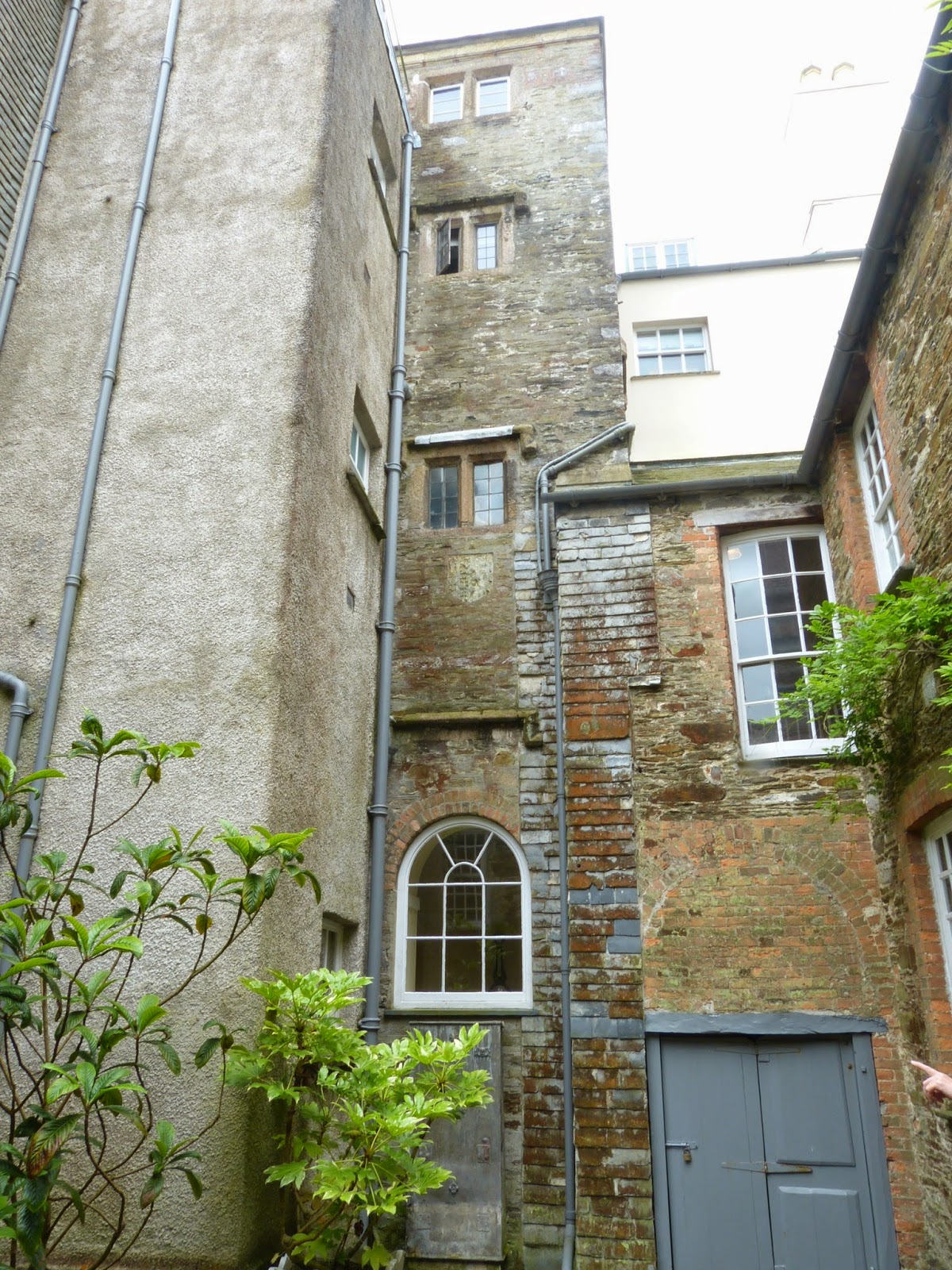
 • The Tudor courtyard, showing a glimpse of the original building.

Tudor courtyard, Saltram
Tudor courtyard, Saltram (2014)
 • The Orangery.

The Orangery, Saltram
The Orangery, Saltram (2014)
 • The Amphitheatre on the banks of the river, thought to date from pre 1743.

The Amphitheatre, Saltram, from across the river
The Amphitheatre, Saltram, from across the river (2014)
Last visited: June 2023.

Headshot of Rachel Knowles author with sea in background(2021)
Rachel Knowles writes faith-based Regency romance and historical non-fiction. She has been sharing her research on this blog since 2011. Rachel lives in the beautiful Georgian seaside town of Weymouth, Dorset, on the south coast of England, with her husband, Andrew.

Find out more about Rachel's books and sign up for her newsletter here.

If you have enjoyed this blog and want to encourage us and help us to keep making our research freely available, please buy us a virtual cup of coffee by clicking the button below.

Sources used include:
Courthope, William, editor, Debrett's Complete Peerage of the United Kingdom of Great Britain and Ireland (1838)
Evans, Sian, Saltram (National Trust 2012)
Fletcher, Ronald, The Parkers at Saltram 1769-1789 (BBC 1970)

All photographs © Andrew Knowles - RegencyHistory.net