Search this blog

Showing posts with label MP. Show all posts

Friday, 24 July 2015

Clandon Park - remembering the house before the fire

Clandon Park - front entrance (July 2014) © Andrew Knowles
Never the same again

On 24 July 2014, my husband, Andrew, and I visited Clandon Park, Surrey, in the blazing sunshine. Today, it is pouring with rain and Clandon is but a shadow of the house we looked round, having being gutted by fire in April 2015. I always meant to blog about Clandon, but we visited so many National Trust properties last summer that I did not get around to it.

Since our visit, I have used Clandon in my writing - there is a brief reference to Clandon Park in A Perfect Match. I invented a friendship between Lord Onslow (George Onslow – see below) and my character, the Duke of Wessex, and planned for the Duke to pay his old friend a visit on the way to London.

One year on, I thought I would revisit Clandon Park with the aid of my guidebook. Sadly, we were only allowed to take pictures in the Marble Hall, so our photographic record is limited to that room and external views of the house.

Capitals in the gardens at Clandon Park (July 2014) © Andrew Knowles
The Onslows of Clandon Park

Clandon Park has belonged to the Onslows since 1641. The Onslow family has a particular claim to fame: they have provided three Speakers for the House of Commons: Richard Onslow, The Black Speaker (1528-71); Sir Richard Onslow, 1st Baron Onslow (1654-1717); and Arthur Onslow, Great Speaker (1691-1768).

Sir Richard, 1st Baron Onslow, was probably responsible for laying out the formal gardens, but it was his son, Sir Thomas Onslow, 2nd Baron Onslow, speaker Arthur’s elder brother, who built the house that we visited last year.

Clandon Park - rear entrance (July 2014) © Andrew Knowles
The building of Clandon Park

Sir Thomas commissioned the Italian architect Giacomo Leoni to rebuild Clandon in his version of the Palladian style, financed by his advantageous marriage to the Jamaican heiress Elizabeth Knight. The building work probably took place during the 1720s and was designed to impress as well as entertain his guests. His visitors included royalty - Frederick, Prince of Wales, George III’s father, dined at Clandon on 27 May 1729.

Clandon Park, Surrey from Select Illustrations of the County of Surrey by GF Prosser (1828)
Clandon Park, Surrey
from Select Illustrations of the County of Surrey by GF Prosser (1828)
The Georgian Onslows of Clandon Park

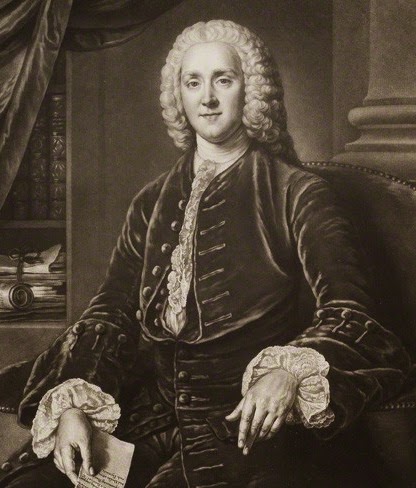
Sir Thomas Onslow, 2nd Baron Onslow (1679-1740), who built Clandon Park.

Richard, 3rd Baron Onslow (1713-76), Sir Thomas’ son, who had an unhappy marriage and died childless.

George Onslow, 1st Earl of Onslow (1731-1814), Richard’s cousin and son of the Great Speaker, Arthur Onslow. George was a very enthusiastic MP who frequently changed his loyalties to both people and policies. After his elevation to the House of Lords, he held posts in George III’s household, culminating in his appointment as a Lord of the Bedchamber in 1780. George employed Capability Brown to landscape the park and made alterations inside the house in the Neo-classical style.

George Onslow, 1st Earl of Onslow  from The History of White's   by Hon Algernon Bourke (1892)
George Onslow, 1st Earl of Onslow
from The History of White's
 by Hon Algernon Bourke (1892)
Thomas Onslow, 2nd Earl of Onslow (1754-1827), George’s eldest surviving son. He was known as ‘little Tom Onslow’ because of his height. Thomas was a close friend of the future George IV until 1790. He wrote poetry and loved to play practical jokes. But his real passion was horses, and he delighted in assuming the role of coach driver, as was fashionable amongst young men of the time. He was very attached to both of his two wives and was a great admirer of Mrs Bouverie.

Clandon Park was given to the National Trust in 1956. Nearly all the house was destroyed by a fire that broke out in the basement on 29 April 2015.

The house

One of the things I liked best about Clandon was the impressive entrance with two flights of stone steps leading to the front door. 
 
Front steps, Clandon Park (July 2014) © Andrew Knowles
Stepping through the front door, we entered the most impressive room in the house - the Marble Hall - which was totally destroyed by the fire. These photographs were taken in July 2014.

The Marble Hall, Clandon Park (July 2014) © Andrew Knowles
The Marble Hall, Clandon Park (July 2014)
© Andrew Knowles
The Marble Hall, Clandon Park (July 2014) © Andrew Knowles - from the description of items salvaged, I think this painting by Francis Barlow was saved
Painting by Francis Barlow
in The Marble Hall, Clandon Park
(July 2014) © Andrew Knowles (1)
The Marble Hall, Clandon Park (July 2014) © Andrew Knowles
The ceiling of the Marble Hall,  Clandon Park (July 2014) © Andrew Knowles
The ceiling of the Marble Hall,
Clandon Park (July 2014) © Andrew Knowles
Chair in the Marble Hall, Clandon Park  (July 2014) © Andrew Knowles (1)
Chair in the Marble Hall, Clandon Park
(July 2014) © Andrew Knowles (1)
Miraculously, the Speakers’ Parlour, designed to celebrate the three Onslow speakers, survived largely intact. See the National Trust website here.

Some of the house’s possessions were rescued in the initial salvage operation including the hangings of the state bed and a painting of the House of Commons by Sir James Thornhill and William Hogarth (1730).

You can see pictures of other rooms at Clandon Park before the fire on the National Trust website here.

Headshot of Rachel Knowles author with sea in background(2021)
Rachel Knowles writes faith-based Regency romance and historical non-fiction. She has been sharing her research on this blog since 2011. Rachel lives in the beautiful Georgian seaside town of Weymouth, Dorset, on the south coast of England, with her husband, Andrew.

Find out more about Rachel's books and sign up for her newsletter here.

If you have enjoyed this blog and want to encourage me and help me to keep making my research freely available, please buy me a virtual cup of coffee by clicking the button below.


Note
(1) From the description of items salvaged from the fire here, I believe these objects were saved.

Sources used include:
Barker, GFR, revised Smith, EA, Onslow, George, 1st Earl of Onslow (1731-1814), Oxford Dictionary of National Biography (Oxford University Press, 2004; online edn Jan 2008, accessed 24 July 2015)
Chessum, Sophie and Rowell, Christopher, Clandon Park (National Trust guidebook) (2002, rev 2014)

History of Parliament online
National Trust website

All photographs © RegencyHistory 

Tuesday, 28 April 2015

The Prime Ministers of George III (1760-1820)

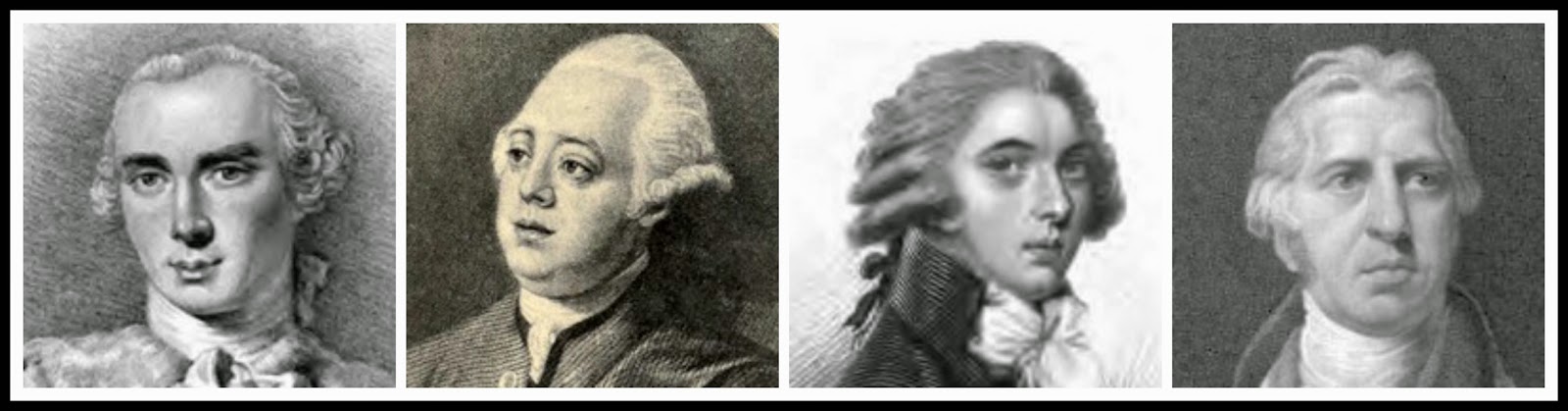
4 Prime Ministers of George III  From left to right: Lord Bute, Lord North,William Pitt the Younger, Lord Liverpoo
Four of the Prime Ministers of George III
Left to right: Lord Bute, Lord North,William Pitt the Younger, Lord Liverpool (2)
George III is still the longest reigning British King, ruling from 1760 to 1820. He had 14 different Prime Ministers over those 60 years—six Tories and eight Whigs. They included two pairs of fathers and sons: William Pitt the Elder and his son William Pitt the Younger, and George Grenville and his son William Wyndham Grenville. They also included the only British Prime Minister ever to be assassinated—Spencer Perceval.

Find my guides to the Prime Ministers of George IV here and William IV here.

George III's Prime Ministers

Thomas Pelham-Holles, 1st Duke of Newcastle
Whig – 1757-1762

Thomas Pelham-Holles,  1st Duke of Newcastle-under-Lyne  by William Hoare (c1752) © NPG 757 (1)
Thomas Pelham-Holles,
1st Duke of Newcastle-under-Lyne
Pastel by William Hoare (c1752)
© NPG 757 (1)
John Stuart, 3rd Earl of Bute
Tory – 1762-1763

Lord Bute from The Historical and Posthumous Memoirs of Sir Nathaniel Wraxall (1884)
Lord Bute from The Historical and Posthumous
Memoirs of Sir Nathaniel Wraxall (1884)
George Grenville
Whig – 1763-1765

George Grenville  by and published by Richard Houston  after William Hoare mezzotint (c1750-75)  © NPG D20047 (cropped) (1)
George Grenville
by and published by Richard Houston
after William Hoare mezzotint (c1750-75)
© NPG D20047 (cropped) (1)
Charles Watson-Wentworth, 2nd Marquess of Rockingham
Whig – 1765-1766

Charles Watson-Wentworth,2nd Marquess  of Rockingham after Sir Joshua Reynolds,  oil on canvas, feigned oval (c1768)  © NPG 406 (1)
Charles Watson-Wentworth, 2nd Marquess
of Rockingham, after Sir Joshua Reynolds,
oil on canvas, feigned oval (c1768)
© NPG 406 (1)
William Pitt the Elder, 1st Earl of Chatham
Whig – 1766-1768

William Pitt, 1st Earl of Chatham,  studio of William Hoare, oil on canvas (c1754)  © NPG 1050 (1)
William Pitt, 1st Earl of Chatham,
studio of William Hoare, oil on canvas (c1754)
© NPG 1050 (1)
Augustus Henry Fitzroy, 3rd Duke of Grafton
Whig – 1768-1770

Augustus Henry Fitzroy, 3rd Duke of Grafton,  by Pompeo Batoni, oil on canvas,   feigned oval (1762) © NPG 4899
Augustus Henry Fitzroy, 3rd Duke of Grafton,
by Pompeo Batoni, oil on canvas,
feigned oval (1762) © NPG 4899 (1)
Lord Frederick North, 2nd Earl of Guildford
Tory – 1770-1782

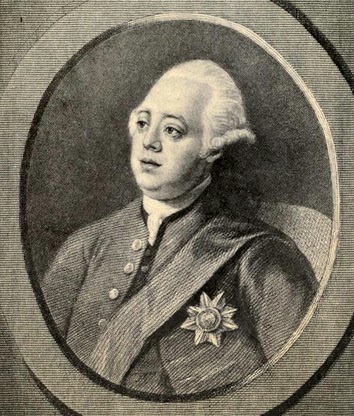
Frederick, Lord North,  from The Last Journals of Horace Walpole (1910)
Frederick, Lord North,
from The Last Journals of Horace Walpole (1910)
Charles Watson-Wentworth, 2nd Marquess of Rockingham
Whig – 1782 (2nd term of office)

Charles Watson-Wentworth, 2nd Marquess  of Rockingham, after Sir Joshua Reynolds,  oil on canvas, feigned oval (c1768)  © NPG 406 (1)
Charles Watson-Wentworth,
2nd Marquess of Rockingham
(Details as above)
William Petty, 1st Marquess of Lansdowne (Lord Shelburne)
Whig – 1782-1783

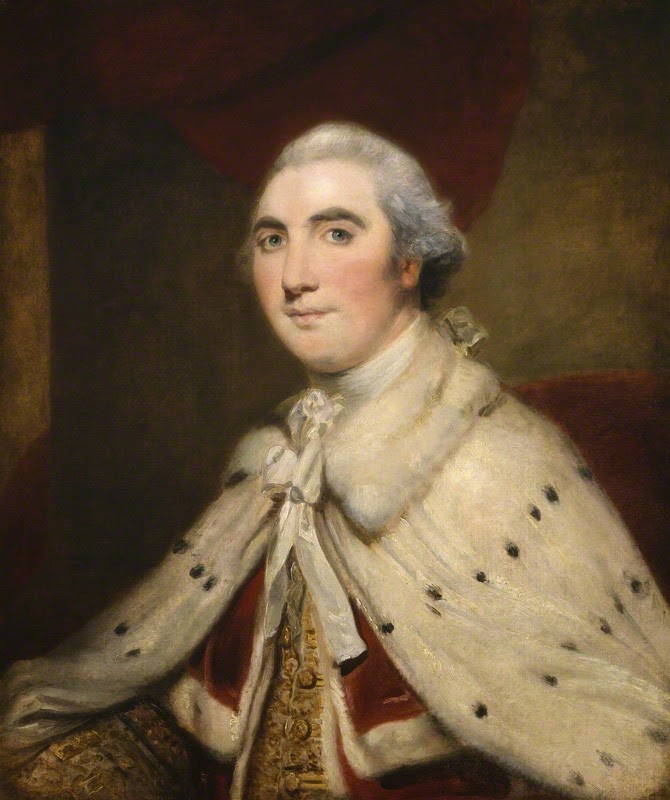
William Petty, 1st Marquess of Lansdowne,  (Lord Shelburne) after Sir Joshua Reynolds  oil on canvas 1766 © NPG43 (1)
William Petty, 1st Marquess of Lansdowne,
(Lord Shelburne) after Sir Joshua Reynolds
oil on canvas (1766) © NPG 43 (1)
William Henry Cavendish Bentinck, 3rd Duke of Portland
Whig – 1783

William Henry Cavendish Bentinck,   3rd Duke of Portland, by William Evans   after Sir Joshua Reynolds, stipple engraving  pub 1811 ©NPG D31637 (Cropped & lightened) (1)
William Henry Cavendish Bentinck,
3rd Duke of Portland, by William Evans
after Sir Joshua Reynolds, stipple engraving
pub 1811 ©NPG D31637 (Cropped & lightened) (1)
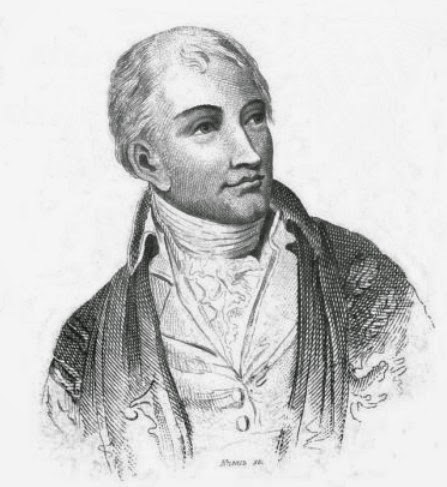
William Pitt the Younger 
Tory – 1783-1801

William Pitt the Younger from Posthumous Memoirs of his own time by N Wraxall (1836)
William Pitt the Younger
from Posthumous Memoirs of his own time
by N Wraxall (1836)
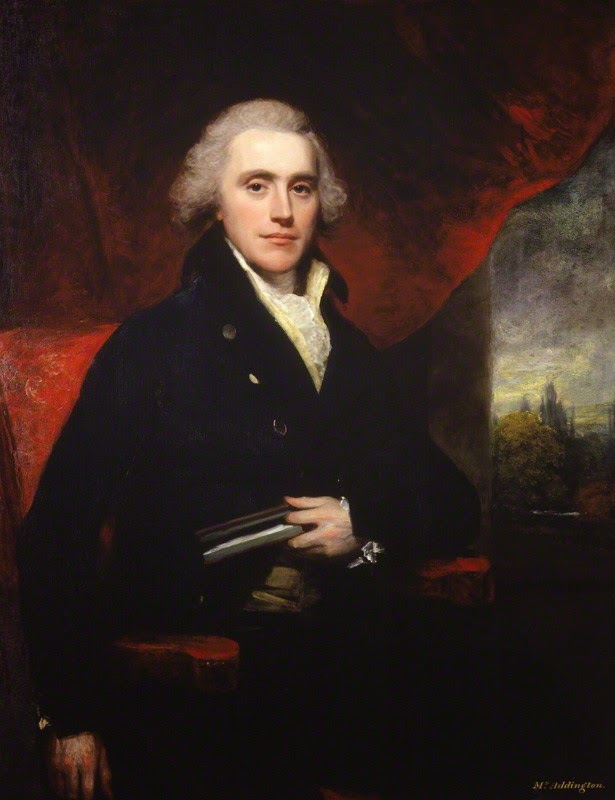
Henry Addington, 1st Viscount Sidmouth 
Tory – 1801-1804

Henry Addington, 1st Viscount Sidmouth  by Sir William Beechey, oil on canvas  engraved 1803 © NPG 5774 (1)
Henry Addington, 1st Viscount Sidmouth
by Sir William Beechey, oil on canvas
engraved 1803 © NPG 5774 (1)
William Pitt the Younger 
Tory – 1804-1806 (2nd term of office)

William Pitt the Younger from Posthumous Memoirs of his own time by N Wraxall (1836)
William Pitt the Younger
(details as above)
William Wyndham Grenville, 1st Baron Grenville
Whig – 1806-1807

William Wyndham Grenville,  1st Baron Grenville by John Hoppner  oil on canvas (c1800)  © NPG318 (lightened) (1)
William Wyndham Grenville,
1st Baron Grenville by John Hoppner
oil on canvas (c1800)
© NPG 318 (1)
William Henry Cavendish Bentinck, 3rd Duke of Portland
Whig – 1807-1809 (2nd term of office)

William Henry Cavendish Bentinck,  3rd Duke of Portland, by William Evans  after Sir Joshua Reynolds, stipple engraving  pub 1811 ©NPG D31637 (Cropped & lightened) (1)
William Bentinck, 3rd Duke
of Portland (details as above)
Spencer Perceval
Tory – 1809-1812

Spencer Perceval,  from The Life and Administration of the Right Hon Spencer Perceval  by Charles Williams (1813)
Spencer Perceval,
from The Life and Administration
of the Right Hon Spencer Perceval

by Charles Williams (1813)
Read about Spencer Perceval's assassination here. 

Robert Banks Jenkinson, 2nd Earl of Liverpool 
Tory – 1812-1827

Lord Liverpool, from the   European Magazine and London Review (1818)
Lord Liverpool, from the 
European Magazine and London Review (1818)
Notes
(1) These pictures are © National Portrait Gallery and are displayed under a Creative Commons licence.
(2) For source details of pictures in collage, see under the relevant Prime Minister above.

Sources used include:
Government website - past Prime Ministers
National Portrait Gallery website

Wednesday, 6 August 2014

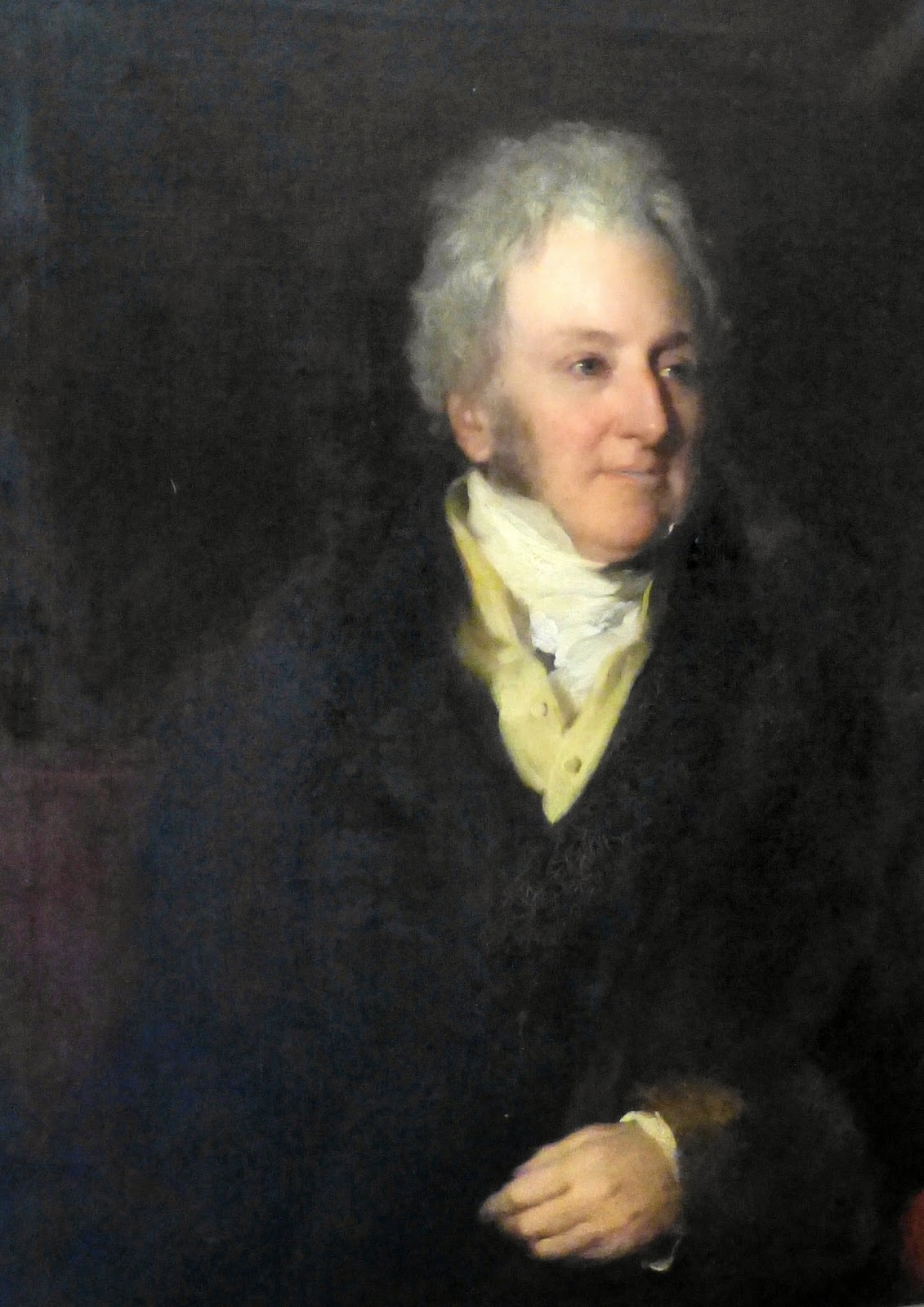
John Parker of Saltram, 1st Earl of Morley (1772-1840)

John Parker, 1st Earl of Morley  by Frederick Richard Say (1830)
John Parker, 1st Earl of Morley
by Frederick Richard Say (1830)
Profile

John Parker, 1st Earl of Morley, (3 May 1772 – 14 March 1840) was the owner of the Saltram estate in Devon and an active member of the House of Lords in favour of parliamentary reform. His first wife, Augusta Fane, notoriously eloped with Sir Arthur Paget. 

Family background

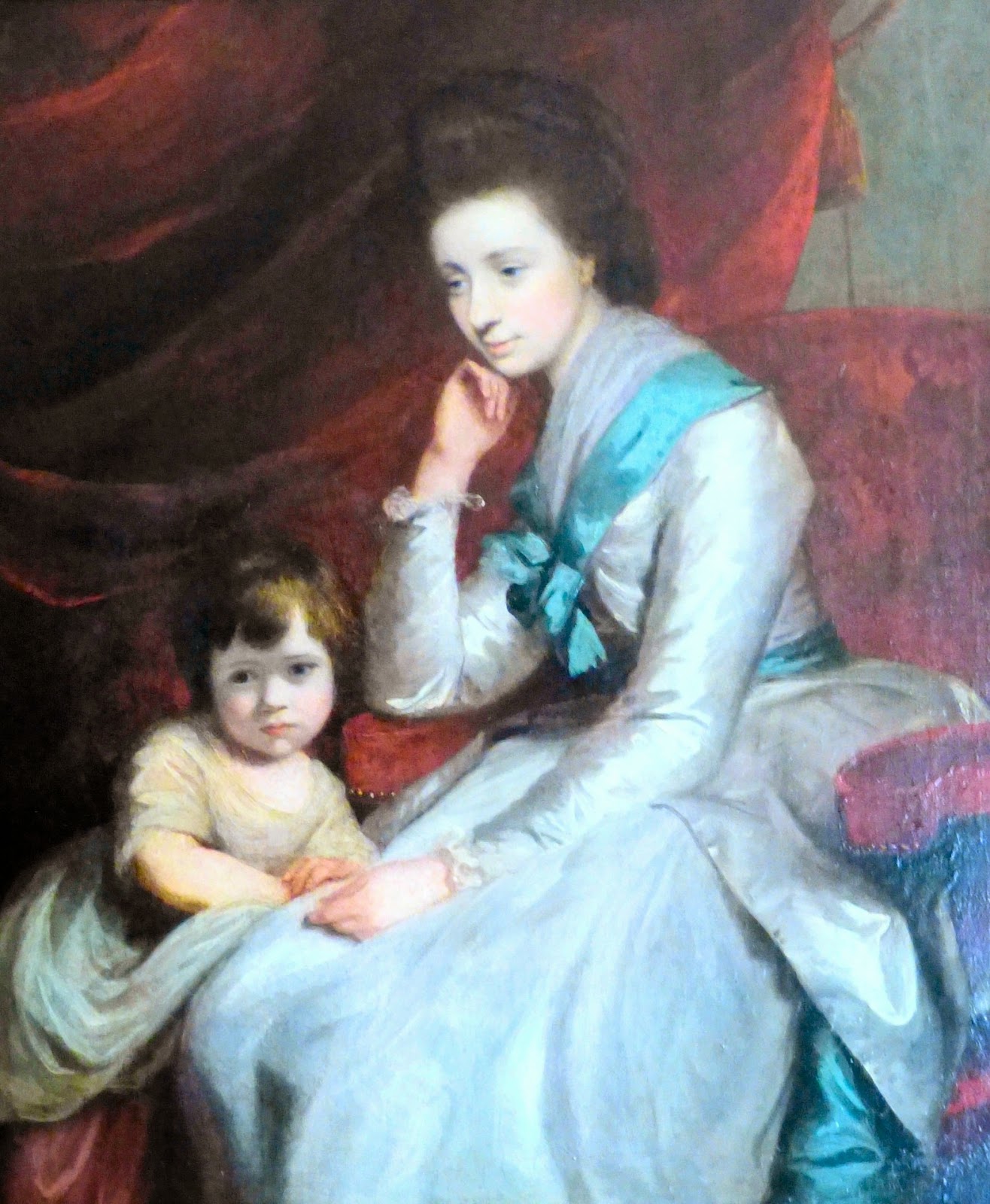
Theresa Parker and Little Jack by Sir Joshua Reynolds (c1775)
John Parker, known as Jack, was born on 3 May 17721, the only son of John Parker, 1st Baron Boringdon, of Saltram in Devon, and his wife Theresa Robinson, a younger daughter of the 1st Lord Grantham. His parents were advocates of inoculation and when he was two years old, he was inoculated against the smallpox at a cost of £42. 
 
His mother died in 1775, shortly after the birth of his sister, Theresa, and his aunt, Anne “Nanny” Robinson, came to Saltram to look after them.

Anne "Nanny" Robinson  by John Downman (1780)
Anne "Nanny" Robinson
by John Downman (1780)
Education

Jack was educated at Plympton School and then at Dr Whyte’s boarding school in Hammersmith where the schoolmaster inspired him with a passion for hot air ballooning and he developed an enduring friendship with Granville Leveson-Gower.2 The year before going up to university, he lived in Yorkshire with Frederick “Fritz” Robinson, his mother’s younger brother, accompanied by Dr Andrews, later Dean of Canterbury, as tutor.

Jack went up to Christ Church, Oxford, on 7 April 1789 where he was reunited with his schoolfriend, Granville Leveson-Gower.3 He joined the Literati and became friends with George Canning and Lord Henry Spencer.

Lord Granville Leveson-Gower     from Lord Granville's Private Correspondence (1916)
Lord Granville Leveson-Gower
    from Lord Granville's Private
Correspondence
(1916)
A royal visit

In August 1789, George III and Queen Charlotte visited Plymouth and stayed at Saltram for 12 days.

George III   from Memoirs of Queen Charlotte  by WC Oulton (1819)
George III
 from Memoirs of Queen Charlotte
by WC Oulton (1819)
The Grand Tour

In 1793, Jack embarked on a Grand Tour with a party which included Lord Amherst, Granville Leveson Gower and George Canning. They visited Paris, Geneva, Genoa, Florence, Rome and Venice as well as parts of Germany and the Low Countries and St Petersburg in Russia.

Lady Elizabeth Monck

In Naples, Jack became involved with the enchanting Lady Elizabeth Monck whilst Granville Leveson-Gower pursued Harriet, Lady Bessborough. Lady Elizabeth was the second daughter of Arthur Saunders, 2nd Earl of Arran, and was married with two daughters, but her husband was complaisant and neglected her for drinking and gambling. 
 
Jack started a long-lasting affair with Lady Elizabeth which resulted in the birth of three illegitimate sons who took the name Stapleton: John (1797), George (1799) and Augustus (1800).

A noble title

Jack inherited his father’s estate and title in 1788, becoming 2nd Baron Boringdon when he was only 16 years old. He was gazetted lieutenant-colonel of the North Devon militia in 1794 and colonel in 1799. He was elected a fellow of the Royal Society in 1795.

On 29 November 1815, Jack was made Viscount Boringdon of North Molton, Devon, and Earl of Morley.

The family arms above the entrance to Saltram
A scandalous elopement

Lady Elizabeth Monck divided her time between Jack and her husband, but her relationship with Jack broke down when she refused to get a divorce so she could marry him.

On 20 June 1804, Jack married Augusta Fane, second daughter of the 10th Earl of Westmorland and sister to Sarah Sophia, later Countess of Jersey. They had one son, Henry Villiers (1806), but the marriage was not a success. Jack was pompous and egotistical and Augusta despised her unfaithful husband and resented his ongoing relationship with Lady Elizabeth Monck.

To Jack’s annoyance, one of his university friends, Sir Arthur Paget, a politician and diplomat and son of Henry, 1st Earl of Uxbridge, began to show an interest in Augusta. The feelings were reciprocated and on 18 May 1808, Augusta caused a scandal by eloping with Sir Arthur Paget. They were married immediately after Jack divorced her by Act of Parliament on 14 February 1809.

A second marriage

On 21 August 1809, Jack married Frances Talbot.4 Frances had no fortune or title to recommend her, but she was a very charming lady who readily embraced not only her stepson, but also Jack’s illegitimate children. Jack and Frances had two children of their own, Edmund and Caroline. Sadly, Jack’s son by his first marriage died suddenly in 1817 and Caroline died a year later.

Frances Parker (née Talbot)  by Frederick Richard Say (1830)
Frances Parker (née Talbot)
by Frederick Richard Say (1830)
Political reformer

Jack took his seat in the House of Lords at an early age and was active in the debates. He supported the Tory government of William Pitt the Younger until his death and then backed George Canning, with whom he regularly corresponded. On two occasions, he tried to introduce a bill to promote vaccination as a means of controlling smallpox, but was forced to withdraw it, the second time because the Lord Chancellor said that spreading infection was punishable under common law! After Canning’s death in 1827, Jack allied himself with the Whigs and became a firm supporter of parliamentary reform.

Expensive developments

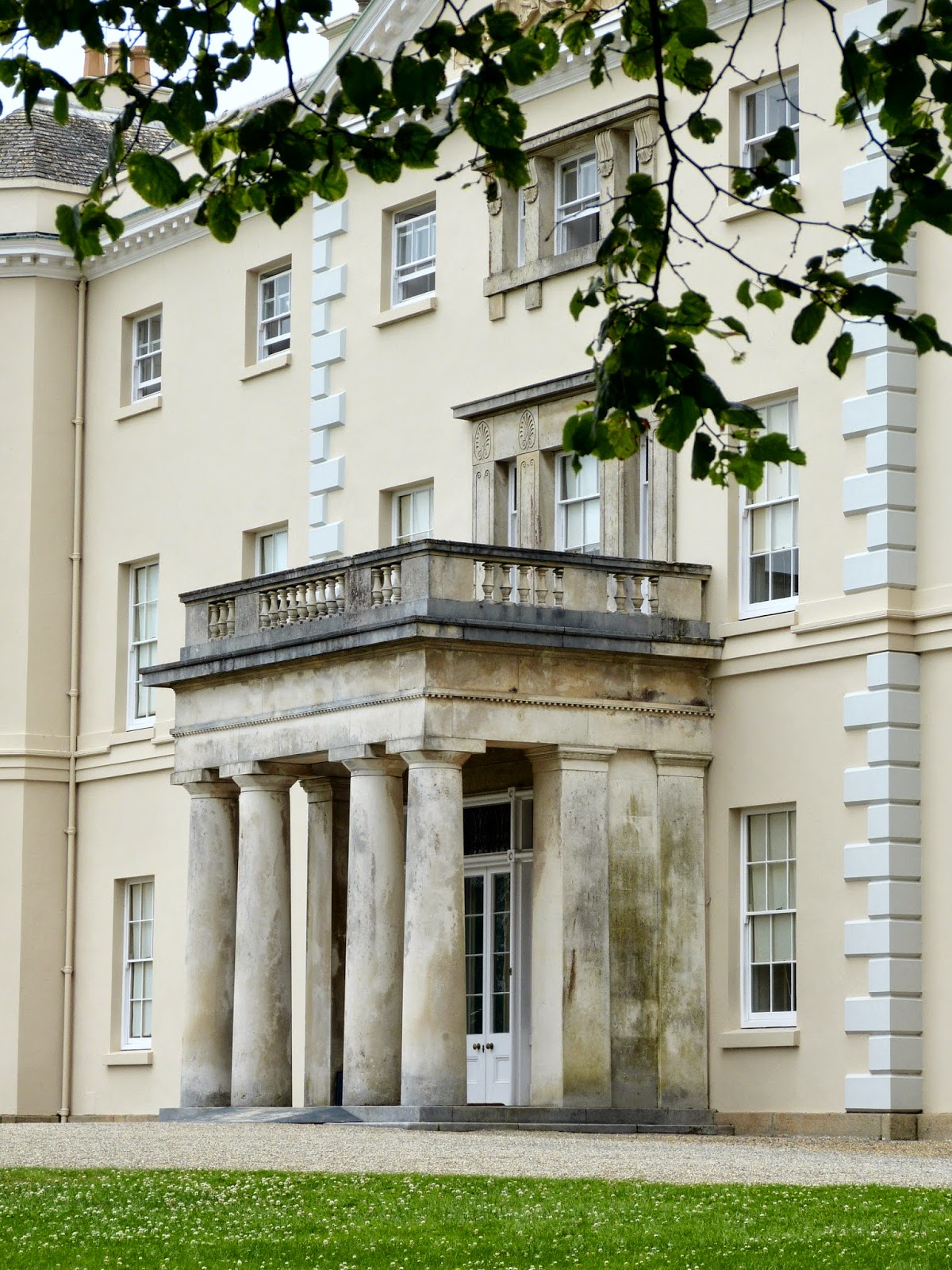
Jack commissioned the architect John Foulston to create a new entrance to Saltram House in the Greek Revival style and expand the library.

The entrance to Saltram House

On his estates, Jack reclaimed areas of marshland at a cost of £15,000 in order to build a racecourse. He built a cast-iron toll bridge across the Laira and a shipbuilding yard at Cattedown for naval and commercial ships.

Jack owned the Cann slate quarries and built a canal and tramway which linked to the Plymouth and Dartmoor Tramway. These engineering projects were not always financially successful, and on his death, he left behind debts of £258,000.

Death

John died at Saltram on 14 March 1840. He was succeeded by his only surviving legitimate child, Edmund. Frances outlived her husband by 17 years and died at Saltram in 1857 after a short illness.

Headshot of Rachel Knowles author with sea in background(2021)
Rachel Knowles writes faith-based Regency romance and historical non-fiction. She has been sharing her research on this blog since 2011. Rachel lives in the beautiful Georgian seaside town of Weymouth, Dorset, on the south coast of England, with her husband, Andrew.

Find out more about Rachel's books and sign up for her newsletter here.

If you have enjoyed this blog and want to encourage us and help us to keep making our research freely available, please buy us a virtual cup of coffee by clicking the button below.


Notes
(1) Debrett’s gives date as 5 May 1772.
(2) From The early life of John Parker III - 1st Earl of Morley by AS Rayfield (2014). Rayfield refers to the schoolmaster by the name of Kyte rather than Whyte.
(3) Rayfield gives date as 1791.
(4) Rayfield says 22nd.

Sources used include:
Courthope, William, editor, Debrett's Complete Peerage of the United Kingdom of Great Britain and Ireland (1838)
Evans, Sian, Saltram (National Trust 2012)
Fletcher, Ronald, The Parkers at Saltram 1769-1789 (BBC 1970)
Norgate, G Le G, rev Matthew, HCG, Parker, John, first earl of Morley (1772-1840) Oxford Dictionary of National Biography (Oxford University Press, 2004; online edn May 2009, accessed 21 July 2014)
Rayfield, AS, The early life of John Parker III - 1st Earl of Morley (Blog, 2014)
Viveash, Chris, Lady Morley and the ‘Baron so Bold’, from the Journal of the Jane Austen Society of North America – Persuasions #14 (1992)

All photographs © Andrew Knowles - RegencyHistory.net

Wednesday, 30 July 2014

John Parker of Saltram, 1st Baron Boringdon (1734/5-1788)

John Parker, 1st Baron Boringdon from portrait in the style of Thomas Hudson (1755-60)
John Parker, 1st Baron Boringdon
from portrait in the style of Thomas Hudson (1755-60)
Profile

John Parker, 1st Baron Boringdon (1734/5 – 27 April 1788), was the owner of Saltram near Plymouth in Devon. He was an MP and a great patron and friend of Sir Joshua Reynolds.

Saltram, Devon
Saltram (2014)
Family background and education

John Parker, 1st Baron Boringdon, was born in Devon in 1734/5, the elder son of John Parker of Saltram and his wife Catherine, daughter of the 1st Earl Poulett. Before his parents moved to Saltram, John attended Plympton Grammar School where Sir Joshua Reynold’s father was headmaster.

Plymton Grammar School, Plympton, Devon
Political career

John attended university at Christ Church Oxford with William Petty, later 2nd Earl of Shelburne, and it was through the influence of Lord Shelburne and Lord Bute that John was returned as MP for Bodmin (1761-2) and then Devon (1762-1784). He was made 1st Baron Boringdon in 1784.

A short marriage

On 10 January 1764, John married Frances Hort, a cousin of Lord Shelburne, but sadly Frances became ill and died during a trip to Naples the same year. 
 
Frances Hort by Thomas Hudson (1757-64)
Frances Hort by Thomas Hudson (1757-64)1
Remodelling Saltram

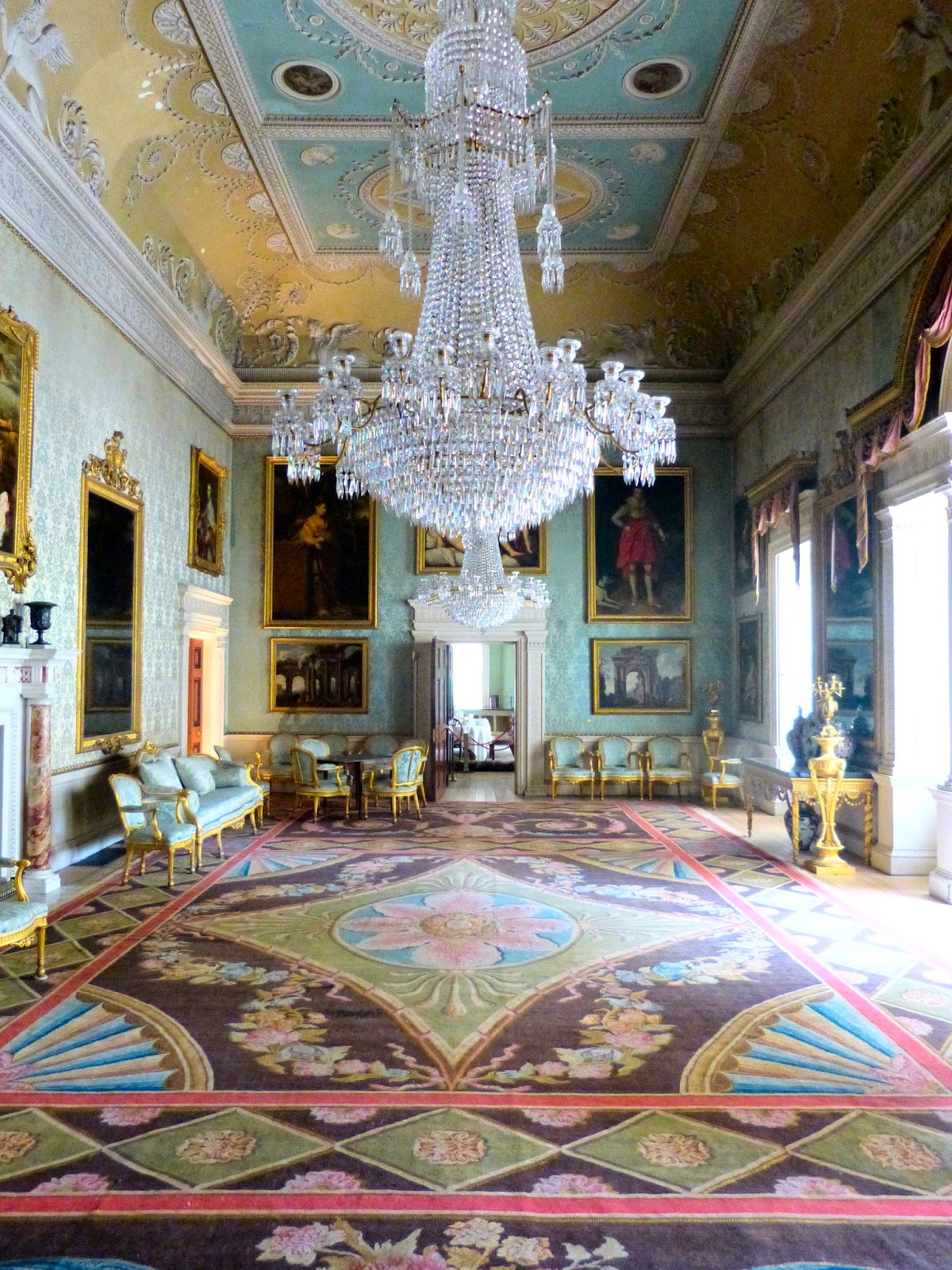
In 1768, John inherited Saltram on the death of his father. Over £32,000 in cash was discovered hidden around the house! With this money, he was able to commission Robert Adam to build two new rooms for Saltram – the Saloon and the Library, which has since been changed into the Dining Room. He also built the Castle and the Orangery and a new estate entrance flanked by stags.

The Saloon at Saltram, designed by Robert Adam
The Saloon, Saltram (2014)
A second marriage

On 18 May 1769, John married Theresa Robinson, a daughter of the 1st Lord Grantham.

Theresa Parker and Little Jack by Sir Joshua Reynolds (c1775)
Theresa Parker and Little Jack
by Sir Joshua Reynolds (c1775)
They were very happy together, dividing their time between London and Saltram. They had two children, John and Theresa, but John’s wife became ill shortly after the birth of their daughter and died in 1775. John was devastated. His wife’s elder sister, Anne – “Aunt Nanny” – came to live at Saltram to look after the children.

Anne "Nanny" Robinson  by John Downman (1780)
Anne "Nanny" Robinson
by John Downman (1780)
A gentleman’s lifestyle

John was well-suited to the life of the country gentleman, riding, shooting and hunting over the countryside. He enjoyed playing cards and had a passion for gambling, whether at his London clubs, casually placing bets with his friends or at the races.

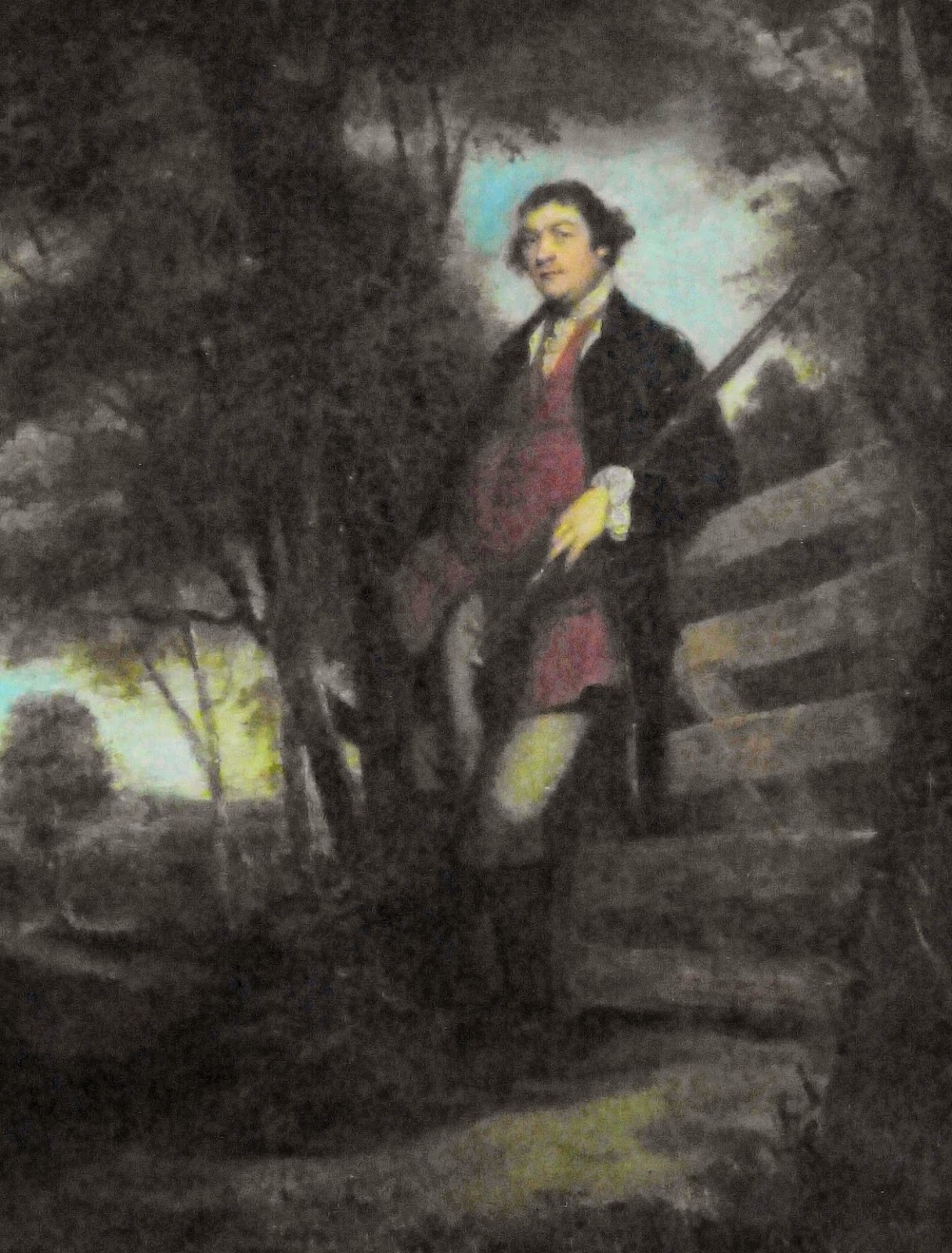
John Parker, 1st Baron Boringdon  by Sir Joshua Reynolds (1767)
John Parker, 1st Baron Boringdon
by Sir Joshua Reynolds (1767)
Horseracing

One of John’s biggest extravagances was his stables. He was very fond of horseracing and bred a number of successful racehorses. In 1783, his horse, Saltram, won the Derby at Epsom. It cost 50 guineas to enter the race with prize money of 900 guineas. The jockey wore the Parker colours of green shirt and breeches with a black cap. The horse was painted by John Nost Sartorius in the year of its famous victory.

"Saltram" by John Nost Sartorius (1783)
Another successful horse, Anvil, was sold to the Prince of Wales in 1784 for 800 guineas. Sartorius painted this horse and its jockey, Charles Handley, with Newmarket racecourse in the background.

"Anvil" by John Nost Sartorius (1783)
Friendship with Sir Joshua

John was great friends with the painter Sir Joshua Reynolds who came from nearby Plympton. Sir Joshua had painted a number of portraits for John’s parents and John continued to be his patron and friend. When in London, John often stayed with Sir Joshua and was introduced to his circle of friends, including Samuel Johnson, David Garrick and James Boswell.

Sir Joshua Reynolds by Angelica Kauffman (1767)
Illness and death

Towards the end of his life, John suffered increasingly from gout and “the bleeding of his chest.”2. He died on 27 April 1788 and was buried in St Mary’s Church, Plympton. His work on the house and gardens, inefficient estate management, his horses and his gambling left behind a huge debt of between £56,000 and £58,000.

Headshot of Rachel Knowles author with sea in background(2021)
Rachel Knowles writes faith-based Regency romance and historical non-fiction. She has been sharing her research on this blog since 2011. Rachel lives in the beautiful Georgian seaside town of Weymouth, Dorset, on the south coast of England, with her husband, Andrew.

Find out more about Rachel's books and sign up for her newsletter here.

If you have enjoyed this blog and want to encourage us and help us to keep making our research freely available, please buy us a virtual cup of coffee by clicking the button below.


Notes
1. Writing on the portrait incorrectly identifies this painting as Lady Catherine Parker. 
2. From The Parkers at Saltram by Ronald Fletcher (1970)

Sources used include:
Courthope, William, editor, Debrett's Complete Peerage of the United Kingdom of Great Britain and Ireland (1838)
Evans, Sian, Saltram (National Trust 2012)
Fletcher, Ronald, The Parkers at Saltram 1769-1789 (BBC 1970)

All photographs © Andrew Knowles - RegencyHistory.net