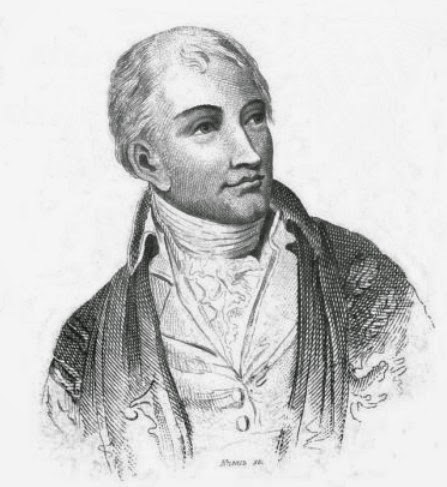
Search this blog

Showing posts with label Tories. Show all posts

Thursday, 7 May 2015

The general election of 1784

The Devonshire, or most approved method of securing votes  by Thomas Rowlandson, published by William Humphrey (1784)  © British Museum
The Devonshire, or most approved method of securing votes
by Thomas Rowlandson, published by William Humphrey (1784)
© British Museum
The background to the election

After the resignation of the loyal Lord North in 1782, George III appointed the Whig Lord Rockingham in his place, but he died within a few months of taking office. Perhaps the most obvious successor for leading the cabinet was Charles James Fox, but George III hated Fox and so appointed his rival, Lord Shelburne, as his Prime Minister. Fox formed a coalition with his previous enemy, Lord North, to force Shelburne’s government to fall.

For a while, the Fox-North coalition was in control, nominally under the leadership of the Duke of Portland. But George III was determined to be rid of Fox. The King announced that he would count as his enemies any who voted in favour of Fox’s East India bill in the House of Lords. By this means, the government was defeated and George III appointed the youthful Tory William Pitt the Younger as his new Prime Minister in December 1783.

In March 1784, as support swung in favour of Pitt’s government and away from Fox, a general election was called.

Read more about the two parties, the Whigs and the Tories, here.

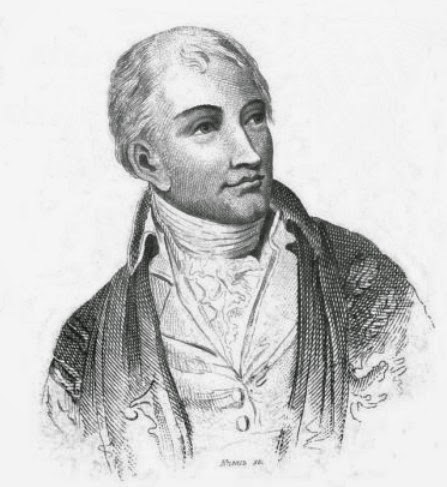
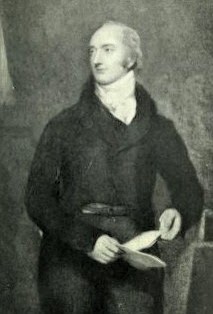
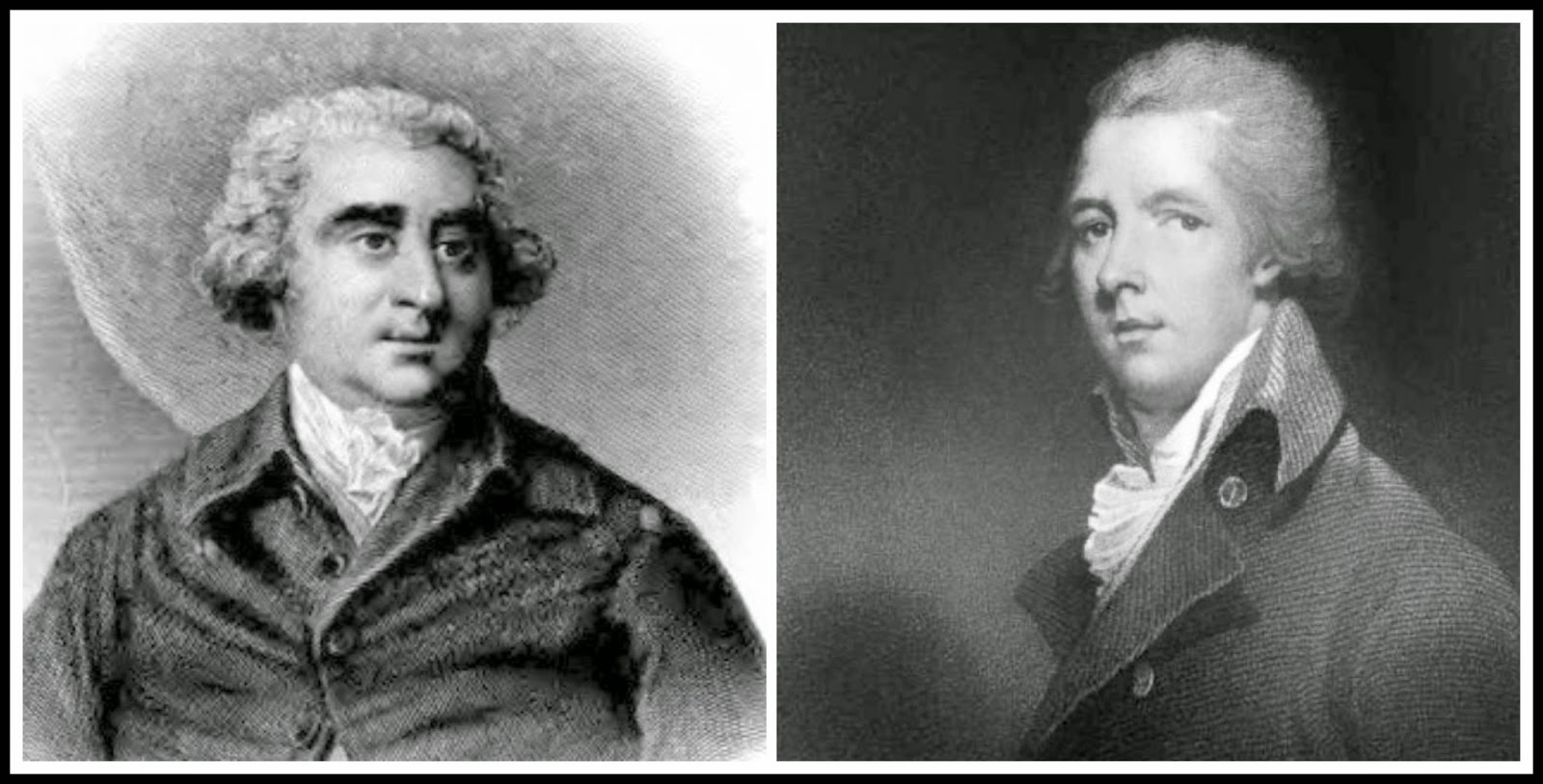
Left: Charles James Fox from The Historical and Posthumous Memoirs   of Sir Nathaniel Wraxall (1884)  Right: William Pitt the Younger from Memoirs of George IV by R Huish (1830)
Left: Charles James Fox from The Historical and Posthumous Memoirs 
of Sir Nathaniel Wraxall (1884)
Right: William Pitt the Younger from Memoirs of George IV by R Huish (1830)
The 1784 election

The electoral system in 1784 was very different from what it is today. The country was not split into areas each returning a single Member of Parliament. Rather, it was a motley system of counties and parliamentary boroughs—towns which had been granted a royal charter which allowed them to elect two Members of Parliament. Changes in population over time had led to some boroughs being in the control of a very small electorate. These became known as rotten boroughs—controlled by a very small electorate—and there were also pocket boroughs, which were effectively controlled by a single landowner. The Universities of Oxford and Cambridge even had their own Members of Parliament!

On top of this, very few adults had the right to vote. You had to be male, Protestant and eligible according to the varying criteria of your particular borough.

It was expected that both parties would use their patronage and wealth to influence the electorate to vote for them. Canvassing in 1784 was not merely about going from door to door encouraging people to vote in your favour; it was about patronage and bribery on a big scale. Even the great abolitionist William Wilberforce started off his political career in 1780 by ‘buying’ the votes of the electorate of Hull at the expected rate of two guineas each.

The Westminster Election

The Westminster hustings in front of St Paul's Church, Covent Garden  from Covent Garden its romance and history by R Jacobs (1913)
The Westminster hustings in front of St Paul's Church, Covent Garden
from Covent Garden its romance and history by R Jacobs (1913)
The most controversial constituency in the 1784 election was the borough of Westminster. This was a borough with a large electorate—an electorate where the votes of the people really counted. Three candidates were standing for the two places in Parliament: Admiral Lord Hood, a popular hero from the American war who supported Pitt; Sir Cecil Wray, who had deserted the Whigs to support the Tory government; and Charles James Fox, leader of the Whig Opposition.

The polling opened on 30 March and closed on 17 May (1). The hustings were set up in Covent Garden, adjacent to the polling booths. Fox and a few associates remained on the platform whilst the rest split up and went out into the area to canvas the voters. It seems that they counted the votes that were placed each day and so there was a running tally as to which candidate was in the lead.

A picture of Covent Garden

An excerpt from a letter written by Hannah More to her sister in 1784 gives a glimpse of the prevailing atmosphere in Westminster:
“A propos of elections – I had like to have got into a fine scrape the other night. I was going to pass the evening at Mrs Cole’s in Lincoln’s Inn Fields. I went in a chair; they carried me through Covent Garden: a number of people, as I went along, desired the men not to go through the Garden, as there were a hundred armed men who, suspecting every chairman belonged to Brookes’s, would fall upon us. In spite of my entreaties, the men would have persisted; but a stranger, out of humanity, made them set me down, and the shrieks of the wounded, for there was a terrible battle, intimidated the chairmen, who at last were prevailed upon to carry me another way. A vast number of people followed me, crying out, “It is Mrs Fox: none but Mr Fox’s wife would dare to come into Covent Garden in a chair; she is going to canvass in the dark.” Though not a little frightened, I laughed heartily at this, but shall stir no more in a chair for some time.” (2)
The ladies of the election

From left to right: Georgiana Cavendish, Duchess of Devonshire;
Henrietta Ponsonby, Lady Duncannon, later Countess of Bessborough;
Anne Seymour Damer (7)
Many of Fox’s friends were canvassing in their own constituencies and so much of the weight of his campaign fell on the shoulders of his female supporters. His canvassing team included a number of notable ladies: Georgiana Cavendish, Duchess of Devonshire; her sister, Harriet, Lady Duncannon; Anne Seymour Damer; the Duchess of Portland; Lady Jersey; Lady Carlisle; Mrs Bouverie; the three ladies Waldegrave; Mary Robinson. The canvassers dressed in the party colours of blue and buff with foxtails in their hats.
“Several ladies of rank and fashion stood forth as Fox’s friends—at their head, Georgiana, the eldest daughter of Earl Spencer, and the wife, since 1774, of the fifth duke of Devonshire. Of great beauty and unconquerable spirit, she tried all her powers of persuasion on the shopkeepers of Westminster. Other ladies who could not rival her beauty might at least follow her example. Scarce a street or alley which they did not canvass in behalf of him whom they persisted in calling 'the Man of the People', at the very moment when the popular voice was everywhere declaring against him.”  (3)
The Duchess of Devonshire

Female influence; or the Devons-e canvas  published by William Wells (1784) © British Museum
Female influence; or the Devons-e canvas
published by William Wells (1784) © British Museum
During the canvassing, the Duchess of Devonshire was famously accused of exchanging kisses for votes:
“It was at this election that the beautiful Georgiana, Duchess of Devonshire, successfully wooed the electors for the great Whig leader by her smiles and her kisses. ‘Your eyes are so bright, my lady, that I could light my pipe by them,’ said an Irish labourer to her at Covent Garden. She is said to have valued that compliment more highly than any she received during a long and brilliant career  in social and political life. ‘The Duchess having purchased the vote of an impracticable butcher by a kiss is said to be unquestionable,’ says Earl Stanhope.” (4) 
Dr Cornwallis wrote:
“The Duchess of Devonshire is indefatigable in her canvass for Fox; she was in the most blackguard houses in Long Acre by eight o’clock this morning.” (5)
'Woman of the People'

There is no doubt that the Duchess threw herself into the election with considerable fervour. The Tory press tried to turn public opinion away from the Whigs by ridiculing Fox’s reliance on ladies to run his campaign and in particular, they targeted the Duchess, making derogatory comments about her unladylike involvement. It was one thing for Fox to be the ‘Man of the People’, but a ‘Woman of the People’ was a prostitute and unsavoury prints rushed to make the lewd connection.

Ride for ride or secret influence rewarded published by Edward Shirlock (1784) © British Museum
Ride for ride or secret influence rewarded
published by Edward Shirlock (1784) © British Museum
Pitt wrote to Wilberforce on 8 April:
“Westminster goes on well in spite of the Duchess of Devonshire and the other 'Women of the People'; but when the poll will close is uncertain.” (3)
Disillusioned by the polls which suggested that Fox was going to lose and worn down by both the physical exertion and the mental torment of the hateful press, the Duchess left Westminster on 12 April and went to stay with her mother. But the tide was beginning to turn in Fox’s favour and the Whigs begged her to return, believing that her charismatic presence was winning people over. Refreshed, the Duchess returned to Westminster and continued to canvas for Fox.

Fox is victorious

The final result was: Lord Hood 6,694 – Fox 6,234 – Sir Cecil Wray 5,998 (6). Fox had held onto his seat – a significant victory for the Whigs. Led by horsemen in blue and buff with foxtails in their hats, Fox and his supporters marched in triumph from St Paul’s to Carlton House and onto Devonshire House where the Duchess of Devonshire and the Prince of Wales greeted them. There followed a succession of dinners and balls at Carlton House, celebrating Fox’s victory.

Procession to the hustings after a successful canvass  by Thomas Rowlandson, published by William Humphrey (1784)  © British Museum
Procession to the hustings after a successful canvass
by Thomas Rowlandson, published by William Humphrey (1784)
© British Museum
The Whigs are defeated

Fox might have won his seat in Westminster, but around the country, the results for the Whigs were disastrous. 89 Whigs lost their seats and became known as Fox’s Martyrs. Pitt was returned as MP for the University of Cambridge—the seat that he had failed to win at the previous election. The Tory government was secure and the Opposition became a shadow of what it had been before the election.

To make matters worse, a scrutiny of the Westminster election was instigated, suggesting that there was some irregularity in the voting. Until the scrutiny was completed, Fox was barred from taking his seat. This was seen as a stalling tactic by Pitt’s government to keep Fox out of the House. Fortunately Fox had a back-up plan. He had been elected for Tain Burghs in April and sat for them until the election scrutiny was finally resolved in his favour—in March 1785!

Notes
(1) The Book of Parliament gave the dates for the election as 1 April to 17 May. Some sources stated that the poll closed on 10 May, but The Gentleman's Magazine stated 17 May.
(2) In a letter from Hannah More to her sister in Memoirs of the life and correspondence of Mrs Hannah More by William Roberts (1834).
(3) From Life of the Right Honourable William Pitt by Earl Stanhope (1861) p208-9.
(4) From The Book of Parliament by Michael Macdonagh (1897).
(5) In a letter from Dr Cornwallis, 9 April 1784, in Covent Garden, its romance and history by R Jacobs (1913).
(6) Georgiana, Duchess of Devonshire by Amanda Foreman (1998) recorded the vote for Fox at 6,234 but some other sources say 6,233. The Gentleman's Magazine for May 1784 stated the two different figures in the same article!
(7) The sources of the pictures in the collage:
Georgiana, Duchess of Devonshire by Thomas Gainsborough (c1785-7) at Chatsworth
Countess of Bessborough - from La Belle Assemblée (1810)
Anne Seymour Damer - from La Belle Assemblée (1810)

Sources used include:
Foreman, Amanda, Georgiana, Duchess of Devonshire (1998)
Jacobs, Reginald, Covent Garden, its romance and history (1913)
Macdonagh, Michael, The Book of Parliament (1897)
Roberts, William, Memoirs of the life and correspondence of Mrs Hannah More (1834)
Stanhope, Philip Henry, Earl, Life of the Right Honourable William Pitt (1861)
The Gentleman's Magazine and Historical Chronicle (1784)
Walpole, Horace, The Letters of Horace Walpole, Earl of Orford, in six volumes (1840) Vol 6

The History of Parliament online

Thursday, 30 April 2015

The Prime Ministers of William IV (1830-1837)

Prime Ministers of William IV  Left to right: Duke of Wellington, Earl Grey, Viscount Melbourne, Sir Robert Peel (2)
Prime Ministers of William IV
Left to right: Duke of Wellington, Earl Grey, Viscount Melbourne, Sir Robert Peel (2)
Collage © Rachel Knowles
During William IV's brief reign of just seven years, he had four different Prime Ministers—two Tories and two Whigs. The staunchly Whig Grey's period of office saw great political reform. When he resigned in 1834, his government had seen the passing of the 1832 Reform Act, significantly reforming the electoral system, and the abolition of slavery in the British Empire in 1833.

Read about the Whigs and the Tories here.

Find my guide to the Prime Ministers of George III here and George IV here.

Arthur Wellesley, Duke of Wellington
Tory – 1828-30

  Arthur Wellesley, 1st Duke of Wellington  by Robert Home oil on canvas (1804)  © NPG 1471 (1)
Arthur Wellesley, 1st Duke of Wellington
by Robert Home oil on canvas (1804)
© NPG 1471 (1)
Charles Grey, 2nd Earl Grey
Whig – 1830-1834

Earl Grey from The Life and Times of England's  Patriot King William IV by J Watkins (1831)
Earl Grey from The Life and Times of England's
Patriot King William IV by J Watkins (1831)
William Lamb, 2nd Viscount Melbourne
Whig – 1834

William Lamb, 2nd Viscount Melbourne from The History of White's  by Hon Algernon Bourke (1892
William Lamb, 2nd Viscount Melbourne
from The History of White's
 by Hon Algernon Bourke (1892)
Arthur Wellesley, Duke of Wellington 
Tory – 1834 (2nd term of office)

Arthur Wellesley, 1st Duke of Wellington  by Robert Home oil on canvas (1804)  © NPG 1471 (1)
Duke of Wellington
(details as above)
Sir Robert Peel, 2nd Baronet 
Tory – 1834-5

  Sir Robert Peel, 2nd Baronet  by John Linnell oil on panel (1838)  © NPG 772 (lightened) (1)
Sir Robert Peel, 2nd Baronet
by John Linnell oil on panel (1838)
© NPG 772 (lightened) (1)
William Lamb, 2nd Viscount Melbourne 
Whig – 1835-41 (2nd term of office)

William Lamb, 2nd Viscount Melbourne  from The History of White's   by Hon Algernon Bourke (1892)
William Lamb, 2nd Viscount
Melbourne (details as above)
Notes
(1) These pictures are © National Portrait Gallery and are displayed under a Creative Commons licence.
(2) Source details of pictures in collage: Duke of Wellington from Life of the Field Marshal, his Grace the Duke of Wellington by James Edward Alexander (1840); Earl Grey from The Life and Times of England's Patriot King William IV by J Watkins (1831); Viscount Melbourne from The History of White's  by Hon Algernon Bourke (1892); Sir Robert Peel from The Georgian Era by Clarke (1832).

Sources used include:
Government website - past Prime Ministers
National Portrait Gallery website

Wednesday, 29 April 2015

The Prime Ministers of George IV's Regency (1811-20) and reign (1820-30)

Prime Ministers of George IV
Left to right: Lord Liverpool, George Canning,
Viscount Goderich, Duke of Wellington (2)
As Prince of Wales, George IV was a strong supporter of the Whig party and had many friends amongst their ranks including Charles James Fox and Richard Brinsley Sheridan. Fox’s support of the French Revolution forced the Prince to distance himself from the Whigs and after Fox’s death in 1806, George’s loyalty to the Whig cause disappeared completely.

By the time he was made Regent in 1811, George was happy to keep his father’s Tory Prime Minister, Spencer Perceval. When he became King, the situation did not change. George IV had four Prime Ministers during his ten-year reign—all Tories.


Find my guide to the Prime Ministers of George III here and William IV here.

Prime Ministers during the Regency (1811-1820)

Spencer Perceval 
Tory – 1809-1812

Spencer Perceval,  from The Life and Administration of the Right Hon Spencer Perceval  by Charles Williams (1813)
Spencer Perceval,
from The Life and Administration
of the Right Hon Spencer Perceval

by Charles Williams (1813)
Read about Spencer Perceval's assassination here.

Robert Banks Jenkinson, Earl of Liverpool
Tory – 1812-1827

Lord Liverpool, from the   European Magazine and London Review (1818)
Lord Liverpool, from the 
European Magazine and London Review (1818)
George IV’s Prime Ministers (1820-1830)

Robert Banks Jenkinson, Earl of Liverpool
Tory – 1812-1827

Lord Liverpool, from the   European Magazine and London Review (1818)
Lord Liverpool
(details as above)
George Canning 
Tory – 1827

George Canning from The Creevey  Papers by Thomas Creevey (1912)
George Canning from The Creevey
Papers by Thomas Creevey (1912)
Frederick John Robinson, 1st Earl of Ripon (Viscount Goderich)
Tory – 1827-8

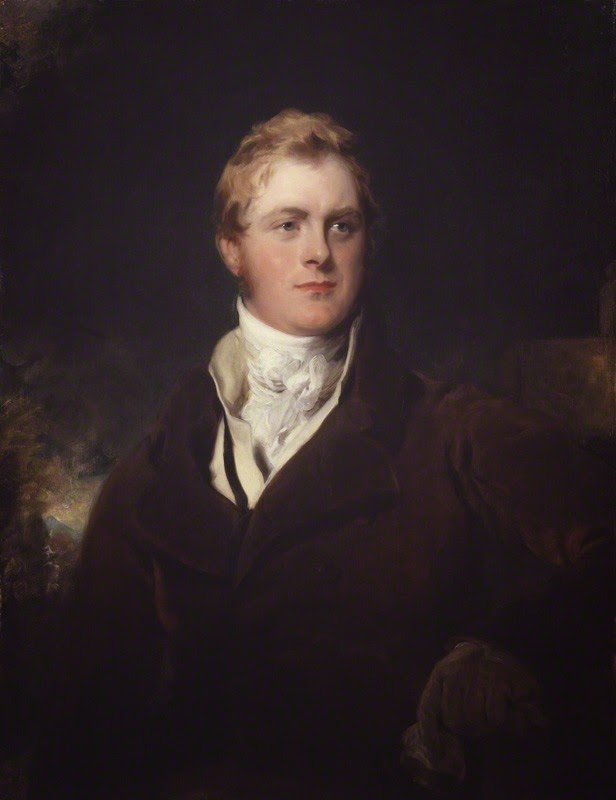
Frederick John Robinson,  1st Earl of Ripon, by Sir Thomas Lawrence  oil on canvas (c1824) © NPG 4875
Frederick John Robinson,
1st Earl of Ripon, by Sir Thomas Lawrence
oil on canvas (c1824) © NPG 4875 (1)
Arthur Wellesley, 1st Duke of Wellington
Tory – 1828-30

Arthur Wellesley, 1st Duke of Wellington  by Robert Home oil on canvas (1804)  © NPG 1471 (1)
Arthur Wellesley, 1st Duke of Wellington
by Robert Home oil on canvas (1804)
© NPG 1471 (1)
Notes
(1) These pictures are © National Portrait Gallery and are displayed under a Creative Commons licence.
(2) Source details of pictures in collage: Lord Liverpool, from the European Magazine and London Review (1818); George Canning and Viscount Goderich from The Georgian Era by Clarke (1832); Duke of Wellington from Life of the Field Marshal, his Grace the Duke of Wellington by James Edward Alexander (1840).

Sources used include:
Government website - past Prime Ministers
National Portrait Gallery website

Tuesday, 28 April 2015

The Prime Ministers of George III (1760-1820)

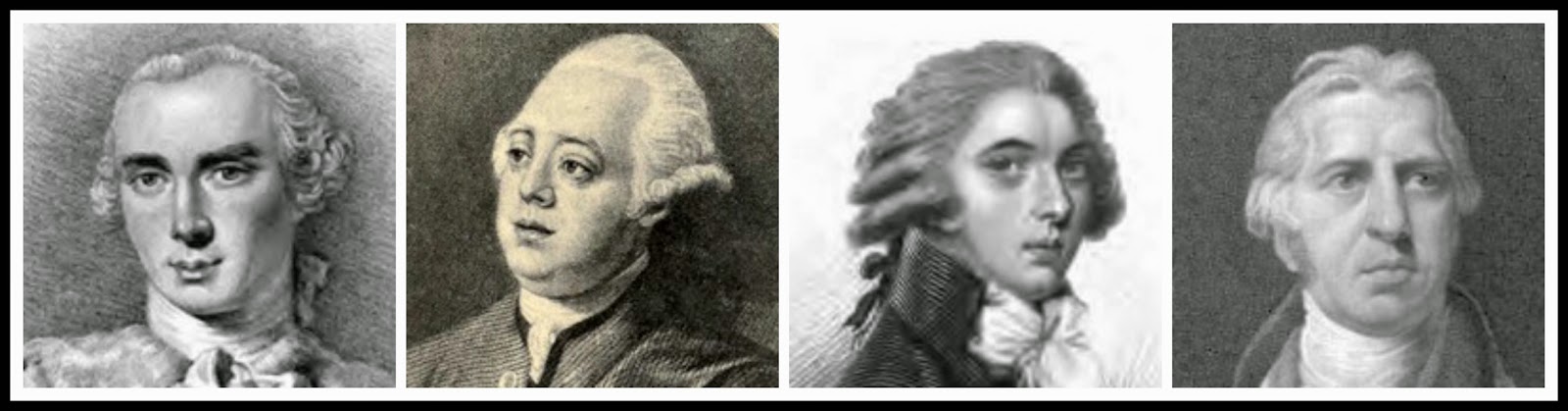
4 Prime Ministers of George III  From left to right: Lord Bute, Lord North,William Pitt the Younger, Lord Liverpoo
Four of the Prime Ministers of George III
Left to right: Lord Bute, Lord North,William Pitt the Younger, Lord Liverpool (2)
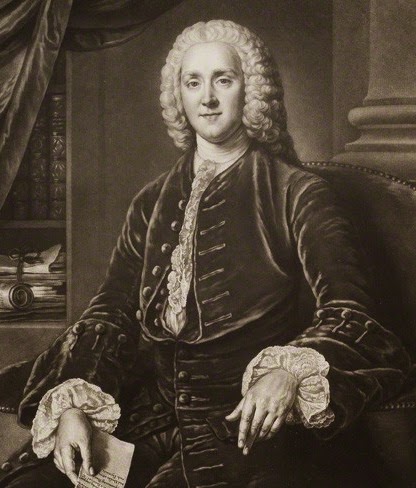
George III is still the longest reigning British King, ruling from 1760 to 1820. He had 14 different Prime Ministers over those 60 years—six Tories and eight Whigs. They included two pairs of fathers and sons: William Pitt the Elder and his son William Pitt the Younger, and George Grenville and his son William Wyndham Grenville. They also included the only British Prime Minister ever to be assassinated—Spencer Perceval.

Find my guides to the Prime Ministers of George IV here and William IV here.

George III's Prime Ministers

Thomas Pelham-Holles, 1st Duke of Newcastle
Whig – 1757-1762

Thomas Pelham-Holles,  1st Duke of Newcastle-under-Lyne  by William Hoare (c1752) © NPG 757 (1)
Thomas Pelham-Holles,
1st Duke of Newcastle-under-Lyne
Pastel by William Hoare (c1752)
© NPG 757 (1)
John Stuart, 3rd Earl of Bute
Tory – 1762-1763

Lord Bute from The Historical and Posthumous Memoirs of Sir Nathaniel Wraxall (1884)
Lord Bute from The Historical and Posthumous
Memoirs of Sir Nathaniel Wraxall (1884)
George Grenville
Whig – 1763-1765

George Grenville  by and published by Richard Houston  after William Hoare mezzotint (c1750-75)  © NPG D20047 (cropped) (1)
George Grenville
by and published by Richard Houston
after William Hoare mezzotint (c1750-75)
© NPG D20047 (cropped) (1)
Charles Watson-Wentworth, 2nd Marquess of Rockingham
Whig – 1765-1766

Charles Watson-Wentworth,2nd Marquess  of Rockingham after Sir Joshua Reynolds,  oil on canvas, feigned oval (c1768)  © NPG 406 (1)
Charles Watson-Wentworth, 2nd Marquess
of Rockingham, after Sir Joshua Reynolds,
oil on canvas, feigned oval (c1768)
© NPG 406 (1)
William Pitt the Elder, 1st Earl of Chatham
Whig – 1766-1768

William Pitt, 1st Earl of Chatham,  studio of William Hoare, oil on canvas (c1754)  © NPG 1050 (1)
William Pitt, 1st Earl of Chatham,
studio of William Hoare, oil on canvas (c1754)
© NPG 1050 (1)
Augustus Henry Fitzroy, 3rd Duke of Grafton
Whig – 1768-1770

Augustus Henry Fitzroy, 3rd Duke of Grafton,  by Pompeo Batoni, oil on canvas,   feigned oval (1762) © NPG 4899
Augustus Henry Fitzroy, 3rd Duke of Grafton,
by Pompeo Batoni, oil on canvas,
feigned oval (1762) © NPG 4899 (1)
Lord Frederick North, 2nd Earl of Guildford
Tory – 1770-1782

Frederick, Lord North,  from The Last Journals of Horace Walpole (1910)
Frederick, Lord North,
from The Last Journals of Horace Walpole (1910)
Charles Watson-Wentworth, 2nd Marquess of Rockingham
Whig – 1782 (2nd term of office)

Charles Watson-Wentworth, 2nd Marquess  of Rockingham, after Sir Joshua Reynolds,  oil on canvas, feigned oval (c1768)  © NPG 406 (1)
Charles Watson-Wentworth,
2nd Marquess of Rockingham
(Details as above)
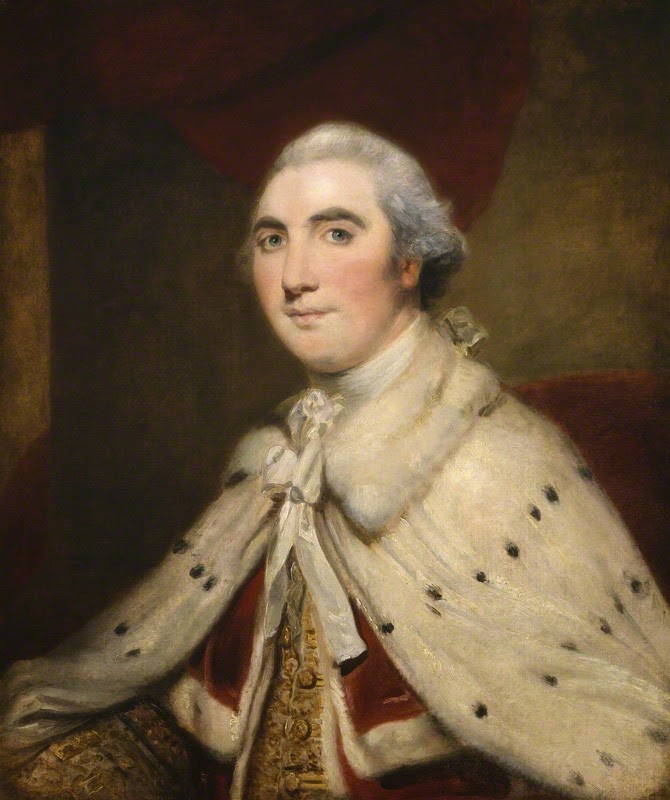
William Petty, 1st Marquess of Lansdowne (Lord Shelburne)
Whig – 1782-1783

William Petty, 1st Marquess of Lansdowne,  (Lord Shelburne) after Sir Joshua Reynolds  oil on canvas 1766 © NPG43 (1)
William Petty, 1st Marquess of Lansdowne,
(Lord Shelburne) after Sir Joshua Reynolds
oil on canvas (1766) © NPG 43 (1)
William Henry Cavendish Bentinck, 3rd Duke of Portland
Whig – 1783

William Henry Cavendish Bentinck,   3rd Duke of Portland, by William Evans   after Sir Joshua Reynolds, stipple engraving  pub 1811 ©NPG D31637 (Cropped & lightened) (1)
William Henry Cavendish Bentinck,
3rd Duke of Portland, by William Evans
after Sir Joshua Reynolds, stipple engraving
pub 1811 ©NPG D31637 (Cropped & lightened) (1)
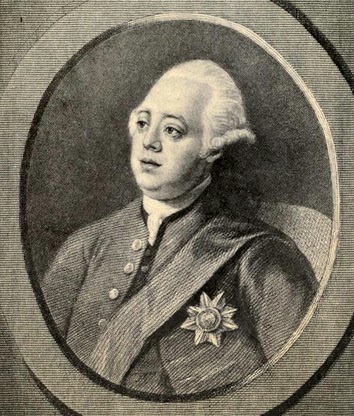
William Pitt the Younger 
Tory – 1783-1801

William Pitt the Younger from Posthumous Memoirs of his own time by N Wraxall (1836)
William Pitt the Younger
from Posthumous Memoirs of his own time
by N Wraxall (1836)
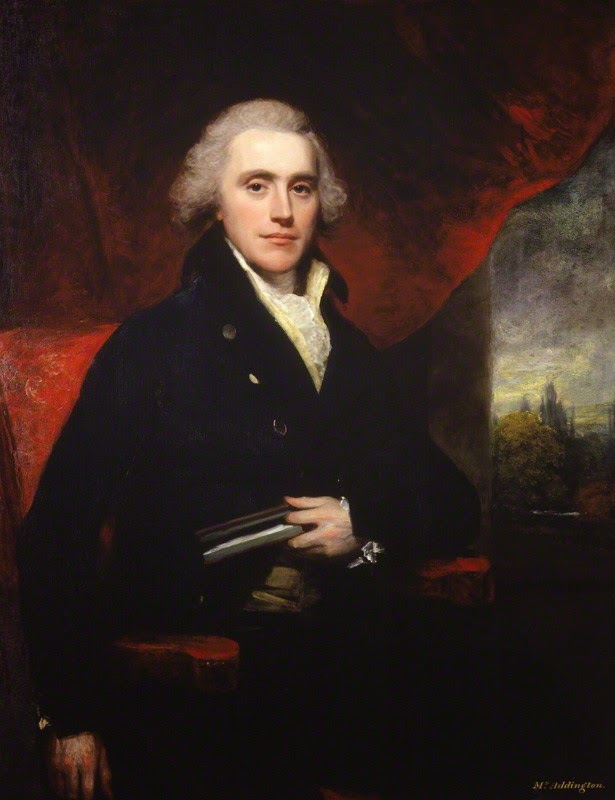
Henry Addington, 1st Viscount Sidmouth 
Tory – 1801-1804

Henry Addington, 1st Viscount Sidmouth  by Sir William Beechey, oil on canvas  engraved 1803 © NPG 5774 (1)
Henry Addington, 1st Viscount Sidmouth
by Sir William Beechey, oil on canvas
engraved 1803 © NPG 5774 (1)
William Pitt the Younger 
Tory – 1804-1806 (2nd term of office)

William Pitt the Younger from Posthumous Memoirs of his own time by N Wraxall (1836)
William Pitt the Younger
(details as above)
William Wyndham Grenville, 1st Baron Grenville
Whig – 1806-1807

William Wyndham Grenville,  1st Baron Grenville by John Hoppner  oil on canvas (c1800)  © NPG318 (lightened) (1)
William Wyndham Grenville,
1st Baron Grenville by John Hoppner
oil on canvas (c1800)
© NPG 318 (1)
William Henry Cavendish Bentinck, 3rd Duke of Portland
Whig – 1807-1809 (2nd term of office)

William Henry Cavendish Bentinck,  3rd Duke of Portland, by William Evans  after Sir Joshua Reynolds, stipple engraving  pub 1811 ©NPG D31637 (Cropped & lightened) (1)
William Bentinck, 3rd Duke
of Portland (details as above)
Spencer Perceval
Tory – 1809-1812

Spencer Perceval,  from The Life and Administration of the Right Hon Spencer Perceval  by Charles Williams (1813)
Spencer Perceval,
from The Life and Administration
of the Right Hon Spencer Perceval

by Charles Williams (1813)
Read about Spencer Perceval's assassination here. 

Robert Banks Jenkinson, 2nd Earl of Liverpool 
Tory – 1812-1827

Lord Liverpool, from the   European Magazine and London Review (1818)
Lord Liverpool, from the 
European Magazine and London Review (1818)
Notes
(1) These pictures are © National Portrait Gallery and are displayed under a Creative Commons licence.
(2) For source details of pictures in collage, see under the relevant Prime Minister above.

Sources used include:
Government website - past Prime Ministers
National Portrait Gallery website

Tuesday, 21 April 2015

The Whigs and the Tories

The House of Commons from The Microcosm of London (1808-10)

Georgian politics

With the UK’s General Election on 7 May fast approaching, politics is an inescapable topic of conversation. I have found it equally impossible to research the leading figures of late Georgian society without coming up against the dreaded subject. 

During the Georgian period, there were two main political parties: the Whigs and the Tories. Georgiana Cavendish, Duchess of Devonshire, her sister Lady Bessborough, actress Mary Robinson, Lady Melbourne and the sculptor Anne Seymour Damer were all ardent supporters of the Whigs. On the other side, the Duchess of Gordon was a leading political hostess for the Tories.


Political ladies collage © Rachel Knowles
Political ladies collage © Rachel Knowles1
Top left: Jane, Duchess of Gordon;
Top right : Georgiana Cavendish, Duchess of Devonshire;
Right middle: Henrietta Ponsonby, Countess of Bessborough;
Bottom row, left to right: Mary Robinson;
Elizabeth Lamb, Viscountess Melbourne; Anne Seymour Damer

The Whigs and the Tories

The names of the two parties derive from the late 17th century when there were two political factions, one supporting James, Duke of York, the future James II, and the other wanting him to be excluded from the succession because of his Catholicism. Both names originated as terms of abuse used by their opponents. The exclusionists were nicknamed Whiggamores or Whigs, likening them to the Scottish Presbyterians who had rebelled against the established church; the anti-exclusionists were called Tories, a name given to Catholic highwaymen and robbers in Ireland.

What is a Whig?

The fundamental belief of the Whigs was that political power belonged to the people and that the monarch was only in power because of an unwritten contract with the people: if the monarch abused that authority, then the people were empowered to remove them. They believed that Dissenters should be tolerated and were in favour of economic and political reform.

The Whigs supported the Glorious Revolution of 1688, establishing the Protestant William III and Mary on the throne in place of the Catholic James II. The Whigs were typically the landed aristocracy and the wealthy middle class who used their patronage to secure positions of power for their representatives. They used their influence to ensure the establishment of the Hanoverian succession in 1714.

Houses of Lords and Commons  from Leigh's New Picture of London (1827)
Houses of Lords and Commons
from Leigh's New Picture of London (1827)
What is a Tory?

The Tories supported the monarchy and the existing state of affairs. They were in favour of the established church and against religious toleration and foreign entanglements.

Tory support for the Catholic James II and his descendants led to them being branded as Jacobites and they were kept out of government until 1762.

Fox and Pitt

During the early part of George III’s reign, it would appear that the two parties were ill-defined and the government was formed more from the King’s friends than from any particular political persuasion.

In the following decades, the two parties became more established. William Pitt the Younger became Prime Minister for the Tories in 1783 and Charles James Fox led the Opposition. Fox’s new Whig party represented religious dissenters, industrialists and those in favour of reform.

Left: Charles James Fox from The Historical and Posthumous Memoirs   of Sir Nathaniel Wraxall (1884)  Right: William Pitt the Younger fromMemoirs of George IV by R Huish (1830)
Left: Charles James Fox from The Historical and Posthumous Memoirs 
of Sir Nathaniel Wraxall (1884)
Right: William Pitt the Younger from Memoirs of George IV by R Huish (1830)

George, Prince of Wales, the future George IV, did not get on well with his father and unsurprisingly supported Fox and the Whigs. The Prince became a close personal friend of Fox who led a dissolute life and was renowned for his drinking, gambling and womanising. George III disliked Fox and blamed him for leading his eldest son astray.

The Regency crisis

In late 1788, George III suffered from his first serious bout of mental instability. It seemed likely that the Prince would be made Regent to rule in his father’s stead and form a government from his Whig friends including Fox, Charles Grey and Richard Brinsley Sheridan. However, in February 1789, the King recovered and Pitt’s Tory government continued.

George IV by Sir Thomas Lawrence  © National Portrait Gallery Photo © Andrew Knowles
George IV by Sir Thomas Lawrence
© National Portrait Gallery Photo © Andrew Knowles
The Foxite Whigs

The French Revolution brought a fresh crisis to the Whigs, splitting the party over attitudes towards the revolution. The radicals under Charles James Fox supported the revolutionaries whilst the more moderate Whigs under Edmund Burke condemned the revolution and defected to join Pitt’s Tory government after the violence of 1794. The small number of Foxite Whigs who remained was little more than a political pressure group.

The end of the Whigs

Ironically, both Pitt and his rival Fox died in 1806, depriving the Whigs and the Tories of their strongest leaders in the same year.

By the time that the Prince of Wales finally became Regent in 1811, he had abandoned his Whig friends—all his Prime Ministers were Tories.

By the middle of the 19th century, the two parties were changing. The last Whig Prime Minister resigned in 1866 and the Whigs were absorbed into the new Liberal party; the Tories were renamed, formally at least, as the Conservatives.

Headshot of Rachel Knowles author with sea in background(2021)
Rachel Knowles writes clean/Christian historical romance set in the time of Jane Austen. She has been sharing her research on this blog since 2011. Rachel lives in the beautiful Georgian seaside town of Weymouth, Dorset, on the south coast of England, with her husband, Andrew.

Find out more about Rachel's books and sign up for her newsletter here.

If you have enjoyed this blog and want to encourage me and help me to keep making my research freely available, please buy me a virtual cup of coffee by clicking the button below.

 
Notes
(1) The sources of the pictures in the collage:
Duchess of Richmond - from La Belle Assemblée (1808)
Duchess of Devonshire - after Thomas Gainsborough c1785-7 from The Two Duchesses, Family Correspondence (1898)
Countess of Bessborough - from La Belle Assemblée (1810)
Viscountess Melbourne - from In Whig Society, correspondence, ed by Mabell, Countess of Airlie (1921)
Mary Robinson - from The Poetical Works of the late Mrs Mary Robinson (1806)
Anne Seymour Damer - from La Belle Assemblée (1810)

Sources
A Dictionary of British History (OxfordReference.com) OUP 2013
Ackermann, Rudolph, and Pyne, William Henry, The Microcosm of London or London in miniature Volume 1 (Rudolph Ackermann 1808-1810, reprinted 1904)
Mitchell, LG, Fox, Charles James (1749-1806), Oxford Dictionary of National Biography (Oxford University Press, 2004; online edn Oct 2007, accessed 2 July 2013)

UK Parliament website

Wednesday, 8 May 2013

Jane Gordon, Duchess of Gordon (c1748-1812)

Jane, Duchess of Gordon
from NW Wraxall's Posthumous memoirs (1836)

Family background

Jane Maxwell was born in Edinburgh in about 1748(1), the daughter of Sir William Maxwell, 3rd Baronet of Monreith(2), and his wife Magdalene.

As a girl, she lived in Hyndford’s Close, Edinburgh, with her mother and sisters. She was somewhat wild and reportedly rode down Edinburgh High Street on the back of a pig.

“The Flower of Galloway”

Jane was an extremely beautiful girl and the song, “Jenny of Monreith”(2) was written in honour of her charms, which also earned her the sobriquet, “The Flower of Galloway”.

She had a lively wit and seemingly limitless energy, but her tendency to speak her mind did not always ingratiate her to others.

An illustrious marriage

Alexander, 4th Duke of Gordon
from The Gordon Book (1902)
On 23 October 1767(3), Jane married Alexander Gordon, 4th Duke of Gordon, in Edinburgh. They had seven children: Charlotte (1768), George (1770), Madeleine (1772), Susan (1774), Louisa (1776), Georgiana (1781) and Alexander (1785).

Sadly, the marriage was not a happy one and the couple became permanently estranged. The Duke had a long-term mistress, Jane Christie, whom he married after Jane’s death. After their separation, Jane lived at Kinrara, a house on the River Spey in Inverness-shire.

Scottish society leader

Jane was a leading figure in Edinburgh society and entertained on a grand scale, first at Gordon Castle, and later at Kinrara.

She was a patron of the Northern Meeting, established in 1788 to promote social intercourse in the Highlands, and sponsored the Scottish poet, Robert Burns.

Robert Burns
from The Complete Works of Robert Burns (1865)
Agricultural reformer

Jane took an active interest in the management of the Gordon estates in Badenoch and Strathspey. She was a proponent of agricultural reform and introduced the growing of flax and the industry of linen manufacture, establishing a lint mill in Kingussie.

Political hostess

Jane was very ambitious and sought to become for the Tory party what Georgiana, Duchess of Devonshire, was for the Whigs. She became a leading political hostess and held lavish assemblies at her Pall Mall home in London.

She was a devoted supporter of William Pitt and was intimate with both him and his best friend and closest advisor, Henry Dundas, who was reputedly also her lover. Sometimes she attended the House of Commons to hear a debate and even acted as a “whipper-in” of ministers.

William Pitt
from Memoirs of George IV
by Robert Huish (1830)
The Duchess of Devonshire’s rival

Nathaniel Wraxall described her as: “Far inferior to her rival [Georgiana, Duchess of Devonshire] in feminine graces, in accomplishments of the mind, and in elegance of manners, the last-mentioned duchess [Jane, Duchess of Gordon] possessed qualities not less useful, - pertinacity which no obstacles could shake, masculine importunity, emancipation from ordinary forms, - propelled by the hope of place, and by views of interest.”(4)
Georgiana, Duchess of Devonshire
from NW Wraxall's
Posthumous memoirs (1836)
But some saw her in a less favourable light. Lady Mary Coke wrote in 1787: “It will not be the first time that a man of great understanding [William Pitt] has been the dupe of a designing woman.”

She continued: “The Duchess of Gordon resembles my Lady Bristol [Lady Elizabeth Foster’s mother], is like her in person, manner, contrivances, and like her, scruples nothing to gain her end, such a person must always be dangerous.”(5)

Fashion leader

In 1808, La Belle AssemblĂ©e declared: “It would be impossible to select any living female character who has made a more distinguished figure in the fashionable world than the Duchess of Gordon.”
Jane, Duchess of Gordon
from La Belle Assemblée (1808)
Jane was not as successful as the Duchess of Devonshire at setting fashion, but she did make tartan popular in 1791 after she wore a Gordon tartan dress to a Drawing Room. Horace Walpole called her “one of the Empresses of Fashion”(6).

She introduced Scottish dancing to the ton. Nathaniel Wraxall wrote: “She first introduced the custom of dancing at routs, an agreeable innovation on the interminable carding, and moreover, with patriotic zeal, she introduced Scotch dancing, till then unheard of in the fashionable world.”(4)

The Gordon Highlanders

In 1794, Jane helped to recruit soldiers for a new infantry regiment to join the war against France - the 100th Highlanders. Dressed in a military uniform and wearing a large black feathered hat, Jane toured the Duke’s lands, offering the King’s shilling – the payment for joining up – from between her lips. The regiment was renumbered the 92nd in 1798.

Family ambitions

Jane’s ambitions were not just political. She was extremely proud of the marriages she arranged for her five daughters whose husbands included three dukes and a marquis. Charlotte married Colonel Charles Lennox, later 4th Duke of Richmond; Madeleine married Sir Robert Sinclair, 7th Baronet and then Charles Fysche Palmer; Susan married William Montagu, 5th Duke of Manchester; Louisa married Lord Brome, later Marquis Cornwallis; and Georgiana married John Russell, 6th Duke of Bedford.

Charlotte Lennox,
Duchess of Richmond
from La Belle Assemblée (1807)
Death

Jane died on 14 April 1812(7) at the Pulteney Hotel in London and was buried at Kinrara on 11 May.

Notes
(1) I have found inconsistent details for Jane’s birth and different sources give various dates and places. She was born between 1748 and 1750, probably in Edinburgh, but possibly in Monreith.
(2) Sometimes referred to as Monteith.
(3) The date of Jane's wedding varies across different sources: 18 October (La Belle Assemblée; Debrett's Complete Peerage), 23 October (Oxford Dictionary of National Biography) and 28 October (An autobiographical chapter in the life of Jane, Duchess of Gordon).
(4) From Wraxall's Posthumous memoirs of his own time (1836).
(5) From Amanda Foreman's Georgiana, Duchess of Devonshire.
(6) In a letter by Horace Walpole to Miss Berry in 1791 recorded in Three generations of fascinating women.
(7) The date of Jane's death is sometimes recorded as 11 April (Debrett's Complete Peerage; Three generations of fascinating women).

Sources used include:
Bell, John, La Belle Assemblée (1807-8)
Bulloch, John Malcolm, editor, The Gordon Book (1902)
Courthope, William, editor, Debrett's Complete Peerage of the United Kingdom of Great Britain and Ireland (1838)
Foreman, Amanda, Georgiana, Duchess of Devonshire (HarperCollins, 1998, London)
Gordon, Jane, Duchess of, An autobiographical chapter in the life of Jane, Duchess of Gordon (1864)
Lodge, Christine, Gordon, Jane, Duchess of Gordon (1748/9-1812) Oxford Dictionary of National Biography (Oxford University Press, 2004; online edn Oct 2007, accessed 8 Apr 2013)
Russell, Lady, Three generations of fascinating women and other sketches from family history (1905)
Wraxall, Sir Nathaniel William, Posthumous memoirs of his own time (1836)